


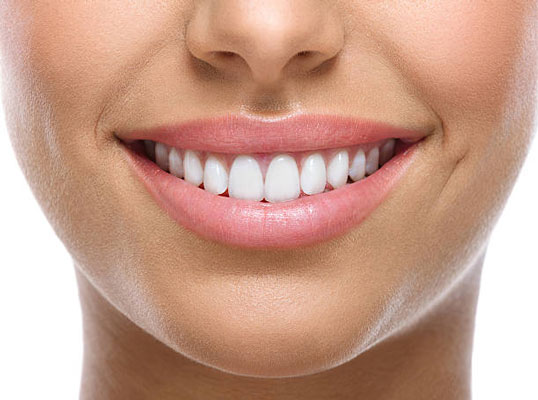
I watched a colleague cover her mouth with her hand during a video call for two full years. She ran the meeting. She had the best ideas in the room. And every single time she smiled, her fingers went up. Nobody mentioned it. That is the quiet cost of a smile you do not trust: it does not show up on your calendar or your performance review, but it drains a slice of your presence every single day.
If that sounds familiar, you already know the goal is not cosmetic perfection. It is the ability to laugh in a meeting, order lunch without thinking about it, and grin in a photograph your company posts on LinkedIn without bracing for it. Most people stall because they assume the fix means a year of metal brackets and uncomfortable conversations. It does not. You can discover kelowna invisalign options for your smile and learn what your schedule can actually tolerate before you commit to anything.
Here is what this piece covers: how a smile you are self-conscious about shows up in professional settings, why clear aligners became the default adult route, the trade-offs nobody mentions, and a simple way to decide whether this is your year or not. No hype. Just the parts that actually matter when you are balancing meetings, clients, and a full calendar.
What a Nervous Smile Actually Costs You
Researchers have spent decades looking at how people read faces, and the pattern is consistent: a relaxed smile gets interpreted as warmth and approachability, while a guarded one reads as distance. According to the National Institutes of Health, facial expressions carry real weight in how we form first impressions, and that signal fires fast, before you have said a word.

Think about where that lands in a workday. The hand over the mouth on a video call. The half-laugh you cut short. The head tilt that hides your teeth in your company headshot. Each one is tiny. Stack them across a week, and you have a pattern of small retreats that nobody names, but everyone feels. I would argue this is the single most underrated reason adults finally book a consult.
Your smile is also the first thing people process in a photo, a handshake, or a job interview. You cannot opt out of that moment. You can only decide whether you walk into it with your face relaxed or braced.
Why Clear Aligners Became the Adult Default
Traditional braces are not suddenly bad. They work, they are predictable, and in some cases they are still the better tool. But the trade-off has shifted. Metal brackets are visible; they trap food, and they come with a list of foods you have to give up. For an adult juggling client lunches and coffee meetings, those small frictions add up faster than people expect.
Clear aligners flipped the calculus. They are removable; you can eat what you want, and nobody at the table can tell you are wearing them. The technology has also caught up: cases that would have been out of reach a decade ago are now routine for an experienced orthodontic team. That is why the adult share of orthodontic patients has climbed steadily.
According to the U.S. Census Bureau, adults now make up a much larger portion of the overall population than they did a generation ago, and more of them are investing in treatments they postponed in their twenties. That is not a coincidence. The average adult has more meetings, more photos, and more client-facing moments than they did at 22.
The Trade-Offs Nobody Mentions
I would pick clear aligners over metal brackets for most adult cases, but I will not pretend the path is friction-free. Here is the honest version.

You have to wear them. Not most of the time. Nearly all of the time, apart from eating and brushing. Miss the hours and the plan stretches out. That is not a sales pitch; it is just the mechanics.
You will also have a small adjustment window. Mild pressure, occasional sensitivity, a few days of talking slightly differently. Most people forget it within a week. But if you are scheduled to give a big presentation on day two, you will notice.
The rest is easier than you think. Cleaning takes seconds. There is no food list to memorize. You can drink cold water without thinking, which sounds trivial until you have watched someone with braces negotiate a straw for a year.
A Five-Minute Test for Whether This Is Your Year
You do not need a spreadsheet to figure this out. Walk through these questions honestly. If three or more land, it is worth booking a real consult instead of another year of talking about it.
- Can you name the last time you laughed out loud in a photo without covering your mouth?
- Have you ever held back a joke, a smile, or a laugh because of your teeth?
- Do you find yourself cropping your own face out of group shots?
- Is your smile the first thing you would change in a profile photo, ahead of your hair or your clothes?
- Do you avoid certain foods on client dinners because you are already negotiating your own mouth?
If those land, you are not being vain. You are describing a small tax you have been paying quietly for a while. I have never met someone who regretted fixing that tax. I have met plenty who wished they had started sooner.

How to Compare Your Options Without Getting Sold To
When you sit down with an orthodontist, do not lead with the brand name. Lead with your calendar and your constraints. Here is the order I would use.
- Ask what is actually correctable for your case. Not everyone is a candidate, and an honest provider will tell you so before taking money.
- Ask how many hours a day you realistically need to wear them. Then compare that to your actual schedule, not the schedule you wish you had.
- Ask what happens if you fall behind. Life happens. The answer tells you how flexible the team is.
- Ask about the full cost, not the monthly figure. Retainers, refinements, and follow-up visits all belong in the conversation.
- Ask about the shortest honest timeline. Anyone promising a fast fix without seeing your teeth is guessing.
For context on overall labor conditions and what working adults now deal with on a weekly basis, the U.S. Department of Labor tracks how many hours American workers spend in jobs that put them on camera or in front of clients. The number is not shrinking. Neither is the impression your smile makes in those settings.
One more thing. Ask to see before-and-after images from real patients, not stock photos. Look for cases that resemble your own, not the perfect ones. That is the single most useful five minutes in the whole consult.
The Small Thing That Compounds
A smile you trust is not a vanity project. It is a piece of infrastructure. It changes how you show up in interviews, on first dates, in front of clients, and in the group photo at your kid’s birthday party. You do not notice it when it is working. You feel it every single day when it is not.
The good news is that the fix is more accessible and less disruptive than the version stuck in your head from a decade ago. The bad news is that none of it starts until you make the call. The other option is another year of hand-over-mouth on every video call. Only one of those gets you anywhere.
What would change for you if you never thought about your smile again?