

Timely roof diagnostics and scheduled shingle inspections safeguard residential structures from compounding water intrusion and unexpected seasonal repairs.
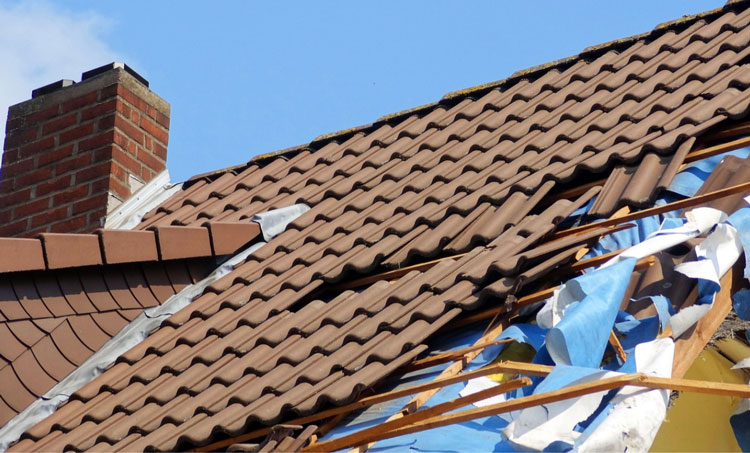
Severe storms and rapid temperature swings test the boundary between your comfortable living room and harsh weather outside. Changing weather patterns and constant thermal cycling wear down shingles, underlayment, and flashing long before you notice water dripping from your ceiling.
Taking control of your home maintenance through planned inspections stops small structural weaknesses from turning into catastrophic water intrusion. A proactive diagnostic routine keeps your roof intact and protects your property equity year after year.
Why do seasonal shifts wear down your exterior roof envelope?
Shingles take a relentless beating every time seasons collide. Intense summer sun bakes asphalt layers, while sudden autumn cold snaps force materials to shrink rapidly. This relentless expansion and contraction fractures delicate seals around fasteners, loosens protective coatings, and leaves microscopic openings for driven rain.
Ignoring these early environmental stresses invites massive financial surprises when winter arrives. Reporting from Independent Agent Magazine highlights that typical home roof replacements hit $17,631 in 2025, with standard repair bills climbing past $4,699 after substantial multi-year price jumps. You preserve substantial capital simply by identifying subtle exterior wear before heavy rains exploit exposed decking.

How do you identify hidden roof deterioration early?
Most homeowners only spot damage after water discolors their bedroom drywall. Catching issues early requires you to watch for discrete warning signs long before ceiling stains appear. Asphalt shingles lose protective mineral granules across seasonal cycles, exposing raw bitumen beneath to harmful ultraviolet light and severe brittleness.
Check your gutters regularly after heavy cloudbursts to spot excessive mineral sediment buildup. Shingle edges that curl upward or display thin surface cracks signal advanced drying and loss of flexibility. Water easily sneaks under these brittle tabs during wind-driven storms, soaking the underlayment underneath.
What causes flashing and plumbing boot failures?
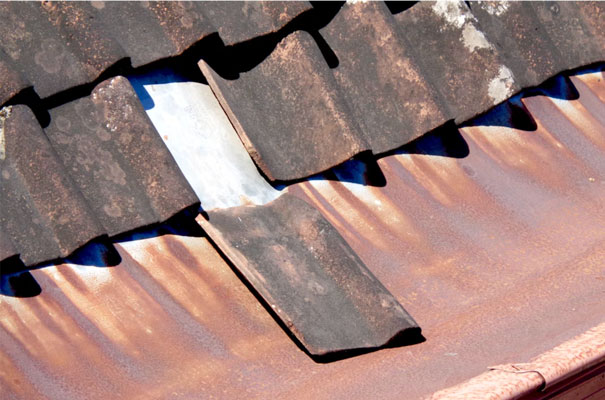
Flashing around chimneys, skylights, and side walls shields your most vulnerable roof junctions. Metal components expand at different rates than surrounding asphalt, which gradually loosens the protective sealants securing them.
Key inspection zones to review
Plumbing vents penetrate your roof deck and rely on flexible rubber collars to stop leaks. Sun exposure oxidizes and splits this rubber, creating direct channels for rainwater into your attic framing. Review these vulnerable spots during your walk-around:
- Examine neoprene pipe collars: Inspect rubber boots around plumbing stacks for dry rot, deep cracks, or detached ring collars.
- Scan valley metal flashing: Look for lifted seams, loose roofing cement, and rust spots along valleys where heavy runoff concentrates.
- Inspect step flashing joints: Verify that metal cards along exterior walls remain tightly tucked beneath siding panels.
What steps secure your contractor selection process?
Hiring a qualified expert keeps your home safe from careless repairs and substandard materials. Trusted contractors carry active general liability insurance and provide clear proof of state licensing before stepping onto your property. They inspect the entire roofing structure rather than offering quick surface fixes that mask deeper structural decay.

Finding a reputable team shields your household budget from shoddy installation practices and premature system failure. As explained by the Valiant Roofing team, dedicated specialists perform thorough diagnostics across shingles, flashings, and decking to catch subtle weaknesses before winter storms strike. You should always demand verifiable local references and confirm manufacturer certifications before authorizing any structural work.
Reputable contractors supply comprehensive written estimates detailing material grades, cleanup protocols, and precise warranty terms. They welcome your detailed questions regarding installation practices and ventilation balance. Transparent communication protects your property investment and guarantees quality craftsmanship from start to finish.
Why does balanced attic ventilation protect shingle performance?
Many property owners focus solely on exterior shingles while ignoring the climate dynamics inside their attic space. Poor attic air exchange turns the upper story into an oven that fries shingles from below. Heat build-up causes volatile compounds inside the asphalt to evaporate prematurely, resulting in unsightly shingle blistering and granule shedding.
Balanced airflow requires continuous circulation between lower soffit intakes and upper ridge exhaust vents. Cooler ambient air enters through clear soffit grates, rises as it warms, and exits smoothly along the ridge peak. This passive cycle expels excess humidity during cold months and drops roof deck temperatures throughout blistering summer days.
Moisture accumulation poses just as much danger as excessive heat. Winter cooking, showers, and laundry push warm vapor upward into unfinished roof cavities. Without proper exhaust pathways, this moisture condenses against cold plywood sheathing, rotting structural rafters and ruining fiberglass insulation.
What makes proactive maintenance cheaper than emergency restoration?
Waiting for visible indoor leaks before calling a professional invites severe financial headaches. Water travels along rafters and wiring, often emerging dozens of feet away from the initial puncture. By the time you notice peeling paint or damp carpets, internal wood rot and hidden mold colonies have already spread through interior walls.
Routine maintenance keeps repair costs predictable and manageable. Data compiled by Verisk reveals that roofs in moderate to poor condition suffer approximately 60 percent higher claim losses compared to properties maintained in sound physical shape. Investing in minor seal repairs today prevents massive insurance deductibles and keeps policy premiums stable.
Scheduled checkups create documented maintenance records that substantiate future property value. Potential buyers request recent inspection reports during contract negotiations, and solid proof of regular care gives you strong bargaining power. Proactive stewardship protects your balance sheet while giving you total peace of mind through every season.
How should you schedule seasonal roof reviews?
Establishing a reliable maintenance calendar prevents weather surprises from catching you unprepared. You should schedule comprehensive inspections twice a year, pairing visits with natural seasonal transitions. Spring reviews identify winter freeze-thaw trauma, while autumn assessments ready your roof envelope for freezing rain and heavy snowfall.
What should your seasonal checklist include?
Walking your grounds with binoculars helps you catalog surface flaws without risking ladder accidents. Documenting anomalies allows your professional inspector to target suspect areas quickly. Integrate these key habits into your annual home care routine:
- Clear drainage pathways: Remove wet leaf buildup and twigs from gutters so melting snow drains freely off your roofline.
- Trim overhang branches: Cut back heavy tree limbs hovering within 10 feet of your shingles to prevent wind-scraped granules.
- Inspect roof penetrations: Verify that metal chimney caps and plumbing flashings remain firmly anchored against heavy winds.
- Document visual shifts: Photograph sagging roof planes or discolored shingle clusters to monitor changes across spring and fall.
Taking proactive steps with your seasonal roof maintenance shields your home from catastrophic water damage and sudden financial stress. Scheduling timely diagnostics, watching for subtle material breakdown, and working with verified roofing specialists preserve your building envelope through every storm cycle. Make roof evaluations a non-negotiable part of your annual homeownership playbook to secure your property equity for decades ahead.