

Complex rail transfers become much easier when every part of the layover has a clear purpose. A workable plan covers more than train times. It accounts for station layouts, luggage, meals, rest, and the possibility that a delayed service will shorten the connection.
Before leaving, save your tickets to your phone and take screenshots in case the station has weak reception. Check where each train arrives and departs, then decide what you’ll do with any time between services. These simple habits reduce the number of decisions you need to make while tired or surrounded by crowds.

Why Intercity Layovers Feel Exhausting
A rail layover can drain your energy even when you spend most of it sitting. You’re monitoring departure boards, listening for announcements, and keeping track of your belongings while working out where to go next. That steady mental workload helps explain why an hour in a station can feel more tiring than an hour on the train.
Physical factors add to the strain. Large stations may require long walks between platforms, and finding elevators or accessible routes can take extra time. Noise, bright lighting, and limited seating also make it difficult to relax. Advice on managing travel fatigue often emphasizes hydration, light movement, and proper meals, all of which apply to rail travel too.
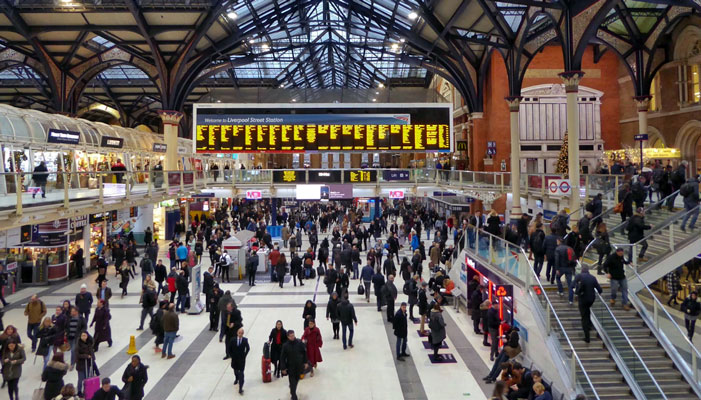
Build a transfer buffer that suits the station and your circumstances. A 15-minute connection may work at a small stop where platforms sit next to each other. At a major terminal, 45 to 60 minutes gives you more room for delays, restroom lines, and platform changes. Add further time if you’re traveling with children, assisting someone with limited mobility, or carrying several bags.
Use the first few minutes after arrival to confirm the next departure. Once that’s settled, find a quieter waiting area and set an alarm for 15 minutes before boarding begins. You’ll stay aware of the time without checking the clock every two minutes.
Navigating Busy Stations Hands-Free
Carrying every bag through a packed terminal makes signs harder to read and simple tasks more awkward. Your hands are occupied when you need to open a ticket, check a map, or hold a railing. If the layover lasts several hours, storing larger items can turn waiting time into useful time.

This option is especially practical when a transfer involves changing London stations or when you want to leave the terminal for lunch. Travelers passing through the area can reserve Euston bag storage with trusted local partners, then collect their belongings before the next service. Leave enough time for both drop-off and pickup, and check the location’s operating hours before confirming a booking.
If you keep your luggage with you, arrange it so one hand remains free. A backpack with both straps secured is easier to control than several small shoulder bags. Put coats inside the main bag when possible since loose clothing can catch on handles and barriers.
Study the station map before arriving, particularly if you’ll need an elevator, taxi stand, or connecting transit line. Practical guidance for major transit hubs also recommends identifying key facilities early instead of searching after the crowd starts moving. Once inside, stop beside a wall or in a designated waiting space to check directions. Avoid pausing at the top of escalators or in the center of a concourse where people need to pass.
Essential Items to Keep on Your Person
Even if you store a suitcase, a small personal bag should remain with you. Keep tickets, identification, payment cards, and any required medication in that bag. A portable charger deserves a place there too, since digital tickets and live service updates can quickly drain a phone battery.
A useful personal kit includes:

- A refillable water bottle
- A portable charger and short charging cable
- Tickets and identification
- Medication needed during the transfer
- A light snack
- Tissues and hand sanitizer
- Earbuds or earplugs
- One warm layer
Pack these items in consistent pockets. If your ticket always goes in the front compartment and your charger always sits in the inner pocket, you won’t need to empty the bag on a station bench. This is one of several smart travel habits that save time by giving frequently used items a fixed location.
Keep valuables out of open exterior pockets. A zipped internal pocket works well for cards and identification, while a secure front pocket can hold the phone you’ll use at the ticket gate. When traveling with someone else, each person should carry their own identification and necessities. One misplaced bag then won’t leave the entire group without documents or medication.
Prepare for temperature changes as well. Trains, platforms, and station halls may all feel different, even within the same transfer. A thin layer that fits in your personal bag is more useful than a bulky coat you have to carry by hand.
Making the Most of Gap Hours
Match your plans to the actual length of the layover, not the time printed between two departures. A two-hour gap may provide only 70 useful minutes after walking off the first train, checking the next platform, and returning early enough to board.
Before setting off, it’s also worth reviewing your travel insurance options to make sure your coverage suits your travel plans.
For a break under an hour, stay in or near the station. Refill your water bottle, use the restroom, and buy food for the next leg. A transfer of two to three hours may allow for a sit-down meal or a short walk nearby. Longer gaps can support a museum visit, a park stop, or a quick look around a central neighborhood, provided travel times are predictable.
Set a firm return time before leaving. A helpful layover timing habit is to decide when you need to be back at the departure point, then work backward from that deadline. For rail travel, aim to return to the station 30 minutes before departure if you don’t know the building well. Add more time if you need to collect stored luggage or if the station has security checks.
Choose one activity instead of trying to fill every minute. A relaxed lunch 10 minutes from the terminal is usually more enjoyable than rushing between three attractions while watching the clock. Check live service information during your break, but don’t depend on a delay continuing. Departure estimates can change again as rail operators resolve an issue.
Food also deserves a little planning. Eating a balanced meal during a long gap can prevent the energy slump that arrives halfway through the next train ride. Look for something with protein, carbohydrates, and vegetables, then keep a small snack for later.
The best final check is simple: confirm the departure station, train time, and platform information before collecting your things. Return early enough to walk at a normal pace, refill your water, and board without turning the last 10 minutes into a sprint.