
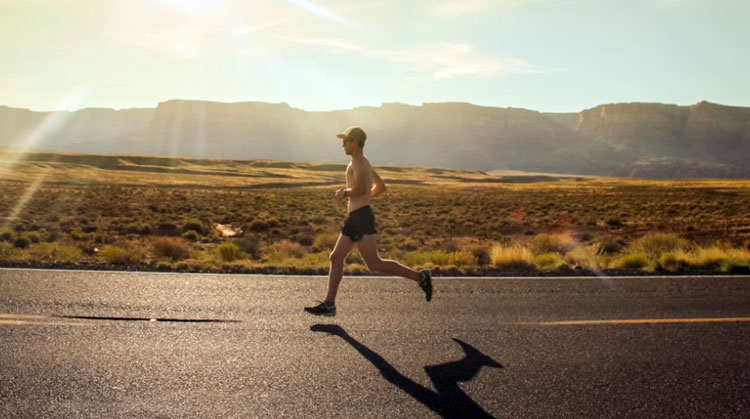
The Gila Valley is built for endurance sport. Open desert roads, quiet morning air, and the climb up toward Mount Graham give local athletes terrain that most cities cannot match. Graham County turns out runners, cyclists, and swimmers in steady numbers each season.
That same terrain punishes a bad plan. Heat, altitude, and long rural stretches expose anyone who guesses at effort instead of measuring it. A clear pacing target keeps a first triathlon fun rather than frightening, and a free triathlon calculator can turn three vague goals into three numbers you can actually train toward. That small shift is where most beginners find their footing.
Why Pacing Matters More Than Speed
Most first-time triathletes go out too fast. The adrenaline of a start line hides how hard 90 minutes of mixed effort really is. Pacing fixes that problem before it starts.
Pacing is the plan that spreads your energy across all three legs. You hold back early, bank effort, and finish strong instead of fading. The math behind it is simple once you see it laid out.
Local sports fans already track splits closely. Knowing your digital footprint of training data, from heart rate to split times, shapes every result the same way. Triathlon rewards that same attention.
Three habits separate steady finishers from early burnouts:
- Start slow on the swim and bike, then build.
- Hold even effort rather than chasing other athletes.
- Save the run for a controlled push at the end.
Setting Realistic Swim, Bike, and Run Targets
A sprint triathlon is the shortest standard format, with a 750-meter swim, a 20-kilometer bike, and a 5-kilometer run. Each leg needs its own target time. Guessing one number for the whole race almost never works.
Break the day into parts. A new athlete might plan 18 minutes in the water, 45 minutes on the bike, and 30 minutes running. Those are honest starting numbers, and you adjust them as fitness grows over 8 to 12 weeks.
Heat changes everything here. A 2014 study indexed on PubMed measured how specific exercises load the muscles you rely on for running. That research helps explain why fatigue hits faster when the desert sun pushes effort up. Add 5 to 10 percent to your target times on hot days and treat that as normal, not as failure.
Use these anchors when you build a first plan:

- Swim: count strokes per length to hold a steady rhythm.
- Bike: keep effort easy enough to talk in short phrases.
- Run: start 20 seconds slower than your usual training pace.
Building a Training Week That Holds Up
Consistency beats intensity for new triathletes. Three to four sessions a week are plenty when you are starting out. The goal is steady progress, not a single brutal workout.
A simple week might include one swim, two rides, and two runs. Keep one day fully off. Rest is when the body actually adapts, and skipping it is how injuries creep in.
Track how each session feels, not just the clock. Athletes who follow data treat pacing like a numbers game. They read a soccer betting line the same way, weighing the figures rather than the hype. Your training log works once you trust the numbers.
A balanced first month often looks like this:
- Week 1: short, easy sessions to build the habit.
- Week 2: add 10 percent to one swim and one ride.
- Week 3: hold steady and recover well.
- Week 4: test a full distance at race pace.
Avoiding the Common Beginner Mistakes
The fastest way to ruin a first race is to ignore the early signals. Dehydration, poor fueling, and a sprint-from-the-gun start cause most rough finishes. All three are easy to prevent.
Drink before you feel thirsty, especially across a hot Arizona morning. Eat a light meal 2 to 3 hours before any long session. These habits sound basic, yet they decide how the last 10 minutes feel.
Local events also build skills fast. The USA Track & Field events calendar lists sanctioned races across the region, and entering one early gives a real deadline to train toward. A fixed date keeps the plan honest.
Frequently Asked Questions
How Long Does It Take to Train for a First Triathlon?
Most healthy beginners need 8 to 12 weeks to prepare for a sprint triathlon. The plan depends on your starting fitness and how many days you can train each week. Three sessions weekly is a workable floor, and four is better if your schedule allows it. Build distance slowly and add no more than 10 percent of volume per week. That steady curve protects your joints and keeps motivation high through race day.
What Pace Should I Aim for In My First Race?
Aim for an effort you can hold without gasping, not a personal best. Keep each leg at a level where short sentences are still possible. Start the swim and bike easy, then spend any leftover energy on the run. A pacing tool turns that feel into real target times. Most first-timers finish a sprint in 75 to 100 minutes.
Do I Need Expensive Gear to Start?
No. A reliable bike, a swimsuit, and running shoes cover the basics for a first season. Borrow or rent before you buy anything costly, since fit matters far more than price. Spend on a good pair of shoes first, because the run leg punishes poor footwear. Upgrade slowly as you confirm the sport suits you. Many strong local athletes train on modest equipment.
How Do I Handle the Arizona Heat?
Train early when the air is cool, ideally before 8 a.m. in summer. Carry water on every session longer than 30 minutes and sip often. Add 5 to 10 percent to your target times on the hottest days and accept that as smart, not slow. Wear light colors and a cap to cut sun exposure. Listen to your body, and stop if you feel dizzy or stop sweating.