


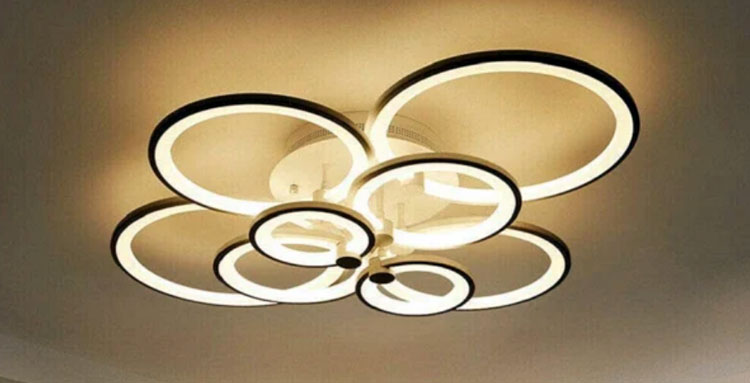
Step into any contemporary house at dusk, and the lights will speak for themselves. A pendant above the dining table defines the dinner atmosphere, while a lamp by the couch tells you where you’ll be relaxing after nine. Furniture takes the lion’s share of decorating expenditure, but the light source hanging above it dictates the overall ambiance of your interior space.
That is why a modern interior lighting design calls for a strategy, not a last-minute selection at the checkout desk. Lighting fixtures should always complement the space in which they are used, and room parameters, such as ceiling height, orientation of the window openings, and even wall colors at 6 PM, all indicate particular lighting fixtures. Someone who evaluates all these factors beforehand buys things that last through the third repainting of the walls.
Function of the Room Suggests Suitable Fixtures
The first thing to ask yourself here is: what is this room used for? The island counter in the kitchen requires bright light coverage because that’s where the cooking and reading take place, while a reading nook only requires one warm spot of light for comfortable book browsing.
With that settled, so is the number of fixtures. One ceiling-mounted lamp will never cover the corners in a large open-plan area, no matter what type of bulb you choose. The floor lamp by the sofa covers the darker part of the room. No need for anything complicated here – just some lighting where things happen.
The Size Defines the Character of an Open Room
It’s easier to notice when something is wrong with the size than with the style. A ten-inch pendant above a seven-foot-long dining table will always look odd as soon as one enters the room. Here’s a useful tip – the fixture should cover about half the width of the object it is hanging over, so better measure the table first.
After deciding on the right dimensions, come hanging heights. Generally speaking, dining pendants hang 30 to 36 inches above the tabletop, which means that they illuminate the space without getting in the way of conversation. A double-height entryway requires at least 4 feet of chain. Bedrooms with low ceilings are well suited for flush mounts.
Three Layers of Light Add Layers of Interest
Flat overhead lighting makes expensive rooms resemble waiting rooms. Depth comes from three layers interacting at the same time. The ambient light will come from above and be the first layer; task light falls on top of your work surface or your kitchen counter, and a sconce plays with texture by skimming across the brick or the painting.
The layers of light pay off throughout the day. Cleaning up on a Saturday calls for maximum output of the ceiling fixture. A Tuesday night requires the use of just two table lamps. Interior lighting designed this way conforms to the moment rather than resists it.
Finishes Need To Reflect The Original Palette
A metal finish is how the fixture interacts with the rest of the space. Black matte against white walls and light oak looks great; brushed brass takes the edge off grey. Chrome fits well in the glass room.
There’s one surefire tip here: repeat each finish at least twice. Brass pendant lights become intentional when brass cabinets come into play in the rest of the room. Three different metals fit into one room according to that rule. Lack of repetition, and it all seems random.

Color Temperature Dictates the Appearance of the Interior Design
This is what people learn only afterward: the type of lighting affects decor. Warm white 2700K creates a pleasant effect on oak flooring and linen curtains. Neutral white 3500K keeps a bathroom honest in the morning light. All that exceeds 4000K should stay in the garage.
The mix of different color temperatures on the same line of sight is the dead giveaway. A warm pendant near a cold recessed can will draw everyone’s attention immediately to the contrast. All one needs is one color temperature per floor, with exceptions for tasks requiring additional illumination. The temperature will be right on the box.
Minimal Shapes Work Best with Minimal Decor
The modern interior design works with geometric forms; therefore, the fixtures need to be neutral too. Linear bars, globes, and frameless designs are good choices. An ornamented candelabrum in a minimal setting will create an uncomfortable contradiction with the furniture pieces. Architecture should remain the loudest element in the room.
However, a single artistic piece may be used to balance other elements. For instance, a 30-inch-diameter paper lantern above a stairwell helps to guide the look. The key is in moderation everywhere else. Only one element needs to dominate, with the secondary complementing role.
Modern interior lighting design determines the meaning of modern interiors from the door to the inside. Function dictates the style, scale gives the dimensions their proper value, and sources of inspiration provide layers and depth day and night. Repeating finishes ensure coordination, and a consistent color temperature makes every surface agree. Planning for modern interior lighting pays off in spades when executed properly. First, measure, then determine the purpose of each space, and then select fixtures for those hours.