


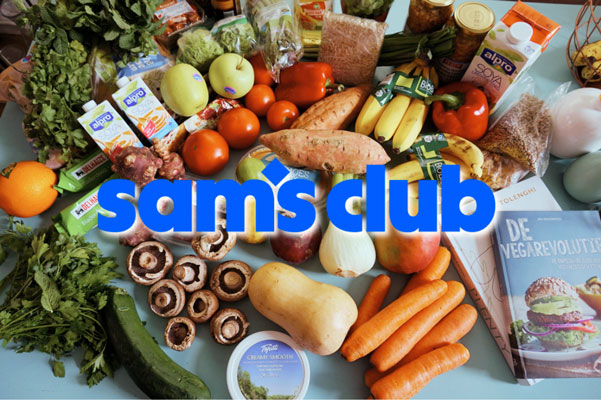
For years, grocery shopping was something I simply squeezed into the week whenever we needed something. If we ran out of cereal, I went to the store. If we needed snacks, I went again. If dinner plans changed, there was another trip.
As a mom, I eventually realized that I was spending more time grocery shopping than I needed to. It was not necessarily because we were buying too much. It was because I was buying without much of a plan.
One week, I would make three or four small trips. By the end of the month, I had spent plenty of money but still felt like I was constantly running out of something. That was when I decided to try something different. Instead of thinking about groceries one week at a time, I started planning around the month.
That change also made me look at Sam’s Club differently. Rather than seeing bulk shopping as simply buying large packages, I started thinking about which products actually made sense to buy in larger quantities and which ones were better purchased as needed.
I Started Separating What We Need From What We Just Want
The biggest lesson I learned is that buying in bulk is not automatically saving money.

Before making a larger purchase at Sam’s Club, I started asking myself a simple question: Will my family actually use all of this?
That question changed my shopping habits.
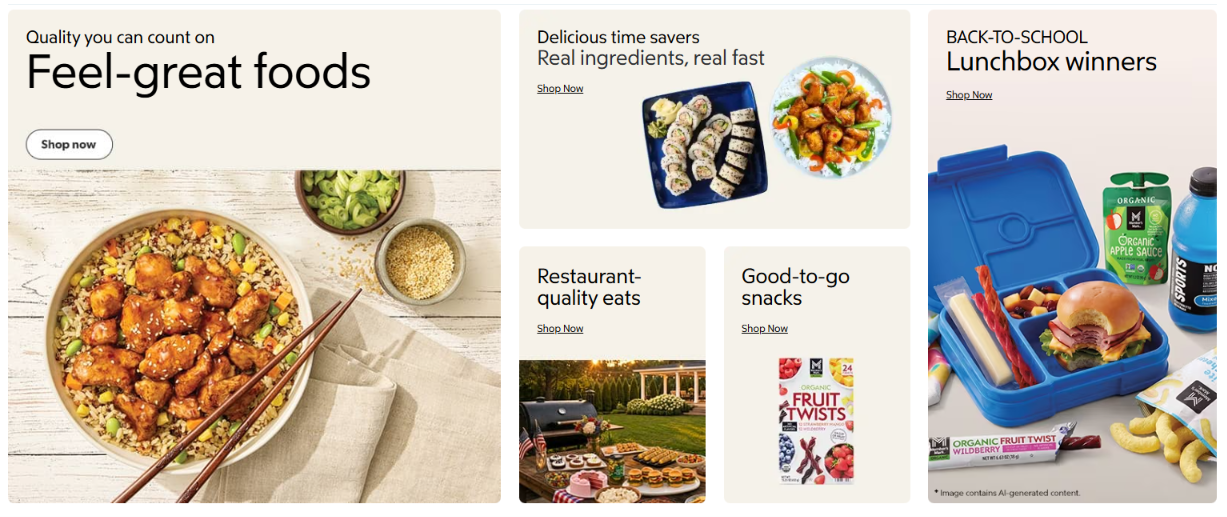
There are certain things I know we go through regularly. Rice, pasta, cereal, snacks, coffee, bottled drinks, paper products, and other pantry staples can make sense when purchased in larger quantities, especially when I know they will be used before they lose their quality. Sam’s Club offers a broad grocery selection that includes pantry items, frozen foods, dairy, meat, produce, snacks, beverages, and prepared foods.
Other items require more thought.
Fresh produce, for example, can be a poor bulk purchase if my family cannot finish it before it spoils. The same goes for products we only occasionally use. A large package may appear inexpensive when I look at the price per unit, but it is not a bargain if half of it ends up in the trash.

That realization helped me become much more selective at Sam’s Club. I stopped asking whether something was a good deal and started asking whether it was a good deal for our household.
That distinction matters.
I also began keeping a simple list divided into two categories. The first is our monthly stock-up list. These are products we use consistently and can store easily. The second is our weekly list, which includes fresh foods and anything that depends on what we are cooking that week.
The result is a grocery routine that feels much more intentional.
My Monthly Trip Became More About Planning
Once I had my list, I found that shopping at Sam’s Club became easier because I already knew what I was looking for.

Instead of walking through the store and putting something in my cart simply because the package was large, I could focus on the things our family actually needed. I also started checking the unit price rather than looking only at the total price. A lower cost per ounce or per item can help identify where buying a larger package makes sense, but I still consider how quickly we will use it.
Storage has become another part of my planning.
Before buying a large quantity at Sam’s Club, I think about where it will go when I get home. If I do not have enough pantry, refrigerator, or freezer space, buying more is not particularly helpful. I would rather purchase a reasonable amount and have an organized kitchen than fill every available shelf with products we may not need.
This approach has also made me more aware of our family’s actual habits. I know which snacks disappear quickly and which ones sit untouched. I know which breakfast foods need to be replenished every month and which ones are better bought in smaller quantities. I know which household products are worth keeping on hand and which ones can wait.
That is where Sam’s Club has become useful for me. The goal is no longer to buy as much as possible. The goal is to make fewer, smarter purchases.
There are also times when I do not want to make another trip to the club after my monthly stock-up. Sam’s Club offers delivery and curbside pickup on many grocery and household items, which gives me another way to handle those smaller needs when they come up.
I still make weekly grocery trips when necessary. I have not completely eliminated them, and I do not think every family should. The difference is that those trips are now shorter and more focused.
My monthly shopping handles the dependable staples. My weekly list handles the fresh items and whatever we need for specific meals.
That simple change has made grocery shopping feel less like an endless chore and more like part of my household planning.
If you are constantly making grocery runs and wondering where your food budget is going, try looking at your shopping habits over an entire month. Write down what your family consistently uses, separate those items from things that are better purchased weekly, and be realistic about storage and expiration dates.
Then, when you shop at Sam’s Club, buy bulk quantities with a purpose rather than simply because the package is bigger.
The real savings do not come from buying everything in large quantities. They come from knowing what your family will actually use. Once you figure that out, a monthly stock up can save more than money. It can save time, reduce unnecessary trips, and make the kitchen feel a lot more manageable.