


It’s the Monday after Thanksgiving, and you’ve got six tabs open. They’re all over-ear headphones in more or less the same gray, every price has a red line through it, and every banner swears the deal dies at midnight. Figuring out how to choose headphones in that moment mostly comes down to ignoring the percentage for a few minutes. Below, we’ll go through the few features that decide whether a pair gets worn or ends up in a drawer, and then match them to the way you’ll actually use them.
Why Shouldn’t the Discount Decide How You Choose Headphones?
A bigger discount doesn’t make a pair better at blocking noise, lasting through your day, or working with your phone, so compare those three things before the price. Here’s the awkward truth about Black Friday pricing. Markdowns pile up in the same few price bands, so the pair with the biggest cut is often just the one that started out the priciest. A big percentage badge says something about the store’s week. It says nothing about blocking out a train or getting through a workday.
So make a list first, before you look at a single price. Three or four lines are enough: things like quiet, a flight, lasts all day, works with my laptop and my phone. That’s really all “what to look for in headphones” means in practice. Anything that misses a line is a bad deal at any price, and whatever’s left is what you compare on cost.
How Good Is the Noise Canceling, Really?

ANC is strongest against steady, low-pitched noise like engine roar, while voices and sudden sounds only get quieter. Quiets a flight usually tops that list, and it’s also the feature product pages oversell. Say you take the 6 a.m. flight to Denver every other week. Active noise canceling (ANC) will flatten the engine roar, plus the vent hiss and the rumble of the airport shuttle. The guy two rows back on speakerphone is a different story — he’ll just sound further away.
On a sale page full of Bluetooth noise cancelling headphones, hunt for the word adaptive. Fixed noise cancellation runs at one constant strength, so it can feel weak on your flight and a little stuffy at a quiet desk. Adaptive versions keep adjusting as you move from the gate to the jet bridge, and you won’t really think about them after the first week.
Your glasses matter here too, oddly enough. Soft cushions that close around the ear do half the blocking before any electronics kick in, and thick frames break that seal. Transparency mode is worth a look while you’re at it, so a gate change announcement doesn’t sail past you.
Will the Battery and Earcups Last Through a Full Day?

They can, as long as the ANC-on battery figure covers your longest day and the earcups still feel fine after a few hours of wear. Lasting all day is trickier than it sounds, because most listings give you two battery numbers. One is with ANC on, one with it off. If noise canceling is the reason you’re buying, the ANC-on number is the one that counts. Fast charging is worth a look too, since a few minutes on a cable while you hunt for your passport can cover the whole flight.
Comfort is the thing no spec sheet shows. Clamping force, headband padding, and cushion material all add up over a few hours. A pair that feels fine in the first five minutes can be squeezing your head by the third episode. The fix is boring, but it works. When the box arrives, wear them for two or three hours straight while the return window’s still open.
Which Connection Details Do Most Shoppers Skip?

The ones most people skip are which audio codecs your phone supports and whether the headphones can stay paired with two devices at once. Roundups of the best wireless headphones talk up sound quality and hi-res support. What they skip is the phone, and the phone ends up deciding a lot of it. LDAC, one of the formats behind those hi-res claims, only runs on compatible Android phones. Pair an LDAC set with an iPhone and that line on the spec sheet does nothing, which matters if it’s the main thing you’re paying extra for.
So check which phone you’ll pair them with before anything else. After that, a few small features tend to earn their keep. Multipoint keeps the headphones paired with a phone and a laptop at once, which matters if you take calls at a desk. Wearing detection pauses music when the headphones come off. And a companion app with an EQ and firmware updates means the pair can still pick up fixes after the holidays.
What Should You Check Before the Countdown Timer Runs Out?
The return policy is the least fun part of any sale, and it’s worth two minutes before you click buy. Return windows differ from store to store, and holiday sale items sometimes come with stricter terms, so send back anything that doesn’t fit before the return window closes. While you’re still on the product page, check how the store handles headphones that have been opened and worn, because some stores charge a fee or turn those returns down.
Look for return shipping costs and restocking fees, and screenshot both the order and the policy in case there’s a dispute later. A credit card gives you more protection than most other ways to pay. And if a social media ad shows big-name headphones at a price that looks too good, it probably is, because that’s a common holiday scam.
One way around the guesswork is to check Black Friday headphones deals on a brand’s own store, where the model number and return terms sit on the same page.
Which Features Matter Most for the Way You’ll Use Them?
Once the return terms check out, look at your own routine, not the product page. How you spend a normal week tells you which feature goes first.
| Who it’s for | Put this first | Kind of headphones |
| Frequent flyer or long commute | Low-frequency ANC, long battery | Travel-tuned over-ear |
| Works from home | Clear calls, multipoint | UC-certified office headset |
| Shares a dorm room | Easy to carry, transparency mode | Compact foldable ANC |
| Listens mostly at home | Sound and comfort | Wired studio-style |
Plenty of shoppers land in that first row. If that’s you, the soundcore Space 2 is a good example of a travel-tuned pair, since it spends most of its effort on low-frequency noise and battery life.
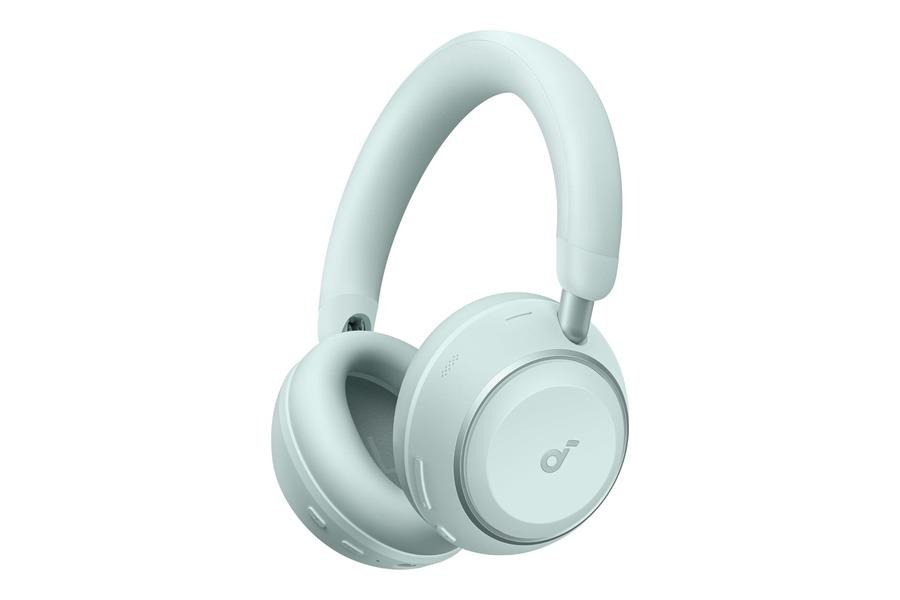
Alt: soundcore Space 2 over-ear headphones
Filename: soundcore-space-2-headphones.jpg
Picture a red-eye from LA to New York. The engine drone is what grinds you down, and Space 2 goes after exactly that with Adaptive ANC 3.0 and a 4-Stage Low-Frequency Noise Canceling System built around sounds like jet engines. Battery is rated at up to 50 hours with ANC on and 70 with it off. If you forget to charge the night before, 5 minutes on a cable buys 4 hours of playtime (tested with ANC off at 50% volume under lab conditions), though actual playtime varies with volume and settings.
The smaller touches line up with the checks from earlier. Wearing Detection pauses the audio when the headphones come off, Transparency Mode lets the boarding call through, and the Soundcore app has one-tap white noise for sleeping in the middle seat. Space 2 also supports multipoint connections for hopping between a phone and a laptop. LDAC Hi-Res wireless audio is there if you’re on a compatible Android phone, though iPhones don’t support LDAC.
Conclusion
Those six tabs will still be there tomorrow, and none of their red lines will have made one pair better than another. The pair worth buying quiets the noise you actually live with, lasts your whole day, and works with the phone you already own. Write your must-haves down before the next sale, read the return policy once, and make sure the box gets opened early enough for an afternoon of wear.
Frequently Asked Questions
Are Black Friday Headphone Models Different From the Versions Sold the Rest of the Year?
Sometimes, yes. Big retailers occasionally get their own model numbers for the holidays, and those versions don’t always match the regular one. Before checking out, copy the model number from the listing into the brand’s own site and see if the two line up.
Is It Worth Buying Last Year’s Headphone Model on Sale Instead of the Newest Release?
Usually it is, if last year’s pair still receives firmware updates and ticks every line on your list. The new release might squeeze out a bit more battery or slightly stronger canceling. If you mostly listen on the couch, you won’t miss it.
Do Refurbished Noise Canceling Headphones Perform as Well as New Ones?
Certified refurbished pairs tend to come close, because they get inspected before resale. The ear cushions are what to ask about. Tired padding lets sound leak in, and that undercuts the canceling, so look for fresh cushions and a warranty you’d actually be able to use.
How Long Should a Pair of Wireless Headphones Last Before the Battery Wears Down?
It really depends on charging habits. A lithium-ion battery loses a sliver of capacity every cycle, which means a pair used on a daily train commute ages faster than one that only comes out for vacations. Storing them completely dead for weeks makes it worse.
Can You Wear Noise-Cancelling Headphones Without Playing Music?
Yes. Lots of people put them on with nothing playing, just to dull a noisy cabin or an open office. When you shop, check that the model lets you switch the canceling on without any audio running.