
Natural gas keeps your home warm and your food hot. It is a reliable fuel source that millions of families rely on every day. Even with its benefits, gas requires careful attention to stay safe. You should know how to spot a problem before it becomes a crisis. Simple habits can keep your living space secure. Understanding the basics helps you protect your loved ones and your property. Let’s look at how gas systems work and what you can do to stay safe.
Understanding Your Home Gas Supply
Most houses use a complex network of pipes to move fuel. This system brings energy from the main line directly to your stove or furnace. A government report shared that residential natural gas deliveries reached 975 billion cubic feet in January 2026. This massive volume shows how much energy flows through neighborhoods every single day.
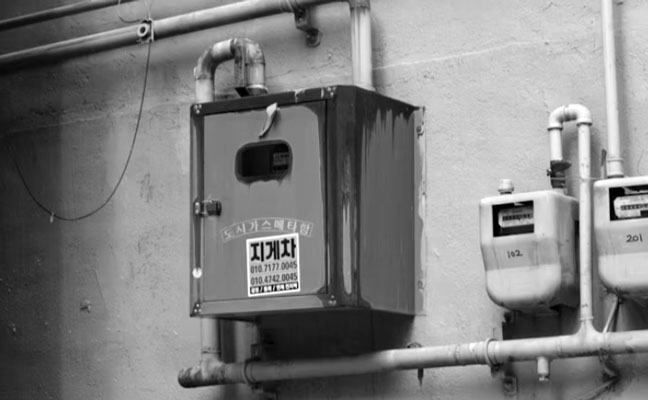
Managing such a large amount of fuel requires steady monitoring. The infrastructure starts at the street and enters your home through a meter. You are responsible for the pipes on your side of that meter. Keeping track of the age of your lines is a smart move for every homeowner. Pipes can wear down over many decades.

Old metal pipes might rust or corrode depending on the soil conditions. This can lead to tiny holes that let gas escape into the ground. Watching your monthly bill for sudden spikes is one way to check for leaks. If you use more gas than usual without a reason, look for a problem.
Recognizing Potential Hazards
Detecting a gas leak early is the best way to prevent an accident. If you suspect an issue, Underground gas line repair Pittsburgh experts help identify the break and secure your yard. Finding these leaks quickly prevents gas from building up in pockets of soil. Professional technicians use specialized tools to check the integrity of every connection.
Outdoor signs are just as critical as indoor smells. Look for patches of dead grass or bubbles in puddles when it rains. These visual cues often point toward a failing line deep beneath the surface. Staying observant helps you catch small problems before they turn into major repairs.
Sometimes the earth shifts and puts pressure on your supply lines. Heavy rain or freezing temperatures can cause the ground to move. This movement might pull a pipe away from a joint or a fitting. Inspecting the area around your meter after a big storm is a good habit.
- Check the area around your gas meter for debris.
- Listen for unusual noises coming from the furnace.
- Watch for pilot lights that frequently go out.
- Look for soot or scorching on gas appliances.
The Hidden Dangers of Static Electricity

Many people do not realize how easily gas can ignite. A tiny spark is often enough to start a fire if a leak is present. A safety resource explained that flipping a light switch or starting a car can create enough static electricity to ignite leaking gas. Even touching a metal appliance could be a trigger in a gas-heavy environment.
You should never use your phone inside a building if you smell gas. Walk far away from the structure before making a call. Avoid opening windows or doors if you think the concentration of gas is high. Moving quickly and quietly is the safest path out of the danger zone.
Safe Digging and Appliance Maintenance
Working in your yard requires more than just a shovel and a plan. You must know where the utility lines are buried before you break ground. A utility safety guide suggests requesting location info at least 3 business days before you start any digging project. This step prevents you from accidentally hitting a pressurized line with a tool.

Damaging a line is a serious risk for anyone doing landscaping. It can lead to expensive fixes and dangerous outages for the whole street. A recent article noted that gas fittings and powered appliances require yearly checks to stay in top shape. Regular maintenance stops small leaks from forming in the first place.
Responding to Gas Emergencies
Utility companies work hard to keep their response times very fast. They treat every odor call with extreme urgency to protect the public. One major utility provider reported a 99.7% success rate in responding to gas calls within 60 minutes. This quick action helps stop leaks before they lead to explosions.
- Leave the house immediately if you smell gas.
- Do not turn any lights on or off.
- Call your gas company from a neighbor’s house.
- Stay away until a pro says it is safe.
The network of pipes across the country is truly massive. It stretches through almost every town and city to keep things running. Statistics on infrastructure show that the US has about 3.5 million kilometers of gas distribution lines. Keeping such a huge system safe requires help from every resident who uses it.
The Scope of Infrastructure and Leaks
Not every gas leak ends in a fire, but they all carry a heavy price. Leaks that do not ignite still cause trouble for local emergency services. A study on fire department costs found that non-ignited leaks happen 600 times more often than fires do. These calls use up a lot of community resources and taxpayer money.
Fixing a leak as soon as you find it saves money in the long run. It also protects the environment by keeping methane out of the air. Modern sensors can find even the smallest holes in a pipe. Investing in safety tech is a smart way to watch over your family.
Family Education and Maintenance
Taking care of your gas lines is a marathon, not a sprint. Small steps taken every year can prevent a major catastrophe. You should schedule a visit from a plumber to check your indoor connections. They have the tools to find leaks that are too small for you to smell.
Everyone in your house needs to know the signs of a gas leak. Kids should understand that the smell of rotten eggs means they should go outside. Teach them not to play with the knobs on the stove or the heater. Knowledge is the best tool for keeping your loved ones safe from harm.
Taking gas safety seriously is a sign of a responsible homeowner. You can prevent most accidents by staying alert and following simple rules. By paying attention to the small details, you create a safer environment for everyone you love. Stay safe and keep your home running smoothly.