

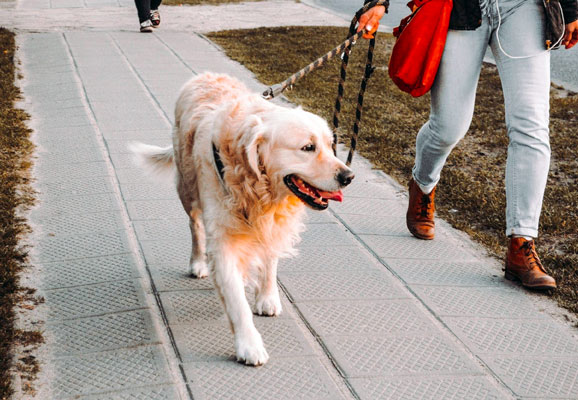
Mobility issues in dogs can develop gradually with age or appear suddenly due to injury, illness, or congenital conditions. When a dog struggles to walk, run, or even stand comfortably, it affects not only their physical health but also their emotional well-being. Dogs are naturally active animals, and limited movement can lead to frustration, reduced confidence, and a decline in overall quality of life.
Understanding the underlying causes of mobility challenges is essential for providing the right support. Whether the issue stems from joint pain, neurological conditions, or limb loss, early intervention and thoughtful care can make a significant difference. With the right approach, many dogs can regain independence and continue enjoying daily activities.
Common Causes of Mobility Challenges in Dogs
Mobility problems in dogs often result from a combination of factors. Conditions such as arthritis, hip dysplasia, and neurological disorders can gradually limit movement, while injuries or amputations may cause sudden changes in mobility.
Dogs naturally carry a significant portion of their body weight on their front legs, around 60%, which means issues affecting the front limbs can have a major impact on balance and movement . When these limbs are weakened or compromised, even simple activities like walking or standing become difficult.

As mobility decreases, dogs may compensate by shifting weight to other parts of their body, which can lead to additional strain and discomfort over time.
How Reduced Mobility Affects Daily Life
When a dog experiences mobility limitations, everyday routines become more challenging. Activities such as climbing stairs, going for walks, or even getting up from a resting position can require extra effort or assistance.
Movement is closely tied to a dog’s overall health. Limited activity can lead to muscle loss, weight gain, and reduced cardiovascular fitness. It can also affect a dog’s mental state, as reduced mobility often leads to decreased stimulation and interaction.
A dog’s gait, the way it moves, is an important indicator of health, and disruptions in normal movement patterns often signal underlying issues that require attention. Recognizing these changes early allows owners to respond before the condition worsens.
The Role of Supportive Mobility Aids
One of the most effective ways to support dogs with mobility challenges is through the use of assistive devices. Mobility aids are designed to reduce strain on affected limbs while allowing dogs to remain active.
In cases where front legs are affected, solutions like specialized carts can help redistribute weight and restore balance. Options available when you shop dog wheelchairs for front legs are specifically designed to support the front portion of a dog’s body, enabling movement while reducing pressure on injured or weakened limbs.
These devices can significantly improve a dog’s independence, allowing them to walk, explore, and engage with their environment again.
Helping Dogs Adjust to Mobility Changes
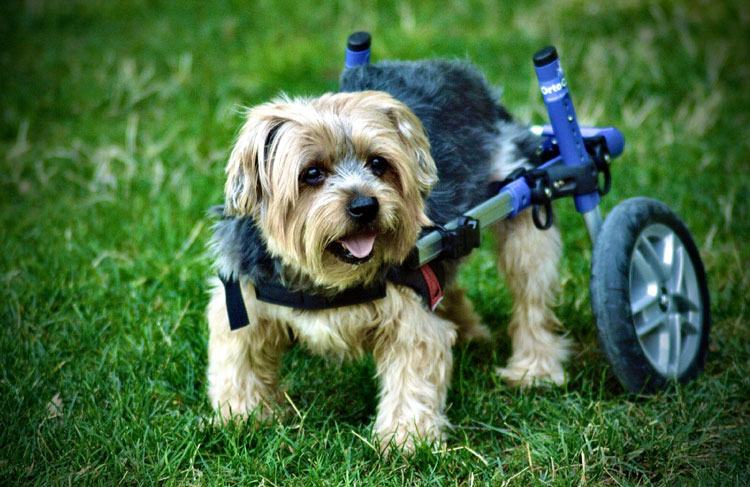
Adjusting to mobility challenges takes time, both for the dog and the owner. Dogs may initially feel unsure or hesitant when using new equipment or adapting to physical limitations.
Gradual introduction is key. Short sessions, positive reinforcement, and a calm environment can help dogs become comfortable with mobility aids. Some dogs adapt quickly, while others need more time to build confidence.
Observations from real-world experiences show that dogs often require a learning period to adjust to wheel-based support, gradually improving their ability to move and navigate their surroundings. Patience and encouragement play an essential role in this process.
Supporting Physical Health Through Care and Exercise
Even with mobility challenges, maintaining physical health remains important. Gentle exercise helps preserve muscle strength, improve circulation, and prevent stiffness.
Activities should be adapted to the dog’s condition. Short walks, controlled movement, and low-impact exercises can provide benefits without causing strain. In some cases, physical therapy or guided rehabilitation may be recommended.
Regular veterinary check-ups are also essential to monitor progress and adjust care plans as needed. Addressing mobility issues early can prevent further complications and improve long-term outcomes.
Creating a Comfortable and Accessible Environment
A dog’s living environment plays a significant role in their comfort and mobility. Simple adjustments at home can make daily life easier and safer.
Providing non-slip surfaces, supportive bedding, and easy access to food and water can reduce the risk of injury and improve overall comfort. Ramps or step aids can help dogs navigate areas that would otherwise be difficult.
These changes not only support physical health but also reduce stress, allowing dogs to move more confidently within their environment.
Small comfort-focused choices can also make everyday routines easier for dogs that still enjoy regular walks and time outdoors. For some owners, lightweight vests for everyday dog wear are part of that routine because they provide light coverage without adding unnecessary bulk or restriction. When a dog is already adapting to physical changes, a simple gear that supports comfort and ease of movement can fit more naturally into daily life.
Improving Quality of Life Through Ongoing Support
Mobility challenges do not mean a dog’s quality of life must decline. With the right combination of care, equipment, and emotional support, many dogs continue to live active and fulfilling lives.
Owners play a crucial role in this process by staying attentive, adapting routines, and providing consistent support. Dogs are highly adaptable, and with proper guidance, they can adjust to new ways of moving and interacting with the world.
Veterinary and animal health organizations consistently emphasize that maintaining mobility, through rehabilitation, assistive devices, and supportive care, is essential for preserving both physical health and emotional well-being in dogs, reinforcing the importance of early intervention and ongoing management.