

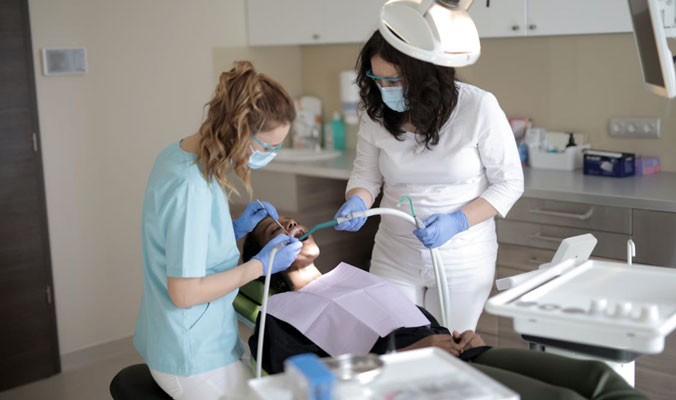
Most people know they should visit the dentist regularly.
But here’s the problem…
Many people don’t know what kind of dental care they are receiving — or why they need it. Cosmetic dentistry, restorative dentistry, and preventive dentistry are three completely different things. Confusing them could cost you your time and money. And smile.
Here’s what’s good about all three:
- They each serve a different purpose
- Together, they cover every aspect of oral health
- Knowing the difference helps you make smarter decisions
This guide breaks it all down so it actually makes sense.

Here’s What’s Covered:
- What Is Preventive Dentistry?
- What Is Restorative Dentistry?
- What Is Cosmetic Dentistry?
- Why a Preventive Dental Checkup Is the Starting Point
- How All Three Work Together
What Is Preventive Dentistry?
Preventive dentistry is exactly what it sounds like.
It’s about preventing dental problems before they happen. The mission is simple — keep your mouth healthy and save you money in the future.
A regular preventive dental checkup is the foundation of this approach. It typically includes:
- A full dental exam
- Professional cleaning
- X-rays (when needed)
- Oral cancer screening
- Personalized hygiene advice
Here’s the thing that surprises most people…
Just 50% of Americans make it to the dentist twice per year, which is what the ADA recommends. What’s even more shocking is that 40% of adults only see a dentist when they have a problem. Yikes. That’s being proactive — the exact opposite of smart.
Getting comprehensive dental care on a routine basis is the best thing anyone can do for their long-term oral health. Routine dental visits help nip small problems in the bud before they become costly.
The bottom line with preventive dentistry:

It’s cheaper. It’s less painful. And it maintains your teeth in much better condition for longer.
What Is Restorative Dentistry?
Restorative dentistry steps in when damage has already happened.
Prosthodontics focuses on restoring teeth damaged by decay, trauma, or disease. Consider it your mouth’s mechanic.
Common restorative treatments include:
- Fillings — used to treat cavities and remove decay
- Crowns — covers used to restore the shape and size of a tooth that has been damaged
- Bridges — used to replace one or more missing teeth
- Dental implants — a permanent solution for replacing missing teeth entirely
- Root canals — a procedure that saves an infected tooth from extraction
- Dentures — removable replacements for missing teeth
Here’s why restorative work becomes necessary…
25% of adults in America have untreated tooth decay. If left untreated, they will not go away. Decay will eat its way deeper into your teeth, eroding the inner structures. What could have been a simple filling can turn into a root canal or extraction.
Restorative dentistry is a critical category of care.
The thing is, though, most restorative care could’ve been prevented with regular preventive dental visits. Preventative care is always less expensive than restorative.
What Is Cosmetic Dentistry?
Cosmetic dentistry is focused on appearance.
Unlike preventive or restorative care, it isn’t always needed for medical reasons. The focus is on making teeth, gums, and the smile look better. Period.
According to this professional dentist in Jenkintown PA, although primarily aesthetic, these improvements can significantly boost a patient’s confidence and often encourage them to maintain better daily oral hygiene habits to protect their new smile.
Popular cosmetic procedures include:

- Teeth whitening — removing surface stains to brighten the smile
- Veneers — thin porcelain shells bonded to the front of teeth
- Bonding — a tooth-coloured resin used to fix chips, cracks, or gaps
- Invisalign and clear aligners — straightening teeth without traditional braces
- Gum contouring — reshaping the gum line for a more balanced appearance
- Smile makeovers — a combination of cosmetic procedures tailored to the patient
It’s worth knowing that some treatments overlap categories.
Take crowns, for instance. They can be both restorative (fixing a broken tooth) and cosmetic (making a tooth look better). Straightening teeth can benefit your bite as well as make your smile look nicer, and an orthodontist Miami website can provide more information about your treatment options. Cosmetic versus restorative care often overlaps.
The key distinction? Cosmetic dentistry is elective. Restorative and preventive dentistry are not.
Why a Preventive Dental Checkup Is the Starting Point
Here’s something that gets overlooked all the time…
A dental prophylaxis is not just a cleaning. It’s a complete oral health evaluation.
During a routine checkup, a dentist can detect:
- Early-stage cavities that are invisible to the naked eye
- Gum disease before it becomes severe
- Signs of oral cancer
- Teeth grinding or bite problems
- Issues with old fillings or restorations
This is important because oral health affects overall health. Studies show gum disease is connected to heart disease, diabetes, and other systemic issues. A preventative dental visit is one of the simplest things anyone can do to protect their health.
More than 8 in 10 adults (83%) saw the dentist in 2023 for preventive care, Delta Dental’s 2024 State of America’s Oral Health and Wellness Report revealed. That statistic is increasing — and there’s a reason why.
Regular checkups allow problems to be detected early. Early detection usually leads to easier, less costly treatment.
How All Three Work Together
The best dental outcomes happen when all three types of care are used together.
Here’s a simple way to think about it:
- Preventive dentistry keeps problems from starting
- Restorative dentistry fixes problems that have developed
- Cosmetic dentistry improves the appearance after health is restored
First and foremost is prevention. Prevention should always be the primary focus. The better the preventive dental checkup routine, the less restorative dentistry is needed. After teeth are healthy and functional, cosmetic dentistry can then be explored to improve the smile.
This isn’t a one-or-the-other situation. It’s a complete approach to oral health.
The Full Picture
Understanding the difference between cosmetic, restorative, and preventive dentistry is genuinely useful.
It means knowing what questions to ask during appointments. Knowing what a treatment recommendation actually entails. Building a rapport with a dental provider who understands all three.
To quickly recap:
- Preventive care is routine and proactive — cleanings, exams, and checkups
- Restorative care repairs damage — fillings, crowns, implants
- Cosmetic care improves appearance — whitening, veneers, aligners
- All three work best together
- A regular preventive dental checkup is always the smartest first step
Don’t wait for trouble to find you. Schedule the checkup, nip little problems in the bud, and give restorative or cosmetic procedures the best chance for success.