
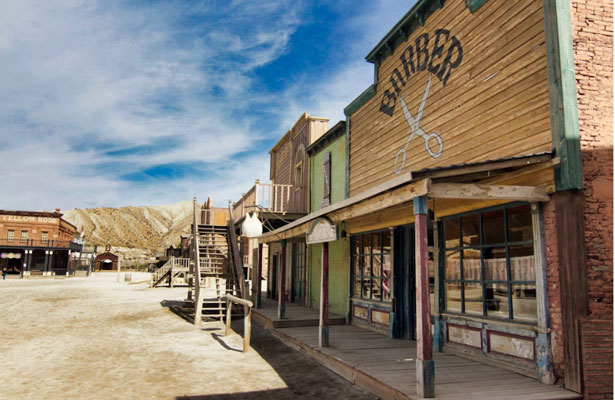
The desert sun bakes the dry earth, and wind whistles through empty windows. Arizona holds many secrets within its dusty borders. Old mining camps sit silent and forgotten under the wide sky. These places tell stories of boom times and hard luck. Exploring these sites lets you step back into a wilder era. You can see how people lived when gold was king. Each crumbling wall has a tale to tell.
Desert Echoes and Forgotten Streets
The silence of the desert is heavy with history. Many travelers seek these Arizona Ghost Towns to find a connection to the frontier days. You can feel the ghosts of the past walking beside you on the dusty paths.
These spots provide a break from the fast pace of modern life. They remind us of the grit required to build a home in the heat. Walking through an empty street feels like traveling through a time machine. You can see the hand-hewn beams and the stacks of native stone.
These structures stood against the wind for over a century. Every rusted nail and broken bottle has a story. You might find an old shoe or a piece of china in the dirt. These items bring the past to life.

Goldfield and the Apache Trail
Goldfield sits right on the historic Apache Trail east of Phoenix. It had a brief but wild life during the gold rush of the 1890s. One local historical site mentions that travelers from across the globe visit this town to see its mining roots.
You can walk through the saloon and see the old stamp mill in action. The Superstition Mountains provide a dramatic backdrop for every photo. The town was once a busy place with three saloons and a general store.
Miners worked deep underground to pull wealth from the rocky earth. Life was hard, and the work was dangerous for everyone involved. Today, the town serves as a spot for families to learn about the past.
The Vanishing Act of Congress
Some towns disappear so completely that they leave almost no trace. The town of Congress serves as a primary example of how the desert can swallow a community whole. A regional publication points out that this location shows exactly how much can vanish into the dry surroundings.
Once a center for gold mining, it now sits as a quiet memory. Only a few scattered foundations remain to show where hundreds of people once lived. The desert reclamation of these sites happens faster than most people think.
Rain and wind wear down the wood until it turns to dust. Scavengers often took the lumber to build new homes in other places. This leaves only the stone chimneys standing like lonely sentinels.

Documenting the Silent Frontier
Keeping track of these disappearing sites is a big job. Researchers have identified 50 different locations worth visiting across the state. A photography collection highlights these spots through images and travel tips.
Seeing these pictures helps people understand the scale of the mining boom. It serves as a guide for those who want to see history before it crumbles away. The images capture the contrast between the blue sky and the red earth.
They show the details of the craft used to build these towns. You can see the joints in the wood and the shape of the hand-forged hinges. Preservation starts with taking a good look at what remains.
The Spirits of Gleeson and Courtland
Gleeson sits in the southern part of the state near the Dragoon Mountains. Miners pulled copper and lead from the hills for many years. The old jailhouse still stands as a sturdy reminder of frontier justice.
You can still see the bars on the windows and the heavy doors. It is one of the best-preserved buildings in the area. The thick walls kept the prisoners inside during the hot summer months.
- The Gleeson jail is now a small museum for visitors.
- Old mining shafts dot the hillsides around the town.
- Native plants have started to grow through the floorboards.
- Copper prices drove the growth and the fall of these camps.
Nearby Courtland has almost vanished into the brush. It once had a large population and many grand buildings. Now, only a few walls stand among the mesquite trees.
Fairbank: The Gateway to Tombstone
Fairbank grew up near the San Pedro River. It served as a railroad stop for the nearby mines. Many people passed through here on their way to the silver mines in Tombstone.
The town had a depot, a hotel, and several stores to serve the travelers. It was a hub of activity in the late 1800s. The station was the closest rail link to the town, too tough to die.
- The old post office is one of the few buildings left standing.
- A cemetery sits a short walk from the main town site.
- The railroad tracks brought goods from all over the country.
- Adobe walls show how people used local mud for building.
The San Pedro Riparian National Conservation Area now protects the site. This means the buildings are safe from further destruction. You can walk the paths and imagine the sound of the steam engines.
Vulture City and the Hanging Tree
Vulture City was once one of the richest gold mines in the state. It produced millions of dollars in wealth over several decades. The town grew around the mine and housed hundreds of workers.
You can still see the massive headframe used to lower miners into the earth. The site is a private park now where you can take tours. It is a great place to see the machinery of the past.
One famous spot in the town is the ironwood tree. Legend says that it was used for frontier justice many times. The wood is so hard that the tree still stands today. It serves as a grim reminder of the lawless days of the early West.
Ruby: The Remote Border Town
Ruby sits far to the south near the border with Mexico. It was a lead and zinc mining town that faced many challenges. The remote location made it a target for bandits during the early 1900s.
It has a dark history – but the scenery is beautiful. The town sits in a valley surrounded by rugged mountains. The high elevation provides a bit of relief from the heat.
The site is well-preserved since it was a private camp for a long time. You can see the schoolhouse and the doctor’s office. The mining equipment still sits where it was left when the town closed. Visiting Ruby requires a permit, so you have to plan.
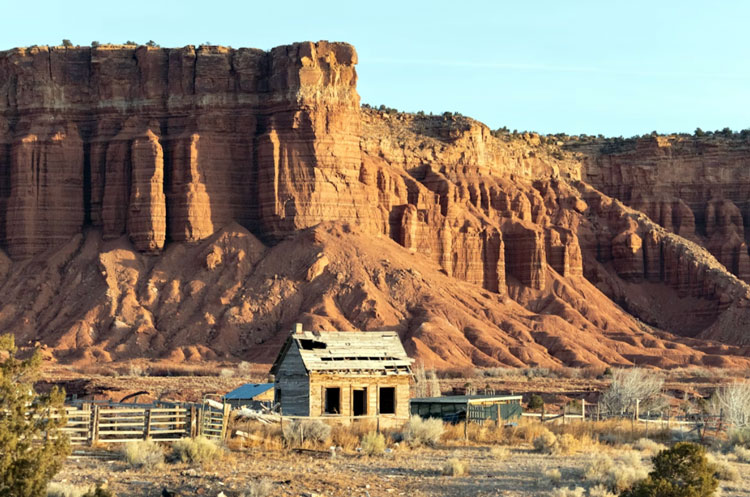
The wind will keep blowing through these old towns as the years pass. They stand as monuments to the people who dreamed big in the Arizona desert. Visiting these sites is a way to honor that history and learn from the past. You can find beauty in the decay and strength in the ruins. Take a drive and see what you can find off the beaten path. The stories of the frontier are waiting for you in the dust.