


Many local businesses and industrial operations are shifting to digital systems to stay competitive. From tracking supply chains to running heavy machinery remotely, software has become a necessity for daily tasks. Managers expect these tools to streamline operations and increase output from day one. When these systems fail, productivity stops entirely.
The Reality of Modern Digital Upgrades
Adopting new software platforms seems like a straightforward way to boost efficiency. Companies invest heavily in modern platforms, expecting immediate improvements in field communication and automated data tracking. These tools need strong support to perform well.

A global survey by a leading professional services firm revealed that 89% of operations leaders feel their technology investments failed to fully deliver the expected results. This disconnect often frustrates managers who expected rapid improvements. The issue typically lies below the application layer.
When software underperforms, teams often blame the application design or the user interface. They spend hours troubleshooting the software itself instead of checking the network path. The actual culprit is frequently the data transport layer, which cannot handle the increased strain. High-speed software demands a continuous pipeline to function correctly.
Infrastructure Support for Industrial Tech
Enterprise systems require strong foundations before any code is deployed. Partnering with GTT or a similar experienced provider allows industrial groups to build the robust framework needed for complex software deployments. This setup keeps applications running smoothly without unexpected data drops. Without solid pipes, even the most expensive cloud systems will stall.
Digital transformation programs fail when planners focus on front-end features rather than back-end connectivity. A steady data stream prevents lag in automated machinery and remote communication tools. When field equipment loses connection, operations grind to a halt.
Local mines and industrial sites cannot afford constant network drops. Every minute of disconnection stalls haul trucks and cuts off communications with supervisors. Investing in a solid network provider prevents these technical gaps from ruining operational efficiency.
Rural and Industrial Connectivity Hurdles
Regional operations face unique difficulties when maintaining strong data connections. Industrial sites, agricultural centers, and mining facilities often sit miles away from major metro network hubs. These remote locations require specialized infrastructure to maintain steady uptimes.
Distance from major cities often means copper lines or standard cables are unavailable. Local operations must deploy creative solutions to keep field offices linked with central databases. A stable connection ensures that real-time data flows smoothly from remote job sites.
Local enterprises must address specific infrastructure challenges to stay operational:

- Microwave links that bridge gaps where physical fiber cables cannot reach.
- Redundant cellular paths to provide backup options during primary line cuts.
- Automated switching tools that transfer data traffic to active lines instantly.
- Hardened field routers that withstand extreme weather and dust.
A single break in a communication line can halt production for hours. Reliable backups prevent these blackouts from disrupting daily field activities. Local supervisors need to know their remote connections remain online through every shift.
Balancing Open Networks and Security Risks
Expanding operational networks introduces new entry points for digital threats. Interconnected machinery requires constant data sharing, which can expose vulnerabilities if left unprotected. Remote access for off-site technicians increases the potential attack surface.
A recent global industrial report highlighted that connectivity enabling real-time orchestration expands exposure to cyber risks, meaning safety and transparency must be built into the network design. This warning highlights the danger of ignoring protection during the planning phase. Industrial networks require deep security protocols to prevent unauthorized access.
Systems that control water pumps, conveyor belts, or mining equipment must be isolated from standard business traffic. Segmenting networks prevents a simple email threat from affecting heavy industrial machinery. Security protocols should monitor data flows day and night.
Strong encryption keeps operational data safe as it moves between corporate offices and rural field sites. Breaches can lead to stolen data or dangerous operational shutdowns. Protecting data pathways is just as crucial as locking the front gate of a facility.
The Rise of Flexible Virtual Providers
Modern enterprises are turning to specialized mobile operators to fill coverage gaps. These specialized partners lease capacity from major towers to build dedicated networks tailored for specific industrial needs. This approach provides custom coverage without the cost of building new physical towers.
Market research from an industry tracking group indicates the full virtual operator segment holds a dominant 61.1% share of its market in 2026. This dominance shows a clear market shift toward adaptable cellular setups. Businesses prefer tailored wireless plans that scale according to site demands.
Virtual networks allow operators to deploy private cellular setups across expansive mining properties or large agricultural fields. These custom cellular zones keep field computers connected even in deep canyons or remote valleys. Having a dedicated network partner improves reliability across rural zones.
These custom networks offer better data speeds and lower latency for critical field applications. Traditional carriers often prioritize general consumer traffic over industrial needs. Virtual operators eliminate this problem by dedicating bandwidth to business operations.
Future Proofing Local Business Networks
Building a resilient network demands clear planning and regular maintenance. Local operators must audit their current bandwidth limits before introducing heavy data applications. Taking time to map out data flows prevents sudden bottlenecks during peak operational hours.
Upgrading hardware before it fails prevents major operational headaches down the road. Small problems in network cables or routers can compound into massive data delays as months pass. Teams should establish routine schedules to inspect all critical connectivity points.
Several steps help organizations maintain steady digital pathways:
- Implement traffic prioritization to keep critical machinery communication online.
- Schedule regular hardware checks to replace aging field modems.
- Train local staff to identify early signs of data slowdowns.
- Establish dual carrier subscriptions to protect against single network blackouts.
Investing in network health protects the company from costly operational field delays. Safe, steady data pipelines keep regional businesses competitive in a fast-moving market. Long-term success relies on making communication networks a top priority.
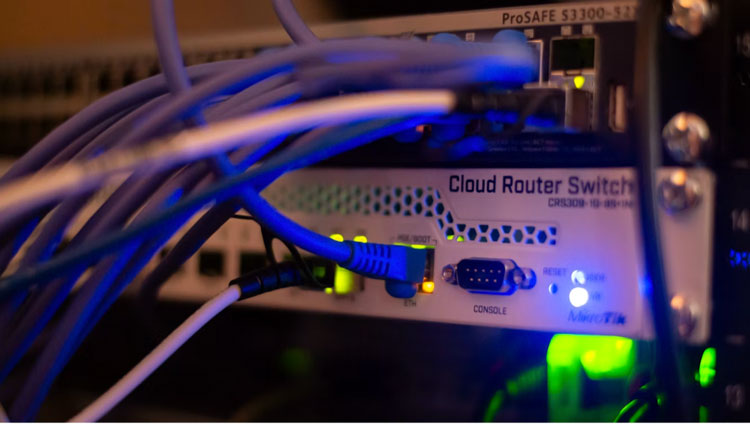
Modern regional industries rely on digital consistency to survive. When communication pathways remain solid, software tools can perform at their highest levels. Leaders must look past the software features and focus heavily on the underlying infrastructure. Building a stable, dependable network ensures that daily field activities proceed without expensive interruptions. Investing in robust infrastructure pays off by keeping operations smooth and secure.