

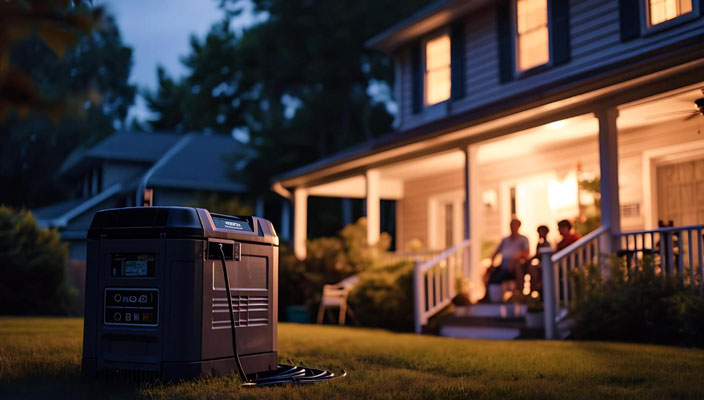
Power outages have a way of arriving at the worst possible moment, plunging homes into darkness during storms, heatwaves, or unexpected grid failures. For families, the loss of power means more than just inconvenience; it can affect food, heating, medical equipment and safety. As extreme weather grows more common, having a backup power plan has shifted from a luxury to a sensible part of home preparedness. Here is why every household should think ahead and how to get started.
The Rising Importance of Backup Power
Our homes depend on electricity more than ever. From refrigerators and heating systems to internet, phones, and medical devices, a steady power supply underpins daily life. When that supply fails, even briefly, the disruption can be significant. Longer outages can spoil food, leave homes dangerously cold or hot, and cut families off from communication.

With weather patterns becoming less predictable, outages are an increasing reality for many communities. Preparing in advance means you are not caught off guard. A backup power plan gives you peace of mind, knowing your household can keep functioning even when the grid goes down. It is a small investment in resilience that pays off when you least expect it.
Understanding Your Power Needs
Before choosing any solution, it helps to understand exactly what you need to keep running during an outage. Make a list of your essentials, such as the refrigerator, a few lights, heating or cooling, and any critical medical equipment. This gives you a clear sense of how much power you require and helps you avoid over- or under-preparing.
Different households have very different priorities. A family relying on medical devices will have non-negotiable needs, while others may simply want to keep the essentials going. Taking the time to assess your situation ensures that whatever solution you choose genuinely fits your life. Clarity here makes every subsequent decision far easier and more cost-effective.
Choosing the Right Generator
For many homes, a generator is the backbone of a backup power plan. Generators come in various sizes and types, from portable units that cover the basics to standby systems that power the whole house automatically. The right choice depends on your needs, your budget, and how much convenience you want during an outage.
Working with knowledgeable specialists makes this decision much simpler. Providers such as Oregon Generators can help you understand the options and find a system suited to your home. Professional guidance ensures you choose appropriately sized equipment and have it installed safely, which is essential for both performance and protection. Expert input takes the guesswork out of an important purchase.

Portable Versus Standby Options
One of the key decisions is whether to opt for a portable generator or a permanent standby system. Portable units are more affordable and flexible, ideal for powering a few essentials, but they require manual setup and refueling. They suit households wanting a budget-friendly safety net for occasional outages.
Standby generators, by contrast, are installed permanently and switch on automatically when the power fails. They can run the whole home and offer the greatest convenience, though at a higher cost. Weighing convenience against budget helps you decide which type fits your circumstances. There is no single right answer, only the option that best matches your needs and priorities.
Safety First With Backup Power
Whatever solution you choose, safety must come first. Generators produce exhaust fumes and must never be run indoors or in enclosed spaces, as carbon monoxide is deadly. Proper placement, ventilation, and installation are essential to keep your family safe while keeping the lights on.
Government resources such as Ready.gov offer trusted guidance on emergency preparedness, including the safe use of generators. Reviewing this kind of advice before an emergency strikes is well worth the time. Combining the right equipment with safe practices ensures your backup power keeps you protected rather than introducing new risks into your home.
Building a Broader Preparedness Plan
A generator is a cornerstone of preparedness, but it works best as part of a wider plan. Keeping torches, batteries, bottled water, non-perishable food, and a first-aid kit on hand rounds out your readiness. Having a plan for communication and knowing how to stay informed during an emergency adds further security.

Think of backup power as one piece of a larger resilience strategy. When the various elements work together, your household is far better placed to handle whatever comes its way. A little preparation across these areas turns a potentially stressful outage into a manageable inconvenience, keeping your family safe and comfortable throughout.
Peace of Mind for the Whole Family
Ultimately, a backup power plan is about peace of mind. Knowing that your home can keep running during an outage removes a significant source of worry, especially for families with young children, elderly relatives, or medical needs. That reassurance is genuinely valuable in an uncertain world.
So if you have never given backup power much thought, now is the time to start. Assess your needs, explore your options with trusted professionals, and put safe, sensible measures in place. With a solid plan ready, you can face the next outage with confidence, knowing your household is prepared to weather the storm.