
Air conditioners rarely fail without warning. Trouble often starts with softer clues, such as patchy cooling, damp odor, louder startup, or longer run times. Those changes matter because indoor heat can rise quickly, especially during severe summer weather. Early attention helps limit equipment strain, reduce avoidable expense, and keep daily routines stable. A prompt response also gives households a clearer sense of what needs repair, how urgent the issue is, and what service usually involves.
Early Warning Signs
Most households first notice a problem when the thermostat reading no longer matches the room’s actual temperature. At that stage, air conditioning repair in Las Vegas often becomes necessary when weak airflow, warm vents, short cycling, or sticky indoor air persist beyond a brief weather swing. Those signs can indicate sensor faults, refrigerant loss, blocked filters, or stressed electrical components, each of which can cause broader system wear if ignored.
Strange Sounds and Odors
A sound unit usually runs with a low, steady hum. Rattling may suggest a loose panel or shifting hardware. Squealing can signal motor strain or worn bearings. Buzzing sometimes points to voltage trouble. Odor matters too. A musty smell may reflect moisture near the coil or drain. A burning scent requires urgent service because overheated wiring can pose a serious safety risk.
Weak Airflow
Low airflow often starts as a minor comfort issue and then spreads throughout the house. A loaded filter is common, yet frozen coils, duct blockage, or blower failure can also restrict circulation. One hot bedroom and one cool hallway often signal uneven distribution rather than poor thermostat settings. If airflow remains limited after a filter change, professional diagnosis is usually necessary.
High Bills and Hot Spots
An unexplained increase in utility cost often means the system is working harder than it should. Longer cycles place added stress on motors, capacitors, and compressors. Rooms that stay warm after sunset can also signal a decline in cooling capacity. Frequent stops and restarts waste energy and wear internal parts faster. Those patterns usually justify a service visit before a larger mechanical failure develops.
Checks Before Calling
Several basic checks can rule out simple causes. The thermostat should be set to cooling mode, with fresh batteries if needed. Filters should be free of packed dust. A blocked return grille can also reduce circulation. The breaker panel deserves a quick look for a tripped switch. If those items appear normal, and comfort still drops, a technician is the next step.
What the Visit Includes
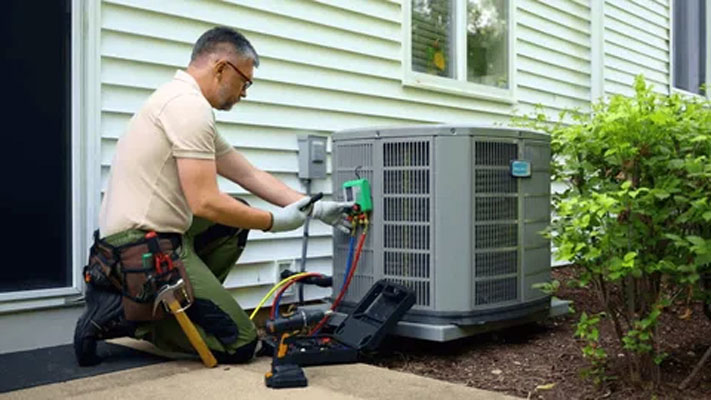
During a repair appointment, a technician usually checks airflow, thermostat response, electrical readings, coil condition, drain function, and refrigerant status. The outdoor unit may also be inspected for debris, fan issues, or damaged wiring. Reliable service starts with a clear diagnosis before replacing parts. Households should expect an explanation of the cause, the proposed fix, and whether the problem poses a risk of further damage.
Repair or Replacement
Repair often makes sense when the fault is limited, and the equipment still has useful service life. Replacement deserves discussion after repeated breakdowns, rising parts costs, or poor efficiency over several seasons. Age matters, though condition matters more. A well-kept unit may justify repair longer than a neglected one. A careful contractor should explain both paths in clear terms and set realistic cost expectations.
Timing and Cost Factors
Repair cost depends on the failed component, labor time, access conditions, and whether the call happens during peak demand. A thermostat fault may be modest, while compressor trouble can become expensive quickly. Refrigerant leaks also require careful testing and repair, rather than simple refilling. Waiting through repeated symptoms usually increases strain, which can widen the damage and raise the final invoice.
Conclusion
Calling for service at the right time helps protect comfort, budget, and equipment life. Weak airflow, sharp odors, unusual sounds, climbing bills, or uneven room temperatures deserve attention before they worsen. A repair visit typically includes testing, diagnosis, and a clear recommendation based on system condition. With timely care, many cooling problems remain manageable, and households can move forward with better information, steadier comfort, and fewer unwelcome surprises.