

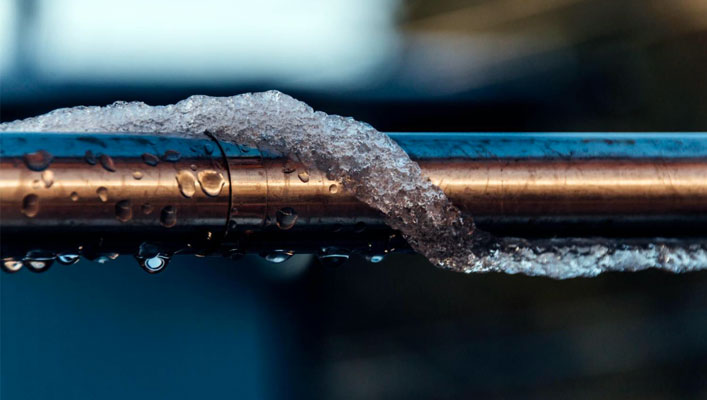
Frozen pipes are often thought of as a problem for places with long, harsh winters, but they can happen almost anywhere temperatures dip below freezing. In fact, homes in milder climates can be especially vulnerable, because pipes are more likely to run through uninsulated walls, attics, crawl spaces, and exterior walls. A single cold night can be enough to freeze an exposed line.
When water freezes, it expands. That pressure can crack pipes and fittings, and the real damage often appears when the ice thaws and water starts flowing through the break. Knowing what to do quickly can make the difference between a small repair and major water damage.
Signs a Pipe Has Frozen
The first warning sign is often a faucet that produces only a trickle or no water at all when temperatures are low. You may see frost on exposed pipes, hear unusual sounds when opening a tap, or notice a sudden drop in water pressure. Pipes in garages, crawl spaces, basements, exterior walls, and mechanical rooms are most at risk, along with lines close to foundations and outdoor spigots.

If you suspect a frozen pipe, act before it bursts.
If a Pipe Has Burst, Shut Off the Water First
A burst pipe can release a large amount of water in minutes, soaking insulation, damaging drywall and spreading under flooring. The most important step is to stop the water. Every household should know where the main water shutoff valve is located, which is often near where the water line enters the house, in a basement, garage, utility room, or outdoor box near the street.
Turn the valve clockwise to close it. If you cannot find it or cannot turn it, contact your water utility right away. If water is near electrical outlets, appliances, or the electrical panel, shut off power to the affected area if it is safe to do so.
Once the water is off, open faucets to drain remaining water from the lines, and start removing standing water with towels, mops, or a wet vacuum. Move furniture, rugs, and belongings away from wet areas.
Call a Professional
Burst pipes almost always need professional repair. A licensed plumber can locate the break, repair or replace damaged sections, and check other pipes that may have frozen. Many plumbers offer emergency service, and handling burst frozen pipes quickly helps limit damage to walls, floors, and insulation.
Take photos of the damage for your insurance company, and contact your insurer promptly. Water damage restoration specialists can help dry out walls, floors, and cabinets to prevent mold.
Thawing a Frozen Pipe Safely
If a pipe is frozen but has not burst, you may be able to thaw it carefully. Start by opening the faucet the pipe feeds, so water can flow once the ice begins to melt. Then apply gentle heat to the frozen section, starting closest to the faucet and working back toward the frozen area.

Safe heat sources include a hair dryer, a heating pad, warm towels, or a portable space heater placed at a safe distance. Never use an open flame, such as a propane torch, to thaw pipes. Flames can damage pipes, start fires and create serious safety risks. Keep applying heat until full water pressure returns.
If you cannot find the frozen section, cannot reach it, or the pipe is inside a wall, call a plumber.
Preventing a Repeat
Once the immediate problem is solved, take steps to keep it from happening again. Insulate exposed pipes in unheated areas with foam pipe sleeves or heat tape designed for plumbing. Seal gaps and cracks around foundations, windows, and where pipes enter the house, so cold air cannot reach the lines.
Before a cold snap, disconnect and drain garden hoses, shut off and drain outdoor faucets, or install frost-proof spigots. Keep garage doors closed. Open cabinet doors under sinks on exterior walls so warm air can reach the pipes. Let faucets drip slightly on the coldest nights, which keeps water moving and relieves pressure.
If you leave home during winter, keep the heat on, even if set lower than usual. For longer absences, consider shutting off the main water supply and draining the system.
Consider Upgrades
For homes that experience repeated freezing, a plumber can recommend longer-term solutions, such as rerouting vulnerable pipes, adding insulation in walls or crawl spaces or installing smart leak detectors and automatic shutoff valves that close the water supply when a leak is detected.
The American Red Cross offers practical guidance on preparing homes for winter weather, including how to prevent frozen pipes.
Be Ready Before the Cold Arrives
Frozen and burst pipes can cause costly damage, but quick action and simple prevention make a big difference. Know where your shutoff valve is, keep vulnerable pipes insulated, thaw frozen lines safely and call a professional when a pipe bursts. A little preparation before the next cold snap can save a lot of trouble.