


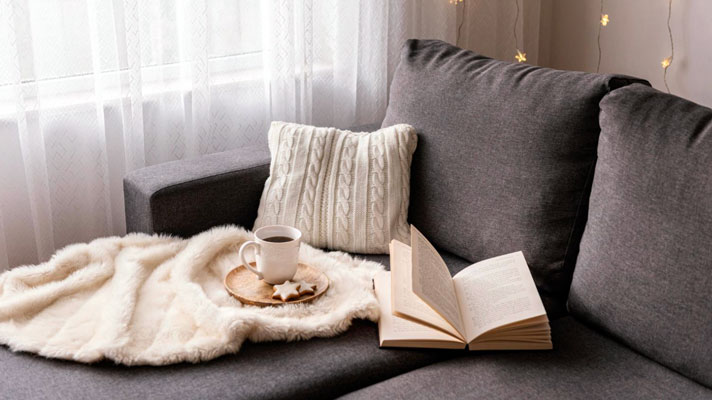
Winter in the Gila Valley is gentle compared with much of the country, but the evenings can still turn surprisingly cold. Once the sun drops behind the mountains, temperatures fall quickly, and a home that felt bright and airy in October can start to feel a little chilly and bare. The days are shorter, too, and more time is spent indoors.
The good news is that making a home feel warm and inviting does not require a renovation or a big budget. A few thoughtful changes to textiles, lighting, and seating can transform the way a room feels from December through February.
Begin With Seating That Invites You to Stay
Comfort starts with where you sit. In winter, people naturally spend more time in the living room, reading, watching movies, or talking long after dinner. Seating that lets you stretch out, curl up, and settle in makes those evenings more enjoyable.
Deep sofas, generous sectionals and reclining chairs all work well. Recliners in particular let you adjust your position for reading, napping, or putting your feet up after a long day. If you are rethinking your living room, it is worth considering how creating a cozy home for winter begins with furniture that is built for lingering, not just for looks.

You do not need to replace everything to get there. Rearranging seating into a tighter, more conversational layout can make a large room feel more intimate. Pulling chairs a little closer together, or angling them toward a fireplace or window, creates a natural gathering spot.
Add Soft Layers Everywhere
Textiles are the fastest way to add warmth to a room. Throw blankets draped over the arm of a sofa, extra pillows in rich colors and textures, and a soft rug underfoot all make a space feel more welcoming.
Mixing materials adds depth. Velvet, wool, chunky knits and faux fur feel warm to the touch and catch light in interesting ways. Keep a basket of blankets near the sofa so they are always within reach. Swapping lighter summer cushion covers for heavier fabrics in deeper tones is a simple seasonal change that makes a noticeable difference.
Warm Up Cold Floors
Tile, concrete, and hardwood floors are practical in a warm climate, but they can feel cold on winter mornings. A thick area rug changes that immediately. It adds warmth underfoot, absorbs sound, and helps define a seating area within an open floor plan.
Choose a size large enough for at least the front legs of your sofa and chairs to rest on it. That ties the furniture together and makes the space feel intentional. Neutral shades such as grey, cream, or warm taupe hide everyday wear well and work with most color schemes.
Rethink Window Coverings
Windows can be a source of drafts and heat loss on cold nights. Heavier curtains help keep the warmth inside and make a room feel more enclosed and comfortable after dark. Thermal-lined curtains, cotton canvas, and wool blends all add insulation while softening the look of a room.

Hang curtains slightly above the window frame and let them fall to the floor to make the room feel taller and more finished. Open them during sunny days to let natural light and warmth in, then close them in the evening to hold that heat. The US Department of Energy explains how different window coverings can reduce heat loss in winter and help with comfort and energy use.
Layer Your Lighting
Lighting has an enormous effect on mood, and winter is when it matters most. A single bright overhead light can make a room feel flat and cold. Layered lighting, with several softer sources at different heights, creates a warmer and more relaxing atmosphere.
Combine floor lamps, table lamps, and wall lights, and use bulbs with a warm color temperature. Dimmers let you adjust the brightness as the evening goes on. String lights along a shelf or mantel add a gentle glow, and flameless candles offer the look of candlelight without an open flame, which is especially useful in homes with pets.
Bring the Outdoors In
Natural accents add texture and a sense of the season. Pinecones in a bowl, branches in a tall vase, dried flowers, wooden trays, and woven baskets all bring warmth into a room without making it feel cluttered. In the desert Southwest, pieces like pottery, natural wood, and woven textiles suit the surrounding desert beautifully and stay relevant long after the holidays.
The advantage of natural decor is that it is easy to change. When spring arrives, you can swap winter pieces for lighter ones in minutes.
Create One Perfect Cozy Corner
If you only do one thing, make a single dedicated spot for relaxing. Pair a comfortable chair with a soft blanket, a small side table, and a good reading lamp. Place it near a fireplace, a heater, or a sunny window if you can. Add a book, a cup of something warm, and a few quiet minutes, and you have a place that makes winter something to look forward to.
Comfort Is the Goal
A cozy home is not about following trends. It is about creating spaces where you and the people you live with feel relaxed and at ease. With layered textiles, warm lighting, and seating that invites you to stay, any home can feel like a retreat through the coldest months of the year.