

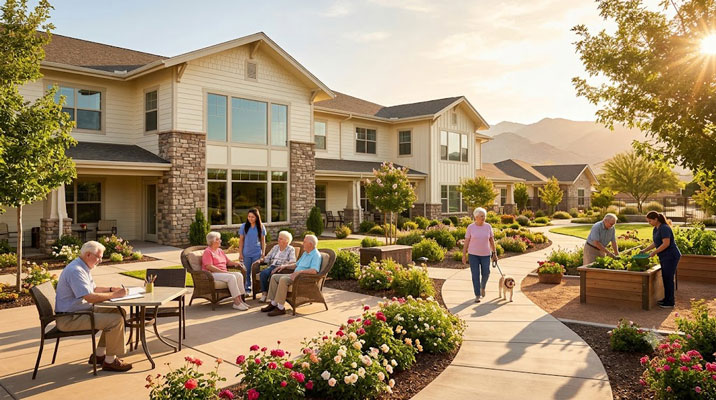
Longer life expectancy has changed what older adults and families need from housing. Premium senior living now suggests clinical vigilance, steady routines, and spaces that reduce physical strain. Attractive finishes matter less than reliable medication support, safe mobility, and meaningful social contact. Strong communities protect dignity while helping residents adapt to arthritis, memory loss, sensory decline, and slower recovery after illness or surgery.
Choice With Continuity
One issue shapes many housing decisions: whether care can increase without another disruptive relocation. That concern often drives interest in senior living in Fort Lauderdale, where independent living, assisted living, and memory support share a single address. This arrangement can reduce transfer stress, help spouses remain near each other, and give families a clearer path when mobility, cognition, or medication needs change.
Care That Stays Ready
Premium care is visible in staffing patterns, response times, and clinical oversight. Licensed nurses, overnight support, medication management, and access to rehabilitation help residents through sudden setbacks. Infection control also matters because older immune systems respond less efficiently to respiratory illness. Families usually benefit when communication is direct, symptom changes get documented early, and follow-up after hospitalization begins without delay.
Daily Life Still Matters
Health support alone does not create a good life. Appetite, movement, sleep quality, and mood all improve when days have rhythm. Thoughtful dining, exercise classes, transportation, and planned gatherings support that rhythm. Small routines carry physiological value because regular walking helps joint function and digestion. Social contact also lowers isolation, which can worsen depression, confusion, and physical inactivity in later years.

Space Should Reduce Friction
Well-planned design can preserve independence without calling attention to itself; bright corridors, clear sightlines, supportive handrails, and accessible bathrooms lower fall risk. Flooring should reduce glare, because visual contrast becomes harder to process with age. Shared areas matter as much as private rooms. Comfortable dining spaces, quiet patios, and activity rooms invite participation while respecting fatigue, hearing changes, and personal pace.
Memory Support Needs Depth
Cognitive care requires more than secure doors and a calm paint palette. Effective programs use repetition, sensory cues, trained staff, and predictable schedules. Residents with dementia often function better when noise remains controlled, and tasks follow a familiar order. Families should look for evidence of careful assessment, behavior tracking, and activity planning. Surface polish cannot replace skilled observation or informed response.
Hospitality Has a Purpose
Hospitality earns value when it supports health, not image. Housekeeping reduces trip hazards and lowers the burden of daily chores. Reliable transportation helps residents keep medical appointments and community ties. A well-run dining room encourages regular meals, which protect strength and hydration. Respectful service also matters emotionally. Older adults deserve assistance that preserves autonomy rather than creating dependence or embarrassment.
Location Changes the Experience
A community’s setting shapes daily life in practical ways. Proximity to hospitals, specialists, pharmacies, parks, and faith centers can ease the routine demands on residents and their relatives. Access to outdoor space also supports circadian rhythm, mood stability, and light exercise. Familiar surroundings have value during transition. People often adjust better when errands, visits, and cultural habits remain within comfortable reach.
Flexibility Supports Couples
Couples often age along different clinical paths. One partner may need help with transfers or medication schedules while the other remains largely independent. Communities with several care levels under one roof can protect closeness during that mismatch. Fewer moves usually mean less emotional upheaval and better continuity. Families also gain time to make decisions without reacting to each new change as a crisis.
Preparation Builds Trust
Emergency planning is part of premium care, especially in coastal Florida. Older adults face a higher risk during storms, heat exposure, and power loss, because chronic illness can worsen quickly under stress. Communities should show clear evacuation plans, backup systems, staff drills, and supply readiness. Families tend to trust operators who prepare for difficult weeks, not just ordinary days with stable weather.
Conclusion
Premium senior living for an aging population is best judged by function, not display. The strongest communities combine medical readiness, thoughtful design, daily structure, and respectful service in one setting. That balance helps older adults stay safer, remain socially connected, and preserve control as health needs shift. For families weighing long-term options, quality becomes clear where clinical support and ordinary living work side by side.