

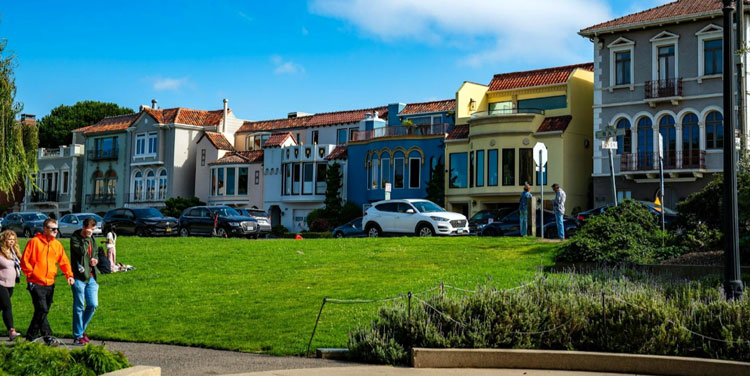
A neighborhood is more than a collection of homes built within the same area. While houses, streets, parks, and amenities contribute to the physical environment, the true character of a community is shaped by something less tangible. It comes from the sense of belonging residents feel, the quality of shared spaces, and the everyday experiences that encourage people to connect with one another.
Some neighborhoods immediately feel welcoming. Residents know their neighbors, common areas are well-maintained, and community events create opportunities for interaction. Others may have attractive homes and desirable locations, but lack the elements that bring people together.
As communities continue to grow and evolve, many homeowners are paying closer attention to the factors that transform a neighborhood from simply a place to live into a place people genuinely enjoy calling home.
Shared Spaces Create Shared Experiences
One of the most important ingredients of a strong community is the presence of shared spaces. Parks, walking trails, clubhouses, pools, playgrounds, and gathering areas provide opportunities for residents to interact naturally.
These spaces often become the backdrop for everyday conversations and relationships. Parents meet while supervising children at playgrounds. Neighbors connect during evening walks. Community events bring together residents who may otherwise never cross paths.
When shared amenities are maintained properly and remain accessible to residents, they encourage engagement and help strengthen social connections throughout the neighborhood. The physical environment alone cannot create community, but it can provide the setting where community develops.
Consistency Often Matters More Than Major Improvements
Many people assume that creating a desirable neighborhood requires large-scale projects or expensive upgrades. In reality, consistency often has a much greater impact.
Regular landscaping, prompt maintenance, clean common areas, and responsive communication help create a sense of stability that residents notice every day. These ongoing efforts may not attract headlines, but they contribute significantly to how homeowners feel about where they live.
Communities that maintain high standards over time often foster greater resident satisfaction than those that focus only on occasional major improvements. The small details shape everyday experiences, and those experiences ultimately influence how residents view their neighborhood.
The Role of Effective Community Management
Strong communities rarely happen by accident. Behind many successful neighborhoods is a structure that helps coordinate maintenance, financial planning, resident communication, and long-term community goals.

Many of the neighborhoods that run smoothly behind the scenes benefit from experienced management support. Community boards are often made up of volunteers who balance their responsibilities with careers, family obligations, and other commitments, making outside expertise valuable. Lifetime HOA works with homeowner associations on a wide range of day-to-day responsibilities, including resident communication, financial administration, vendor relationships, and the upkeep of shared community spaces. This support helps communities stay organized while ensuring that important operational tasks receive consistent attention.
With administrative and operational responsibilities handled efficiently, board members can spend more time focusing on long-term goals, resident engagement, and initiatives that strengthen the overall quality of life within the neighborhood.
Communication Builds Trust
Even the most beautiful neighborhood can face challenges when communication is lacking. Residents want to understand what is happening within their community. They want updates about projects, maintenance schedules, community guidelines, and upcoming events. When information is difficult to access or inconsistent, misunderstandings can develop quickly.
Open communication creates transparency and trust. It helps residents feel informed and involved rather than disconnected from decisions that affect their daily lives. Technology has made this process easier than ever. Online portals, email updates, digital newsletters, and community websites allow associations and residents to stay connected in ways that were difficult to achieve only a few years ago. Neighborhoods that prioritize communication often experience stronger resident engagement and greater overall satisfaction.
A Sense of Belonging Cannot Be Manufactured
While management practices and amenities play important roles, the strongest communities also foster a genuine sense of belonging. People want to feel that they are part of something larger than their individual household. Community events, volunteer opportunities, neighborhood initiatives, and social activities can all contribute to this feeling.
Whether it is a seasonal gathering, a neighborhood cleanup project, or a simple welcome program for new residents, these efforts encourage interaction and help build relationships over time. Strong communities are often defined not by the size of their budgets but by the strength of the connections between residents.
Community Design Continues to Influence Quality of Life
Urban planners, developers, and housing experts increasingly recognize the relationship between community design and resident well-being. Walkability, access to outdoor spaces, gathering areas, and opportunities for social interaction all contribute to how people experience their neighborhoods. Communities that encourage engagement often create environments where residents feel more connected and invested in their surroundings.
The New York Times has frequently explored how neighborhood design, public spaces, and community interaction influence quality of life. These discussions highlight an important reality: people are often happiest in places where opportunities for connection exist naturally as part of daily life. As new residential developments continue to emerge, many planners are placing greater emphasis on these human-centered aspects of community design.
Long-Term Success Depends on Resident Engagement

No community can thrive solely because of its amenities or management structure. Residents themselves play a vital role in shaping the neighborhood experience. Engaged homeowners are more likely to participate in community initiatives, attend meetings, volunteer for committees, and contribute ideas that improve the neighborhood. Their involvement helps create a sense of shared responsibility that benefits everyone.
Communities often become stronger when residents view themselves as active participants rather than passive observers. This collective investment creates resilience and helps neighborhoods adapt to changing needs over time.
The Best Communities Focus on Everyday Living
When people think about desirable neighborhoods, they often focus on property values, amenities, or location. While these factors matter, the qualities that truly define a community are often much simpler.
A well-maintained environment, effective communication, opportunities for connection, and a shared sense of pride all contribute to the experience of living in a neighborhood. These elements influence daily life in ways that residents may not always notice consciously but appreciate over time.
The strongest communities are rarely built through one major initiative. They emerge gradually through consistent effort, thoughtful planning, and meaningful engagement among residents.
In the end, what makes a neighborhood feel like a community is not the physical infrastructure alone. It is the combination of people, shared experiences, and ongoing commitment to creating a place where residents feel connected, supported, and proud to live.