

Whether you’re training for a marathon, spending hours in the gym, playing sports several times a week, or simply increasing your daily activity level, your feet absorb more punishment than almost any other part of your body. They support your weight, absorb impact, maintain balance, and help transfer force with every step, jump, sprint, and change of direction.
Yet despite their importance, feet are often one of the most neglected parts of a training routine. Many athletes pay close attention to nutrition, recovery, mobility, and strength training while ignoring the body part that makes nearly every physical activity possible.
The reality is that training places significant stress on the feet. Understanding what happens during that process can help prevent discomfort, reduce injury risk, and keep you moving comfortably for years to come.
Your Feet Absorb Thousands of Impacts Every Day
Even moderate exercise creates a remarkable workload for the feet. Running, walking, court sports, field sports, and gym training all generate repeated impact forces that travel through the foot and into the rest of the body.
During a typical run, the feet may strike the ground thousands of times. Each landing requires muscles, tendons, ligaments, and joints to work together to absorb force and maintain stability. Over time, this repetitive stress can contribute to soreness, fatigue, and wear if recovery and support are neglected.

The more consistently someone trains, the more important it becomes to pay attention to foot health rather than treating discomfort as something that should simply be ignored.
Small Problems Tend to Become Bigger Ones
Many training-related foot issues begin as minor annoyances. A small hotspot, slight irritation, mild soreness, or recurring tightness may seem insignificant initially.
The problem is that athletes often continue training through these early warning signs. When minor issues are repeatedly ignored, they can gradually affect movement patterns and place additional stress on other areas of the body.
A small foot problem can eventually influence ankle mobility, knee mechanics, hip movement, and overall performance. This is one reason experienced coaches often encourage athletes to address discomfort early rather than waiting for it to become a more serious issue.
Paying attention to small changes is often one of the most effective forms of injury prevention.

Recovery Matters as Much as Training
Many people think about recovery in terms of muscles, but the feet also need time to recover from repeated stress. Long runs, intense workouts, tournaments, and high-volume training periods can leave the feet fatigued even when the rest of the body feels relatively normal.
Simple recovery habits can make a significant difference. Stretching the calves, maintaining mobility, wearing appropriate footwear, and giving the feet opportunities to rest all help support long-term comfort.
Long training sessions can leave feet dry, rough, and prone to developing hardened skin, particularly around the heels. Many runners and gym-goers make foot maintenance part of their recovery routine, using pumice stones, moisturizers, and products from https://nuvebrand.com/ to keep their feet in better condition between training sessions.
Footwear Is Only Part of the Equation
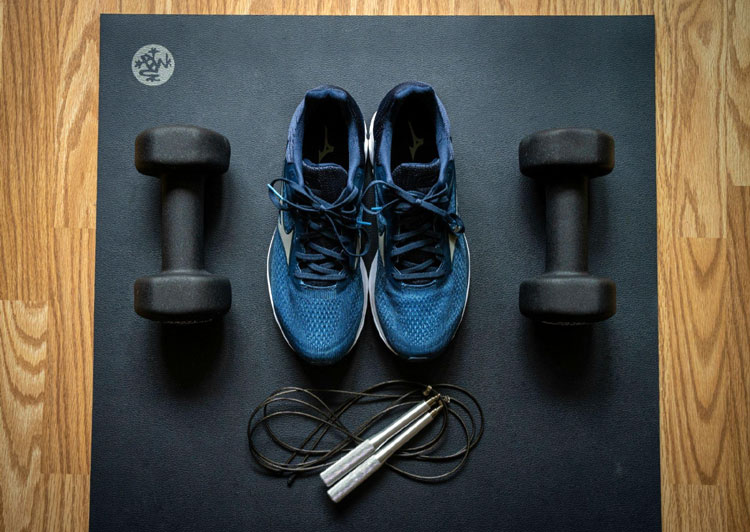
Shoes receive most of the attention when foot health is discussed, and for good reason. Proper footwear can help reduce unnecessary stress and provide support appropriate for specific activities.
However, footwear alone cannot solve every issue. Strength, mobility, flexibility, training volume, recovery habits, and technique all contribute to how the feet feel over time.
Athletes sometimes spend significant amounts of money on new shoes while overlooking factors such as overtraining, poor recovery, or sudden increases in workload. Addressing those variables often produces better results than relying solely on equipment changes.
A comprehensive approach tends to be more effective than searching for a single solution.
Strong Feet Support Better Movement
The feet contain numerous muscles that contribute to stability and movement. Like other muscles throughout the body, these structures benefit from regular use and appropriate training.
Exercises that improve balance, stability, mobility, and foot strength can help support overall athletic performance. Stronger feet often contribute to better movement efficiency and may help reduce certain injury risks.
These exercises do not need to be complicated. Consistent attention to foot function can produce meaningful benefits over time without requiring major additions to a training program.
Often, the simplest habits are the ones that provide the greatest long-term value.
Looking After Your Feet Is an Investment in Future Training
Athletes frequently focus on performance goals, competition schedules, and training milestones. While those objectives are important, maintaining the ability to train comfortably year after year is equally valuable.
Healthy feet support every aspect of movement. They help absorb force, maintain balance, and allow athletes to perform at their best. When foot health is neglected, training becomes more difficult and enjoyable activities can become increasingly uncomfortable.
Fortunately, looking after your feet does not require dramatic changes. Paying attention to recovery, addressing small problems early, maintaining appropriate footwear, and supporting overall foot function can make a significant difference over time.
The more you train, the more important these habits become. After all, every mile, workout, and game starts from the ground up.