Summer utility bills often spike without warning, leaving homeowners confused about the sudden increase in energy costs. Unexpected rises in cooling expenses frequently point to hidden mechanical problems within an air conditioning system. Several concealed failures can force cooling equipment to consume more electricity while delivering progressively worse performance.
Signs you need air conditioning repair include steadily climbing monthly bills even when thermostat settings remain unchanged. A system that runs longer but cools less effectively typically suffers from an undiagnosed mechanical issue. This article provides a detailed look at five hidden failures that drive summer energy bills higher.
Hidden Ductwork Air Leaks
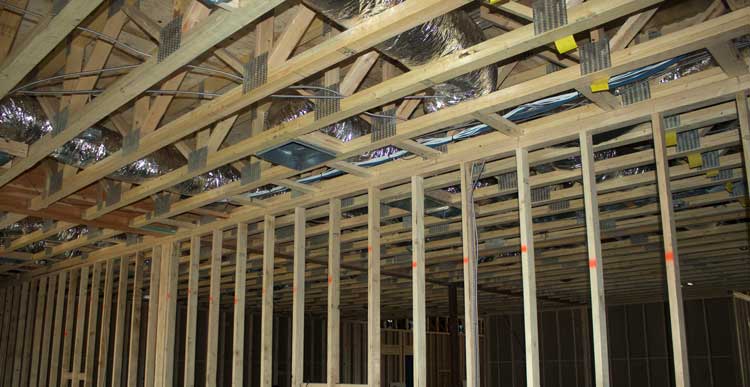
Air ducts hidden behind walls or above ceilings develop small leaks at joints and connections over time. Each leak allows conditioned air to escape into unoccupied spaces before reaching living areas. Static pressure loss occurs when escaping air reduces the volume available for delivery through supply registers. This pressure drop forces the HVAC system to run longer cycles just to maintain target temperatures. Professional airflow testing and duct inspections identify these concealed leaks using pressure diagnostics and thermal imaging. Sealing leaky ductwork eliminates energy waste caused by conditioned air escaping into attics or crawl spaces.
Dirty Condenser Coil Buildups
The outdoor condenser coil releases heat absorbed from inside the home into the outside air. Dirt, dust, pollen, and debris accumulate on coil surfaces, creating an insulating layer that blocks proper heat transfer. This buildup forces the compressor to work harder and run longer to push heat through the dirty coil surface. Reduced cooling efficiency follows as the system consumes more electricity while delivering less temperature change per operating minute. Industry findings confirm that blocked condenser coils can increase energy demand by approximately twenty to forty percent. Professional coil inspection and maintenance procedures restore proper heat transfer and reduce compressor workload substantially.

Low System Refrigerant Levels
A properly sealed air conditioning system maintains stable refrigerant levels for the entire equipment lifespan. Refrigerant shortages almost always indicate a physical leak somewhere in the evaporator coil, line set, or condenser connections. When the refrigerant drops below manufacturer specifications, the system loses its ability to absorb adequate heat from indoor air. Cooling performance declines while the compressor strains against improper pressure conditions, consuming excess electricity.
Failing Blower Motor Bearings
Indoor blower motors contain bearings that allow smooth rotation of the fan shaft at high speeds. These bearings wear down over time, creating mechanical resistance that forces the motor to draw higher amperage. High amperage draw translates directly into increased electricity consumption for every minute the system operates. Unusual sounds such as grinding, squealing, or rattling accompany worn bearings before complete motor failure occurs.
Professional motor diagnostics include amperage testing, vibration analysis, and bearing evaluation to identify failing components. Replacing a motor with worn bearings restores normal current draw and eliminates excess energy consumption.
Hire an Experienced and Certified AC Repair Service Provider
Homeowners seeking air conditioning repair should prioritize providers with certified technicians and documented diagnostic experience. Professional diagnostics begin with systematic testing of duct pressure, refrigerant levels, motor amperage, and coil cleanliness. Certified technicians follow established protocols that identify hidden failures rather than guessing at possible causes.
Homeowners should schedule a professional inspection when any of the following indicators appear:
- Grinding or squealing sounds from the indoor air handler suggest worn blower motor bearings that increase electrical consumption.
- Room temperatures vary significantly from one area to another, indicating duct leaks or airflow distribution problems.
- Monthly bills rise steadily despite consistent thermostat settings and normal summer weather conditions.
- The system runs continuously without reaching the set temperature, pointing to low refrigerant or dirty condenser coils.
- Airflow from supply registers feels weak or inconsistent, signaling duct restrictions or blower motor performance loss.
Recognizing signs you need air conditioning repair, such as rising bills and longer run times, prevents minor failures from becoming expensive problems. Professional AC repair from certified technicians addresses hidden duct leaks, dirty coils, low refrigerant, and failing motor bearings. Homeowners should schedule a complete system inspection whenever summer utility bills climb without a clear explanation.