
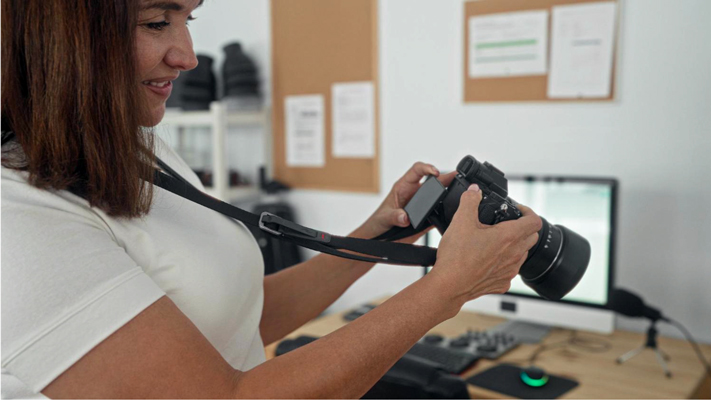
Images have become one of the most valuable assets in digital publishing. Whether illustrating a local news story, promoting a business, supporting educational content, or building a company’s online presence, photography helps capture attention and communicate ideas more effectively than text alone. Yet while finding high-quality visuals has become easier, understanding how those images can legally be used remains an area where many publishers and businesses make costly mistakes.
Stock photography has made professional imagery accessible to organizations of every size, but using those images responsibly requires more than simply downloading an attractive photo. Knowing how licensing works is essential for protecting both creators and publishers while ensuring visual content can be used with confidence.
Every Photograph Is Protected By Copyright
One of the most common misconceptions is that an image found online is automatically free to use.

In reality, photographs are protected by copyright from the moment they are created. Unless the creator has explicitly granted permission or the image is available under a suitable license, using it without authorization may result in copyright infringement.
For publishers, businesses and marketing teams, understanding these legal basics helps prevent unnecessary disputes while supporting photographers whose work contributes to the creative industry.
Stock Licensing Makes Professional Content More Accessible
Rather than negotiating individual agreements with photographers for every project, many organizations rely on stock photography platforms that provide clearly defined licensing terms.
Understanding stock photo licensing allows publishers to choose images with confidence, knowing how they may be used across websites, advertising campaigns, social media, editorial content or commercial projects. Clear licensing information removes much of the uncertainty surrounding copyright while making professional photography more accessible to businesses of every size.
As digital publishing continues expanding, this transparency has become increasingly valuable for both content creators and image users.
Editorial And Commercial Use Are Not The Same
One of the most important distinctions within image licensing involves the difference between editorial and commercial use.
Editorial images are generally intended to illustrate news reporting, educational articles or factual content. Commercial use, on the other hand, typically involves advertising, marketing or promoting products and services.

Understanding this distinction is essential because an image licensed for editorial purposes may not necessarily be appropriate for commercial advertising. Reviewing license terms before publication helps avoid misunderstandings and ensures content is used within the permitted scope.
Good Record-Keeping Protects Publishers
Managing image licenses is becoming an increasingly important part of digital publishing.
Many organizations now maintain internal records showing:
- where each image originated,
- which license applies,
- when it was downloaded,
- and how it may be used.
Although this administrative work may seem minor, organized documentation can prove invaluable if questions arise months or even years after publication.
A structured workflow also helps larger editorial teams maintain consistency across multiple projects.
Quality Licensing Supports Professional Creators
Licensing benefits more than the organizations using images.
Professional photographers invest significant time, expertise and equipment into creating original work. Licensing systems ensure creators receive appropriate compensation while allowing businesses to access professional content legally and efficiently.
This balance supports a sustainable creative industry where photographers continue producing high-quality imagery for publishers, marketers and media organizations worldwide.
Choosing The Right License Before Publishing
Every project has different requirements.
A local news website, national magazine, online retailer, and nonprofit organization may all need photographs for entirely different purposes. Selecting the appropriate license before publication reduces uncertainty and helps ensure the intended use aligns with the permissions granted by the image provider.
Resources explaining stock photo licensing have therefore become increasingly valuable for content teams that regularly work with visual media. Understanding license types, permitted uses and potential restrictions before publication is often far simpler than resolving copyright issues afterward.
Responsible Publishing Builds Trust
Trust is one of the most valuable assets any publication can develop.
Readers expect accurate reporting, reliable information and ethical publishing practices. Respecting copyright and licensing agreements forms part of that broader commitment to professional standards.
The same attention publishers devote to verifying facts should also apply to verifying image rights. Responsible sourcing demonstrates respect both for audiences and for the creators whose work supports visual storytelling.
The U.S. Copyright Office provides extensive guidance on copyright law and the protection of creative works, helping publishers understand the legal principles that apply to photographs, illustrations and other original content.
Strong Journalism Depends On Strong Visual Ethics
Photography has become inseparable from modern journalism and digital communication. Powerful images capture attention, add context and often communicate emotion more effectively than words alone. However, every image also carries legal and ethical responsibilities that cannot be overlooked.
Understanding licensing is not simply about avoiding legal problems. It is about respecting creative work, maintaining professional publishing standards and building trust with readers. As digital media continues evolving, organizations that combine compelling storytelling with responsible image licensing will be better positioned to produce content that is both visually engaging and ethically sound.