


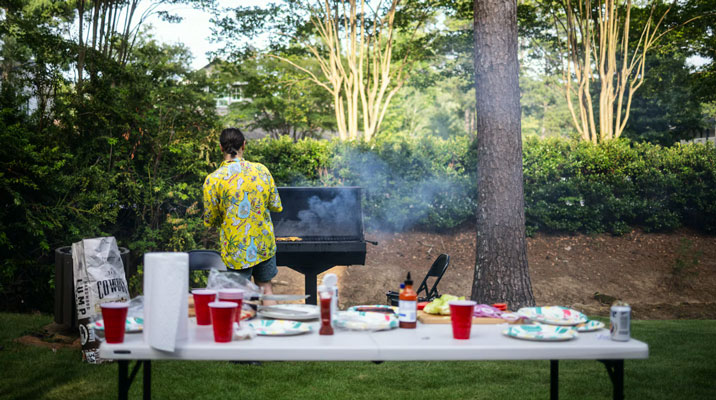
A memorable backyard barbecue starts with a menu that gives guests more to enjoy than the usual grilled staples. Live charcoal, generously sized lobster tails, and crisp seasonal sides can turn a familiar cookout into a full feast without making the host spend all afternoon in the kitchen.
The key is to choose a few high-impact dishes and prepare as much as possible before guests arrive. Once the coals are hot, the cooking should feel like part of the gathering instead of a separate production.
Move Beyond Standard Burgers
Burgers remain popular because they cook quickly and allow guests to choose their own toppings. A classic barbecue burger can still have a place on the grill, especially when children or selective eaters are coming. Just avoid building the entire menu around one familiar item.
Choose one centerpiece, one accessible backup, and several sides. Lobster tails can serve as the centerpiece, while burgers or grilled plant-based patties give guests another option. Adding a few plant-based grilling options can make the menu more flexible without requiring a completely separate cooking setup.

Small upgrades also make traditional favorites feel more considered. Set out toasted brioche buns, sliced heirloom tomatoes, grilled onions, and two distinctive sauces. A lemon-herb mayonnaise works with both burgers and seafood, which keeps the condiment table manageable.
Think about portions before shopping. If lobster is the main event, one substantial tail per adult will usually anchor the plate. Offer fewer backup patties than you would at a burger-only cookout since guests will also be eating seafood and sides. This prevents an overloaded grill and reduces the amount of food left at the end of the evening.
Current barbecue menu trends also show how vegetables, seafood, and globally inspired flavors can add variety to an outdoor meal. Use those ideas selectively so the table still feels cohesive.
Why Shellfish Thrives on Live Charcoal
Charcoal contributes intense heat and a light smoky character that suits shellfish particularly well. Lobster meat has a natural sweetness, so it needs only a short time over the heat to develop browned edges and a deeper savory flavor. The shell also acts as a cooking vessel, holding butter and juices close to the meat.
Set up two temperature zones before cooking. Bank the hot coals on one side of the grill and leave the other side cooler. This arrangement lets you sear food over direct heat and move it away if butter begins to flare or the shell darkens too quickly. Place a clean grate over the coals, allow it to heat, and brush it thoroughly before adding food.
Keep the seasoning focused. Salt, black pepper, garlic, lemon, and butter complement lobster without covering its flavor. A handful of wood chips may add smoke, but too much can turn delicate seafood bitter.

Good shellfish grilling techniques also depend on careful preparation and close attention once the seafood reaches the heat. Shellfish cooks quickly, so have tongs, a clean platter, and an instant-read thermometer within reach before it touches the grate.
Grill Giant Lobster Tails with Garlic Butter
If you want lobster to be the main attraction, giant lobster tails give each plate a substantial centerpiece. Allow enough time to thaw frozen tails safely in the refrigerator, preferably on a rimmed tray that can catch moisture.
Start by preparing the tails while the grill heats. Use sturdy kitchen shears to cut lengthwise through the top of each shell, stopping before the tail fan. Gently separate the shell and lift the meat upward, keeping it attached at the base. Rest the meat on top of the shell so it cooks evenly and develops color.
For a simple garlic butter, melt one stick of unsalted butter with two minced garlic cloves, a teaspoon of lemon zest, and a small pinch of salt. Divide the mixture into two bowls before brushing the raw seafood. Use one portion during cooking and reserve the untouched portion for serving. This prevents the serving sauce from coming into contact with raw juices.
Place the tails shell-side down over medium direct heat and close the lid. A modest tail may cook in 8 to 10 minutes, while a very large one can require 15 minutes or longer. Grill temperatures and tail thickness vary, so time should serve as a guide instead of the only test.
Brush the meat once or twice as it cooks, watching for flare-ups caused by dripping butter. Move the tails to the cooler zone if the shell starts charring before the center is ready. The meat should become firm, pearly, and opaque. Check the thickest portion with a food thermometer and cook seafood to 145 degrees Fahrenheit.
Let the tails rest for two or three minutes. Serve them with lemon wedges and the reserved garlic butter, either whole for a dramatic presentation or sliced into thick medallions for easier sharing.

Balance Rich Meats with Fresh Sides
A buttery lobster tail and a grilled burger need sides with acidity, crunch, and fresh flavor. Heavy casseroles can make an outdoor meal feel overly rich, particularly on a warm afternoon. Choose produce-driven dishes that can sit beside the main course without competing with it.
A tomato and cucumber salad is one of the easiest choices. Toss chopped tomatoes, sliced cucumbers, and thin red onion with lemon juice, olive oil, salt, and chopped parsley. Prepare the vegetables a few hours ahead, but add salt and dressing shortly before serving so they stay crisp.
Grilled corn also works well because it uses the same heat source as the main dishes. Cook the ears while the coals are still strong, then keep them warm on the cooler side of the grill. Serve them with lime wedges and a bowl of herb butter. If grill space is limited, boil the corn earlier and give it a brief finish over the coals.
For a heartier option, make a chilled grain salad with couscous, farro, or quinoa. Add roasted peppers, scallions and plenty of herbs, then dress it with a sharp vinaigrette. Prepare it the day before so the flavors have time to settle.
Keep dessert cool and straightforward. Sliced watermelon, berries, or frozen fruit bars are refreshing after a rich plate. A platter of grilled peaches can also stay on theme. Halve the fruit, remove the pits, and grill the cut sides for two or three minutes. Serve the peaches with vanilla ice cream once the main cooking is finished.
Aim for color as you plan the table. Red tomatoes, yellow corn, and green herbs make the meal look abundant without requiring elaborate garnishes.
Simple Setup for Outdoor Entertaining
Organize the yard around three clear areas: cooking, serving, and seating. Keeping guests away from the hot grill gives the cook room to work, while a separate serving table prevents people from crowding around the food as it comes off the heat.
Part of the appeal of community barbecue gatherings is that the meal becomes part of the social event rather than something separate from it. A backyard version works best when guests have somewhere comfortable to sit, food is easy to reach, and the cooking area remains safely separated from the main gathering space.
Complete cold dishes before lighting the charcoal. Put serving utensils with each bowl and cover the food until mealtime. Perishable dishes should remain refrigerated or in a cooler with plenty of ice until they are needed. Once served, return them to cold storage within two hours, or within one hour when the outdoor temperature is above 90 degrees Fahrenheit.
Set the table with sturdy plates and plenty of napkins. Lobster can be messy, so provide shell bowls, seafood forks, and damp cloths or packaged hand wipes. Small dishes for garlic butter help contain drips. If you plan to divide large tails at the table, bring out a sharp knife and a stable cutting board instead of trying to manage portions on a paper plate.
Lighting should be practical as the sun sets. Place battery-powered lanterns on tables and use string lights to define walkways. Keep cords secured and away from areas where guests will be carrying plates.
Build a short cooking schedule to protect the relaxed mood. Grill corn first, cook backup patties next, and save the lobster tails for last. Seafood tastes best soon after it leaves the heat, and the earlier foods can stay warm on covered platters. Ask one guest to carry finished dishes to the serving table while you monitor the grill.
When the lobster tails arrive at the table glossy with garlic butter, all they need are fresh lemon wedges, cold sides, and enough napkins for everyone to enjoy the feast.