

Repossessed cars move through the auction cycle faster than most buyers realize. Lenders file paperwork, the redemption window closes, and the car hits the block — often within weeks of the original default. For ready buyers, that speed works in their favor.
The repo market is one of the most consistent sources of late-model transportation at wholesale prices. These aren’t damaged vehicles. They’re clean-title cars that were simply caught up in someone else’s financial situation.
In this post, we’ll focus on how the repossession cycle works, what to look for when evaluating repossessed cars, and how to handle logistics so the car arrives at your doorstep without surprise fees.
The Mechanics of Financial Liquidations
A vehicle enters the liquidation cycle when a borrower defaults on their loan agreement, leading to a legal reclamation by the lender. These repossessed cars are not necessarily sold at auction due to mechanical failure; bank repo car sales are driven by changes in the original owner’s financial circumstances, not a failing engine. This distinction is vital for the buyer, as it means the inventory is often composed of “clean title” vehicles that were being driven daily until the moment of repossession.

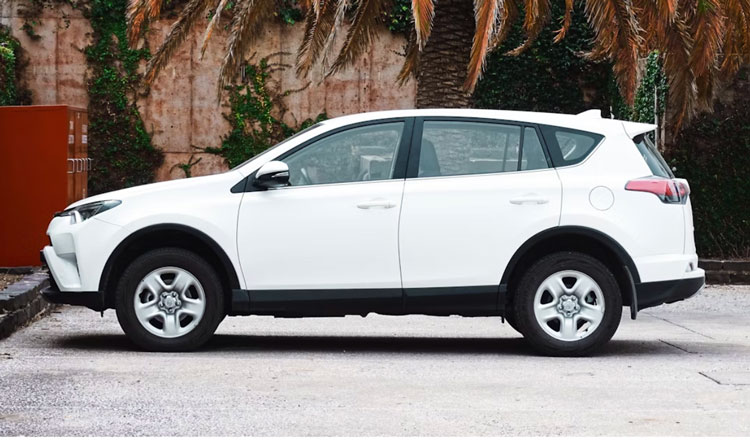
From a value perspective, these units are highly desirable because they are typically newer models. Lenders are more inclined to finance vehicles with strong resale potential, which is why bank repo car sales are frequently stocked with popular crossovers, fuel-efficient sedans, and late-model pickup trucks. These are the same vehicles you would find on a franchised dealer’s used-car lot, but without the significant retail markup to cover commissions and facility overhead.
Strategic Sourcing Through Specialized Auctions
The process of buying from a lender is remarkably transparent. Most major financial institutions partner with established auction platforms to remarket their assets. This allows a global audience of bidders to view bank-repossessed cars in a competitive, open-market environment. In 2026, these platforms will provide extensive data, including multi-angle photography, engine start-up videos, and detailed interior scans.
To maximize the potential of these sales, we recommend focusing on fresh inventory. These are vehicles appearing for the first time after their redemption period has expired. In many cases, these cars have not yet been “picked over” by professional wholesalers, offering the best chance for an individual buyer to secure a deal. By setting up alerts for specific makes and models, you can stay ahead of the competition and identify high-quality units as soon as they are listed.
Assessing Condition and Maintenance History
While the mechanical risk is generally lower with repossessed units than with salvage units, a disciplined buyer should still investigate the vehicle’s history. It is a common assumption that if someone couldn’t make their car payments, they may also have skipped routine maintenance, such as oil changes or tire rotations. While this is a possibility, it is not a universal rule.
When evaluating repossessed cars for sale, we advise looking for signs of consistent care. A vehicle that still has the original owner’s manual in the glovebox or service stickers on the windshield often indicates a driver who took pride in the machine. Furthermore, utilizing third-party history reports can confirm if the vehicle has a record of regular service at a dealership. This data-driven approach allows you to separate the well-maintained diamonds from the units that might require a little more catch-up maintenance upon delivery.
The Logistics of Post-Auction Success
One of the most overlooked aspects of the auction process is the outbound logistics. Most repo yards are high-volume facilities that prioritize throughput. They often offer a limited free storage period, usually 3 to 5 business days, after which daily fees can begin to accrue. This makes the speed of your transport partner a key factor in your total investment.
Professional shipping is the most efficient way to handle this. A dedicated carrier can navigate the gate-pass requirements and coordinate with the yard staff to ensure the vehicle is loaded safely. Whether the car is a “runner” or a “non-runner” due to a missing key or a dead battery, professional transporters have the equipment needed to move the vehicle without causing additional wear. This allows you to focus on the next steps of ownership, such as registration and any necessary detailing.
Navigating the Documentation and Title Process
Transparency in the paper trail is another advantage of the bank-owned sector. Because the seller is a regulated financial institution, the title documentation is generally handled with a high level of accuracy. However, the timeline for receiving a title can vary. In some cases, the bank may hold the title until the funds have fully cleared, which can take several business days.
We suggest carefully reviewing the title status listed on the auction page. Most bank-repossessed cars will come with a clean title, but it is important to confirm that there are no outstanding liens that could complicate the registration process in your home state. The auction platform acts as the intermediary in this transaction, ensuring that the chain of ownership is legally sound from the bank to the winning bidder.
Budgeting for the All-In Cost
To truly find value at a bank repo car sales event, you must look at the total cost of ownership. This includes the winning bid, the auction house’s buyer fee, the cost of transport, and a small “contingency” fund for immediate maintenance. We often recommend setting aside 5% to 10% of the purchase price for a full fluid flush and a deep interior detail.
By approaching the auction with a pre-calculated “walk-away” price, you protect yourself from the emotional pull of live bidding. The most successful buyers are those who remain disciplined, knowing that the volume of repossessed inventory in 2026 is consistent enough that if they miss one vehicle, another comparable unit will likely appear in the following week’s auction cycle.
Conclusion
The market for repossessed vehicles offers a sophisticated pathway to automotive value. By bypassing the retail markup and engaging directly with institutional sellers, you can access late-model, well-equipped vehicles that might otherwise be outside your budget. With the right combination of data-driven research and professional logistical support, the auction floor becomes a reliable source for high-quality transportation. Success in this arena is a matter of preparation, patience, and a clear understanding of the transactional framework that drives the bank-owned market.