
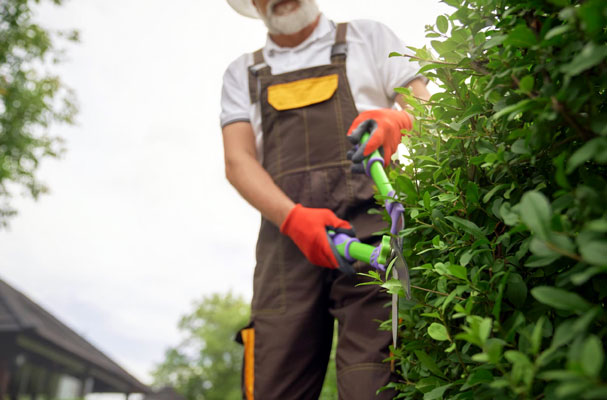
Small-town growth often means new yards, busy neighbors, and a fresh wave of green spaces that need attention as seasons change. Local lawn care businesses are suddenly not just lending a helping hand to folks down the street; they’re managing an expanding list of clients that want clean, healthy yards and professional service.
As these communities grow, the way local lawn care businesses operate is changing fast.
Meeting Demand With Efficiency and Expanded Services
Over the past year, the demand for community lawn care services has spiked alongside population booms, home renovations, and interest in curb appeal, which can enhance the property’s value and market price. This surge puts pressure on lawn care companies to work smarter, not just harder. If a business can’t keep up with weekly mowings or seasonal treatments, clients may look elsewhere.
To keep pace, many local operators diversify what they offer. Instead of just mowing and blowing, they add weed control, fertilizing, aeration, and even design work. Expanding services brings in extra revenue opportunities, but it also allows companies to design gardens that are easier to manage in the long term, which can reduce their workload while optimizing aesthetics for their clients.
Tackling Scheduling and Consistency Challenges
Handling 10 clients by hand is one thing, but what about 50 or 100? As repeat business grows, the biggest hurdles are scheduling jobs efficiently and providing the same quality every time. With manual methods, details sometimes slip through the cracks: a missed trim, a double-booked slot, or forgetting a specific client’s mowing height.
That’s why many businesses are shifting to more organized, digital systems for scheduling and tracking. Some steps you can take include:

- Swap out the paper calendar and use route-planning apps for their crew’s daily runs.
- Develop cloud-based spreadsheets to help prevent missed appointments.
- Use automated reminders and time stamps to ensure crews show up reliably, even with back-to-back stops all day.
Professionalism is key here. Local customers rely on these businesses to be punctual and consistent, especially if they’re signing up for recurring care. A single no-show could cost both trust and future referrals!
Managing Recurring Clients With Digital Tools
Recurring clients are the foundation for most growing operators. Still, tracking and scheduling those repeat visits isn’t as simple as jotting down names in a notebook!
Digital tools built for landscapers make it easier to manage recurring service schedules, route crews efficiently, and maintain consistent lawn upkeep across growing client lists. Platforms like lawn care maintenance software allow small crews to log client preferences, automate recurring appointments, assign crews, and track service completion all in one dashboard. When the system sends reminders for routine shrub pruning or fertilizer treatments, it helps every job get done on time, regardless of how long the client roster grows!
The good thing? A simple phone or tablet is often all that’s needed to leverage these systems. This lets even the smallest operation look organized and reliable when communicating with clients, scheduling new jobs, or collecting digital payments.
Building Community Trust Through Reliability
In tight-knit communities, word-of-mouth shapes who gets called first. That’s true for any business, but even more so for service providers such as lawn care experts, as their work is on show in front of the community!
Because of this, it is essential to avoid missed or subpar jobs, especially as the business gets bigger! Hire wisely and make sure to train your employees: a reliable crew can maintain a loyal customer base for years!
Supporting the Community With Added Value and Thought Leadership
Local lawn care businesses make a lasting impact when they focus on more than just the basics by blending added value, thought leadership, and genuine community support. Offering free resources (i.e, seasonal lawn care guides, easy video tutorials, and weekend workshops) empowers residents to handle DIY lawn care tasks, from patching bare spots to routine edging or pest checks.
These initiatives help reduce the burden on busy lawn care companies, especially during peak seasons such as spring or autumn. Plus, they help people feel more confident outdoors, connect with neighbors, and take pride in their own gardens!
Explore More on Lawn Care Growth and Organization
If you are interested in learning how professional yard care is evolving because you are thinking of starting a business in the field, or you are a client looking for the best partner for your lawn care, check out more community business guides right here on Gila Herald.
For additional ideas on digital organization and expansion, get in touch with specialists in the sector and get inspired by real-world success stories from the field.