


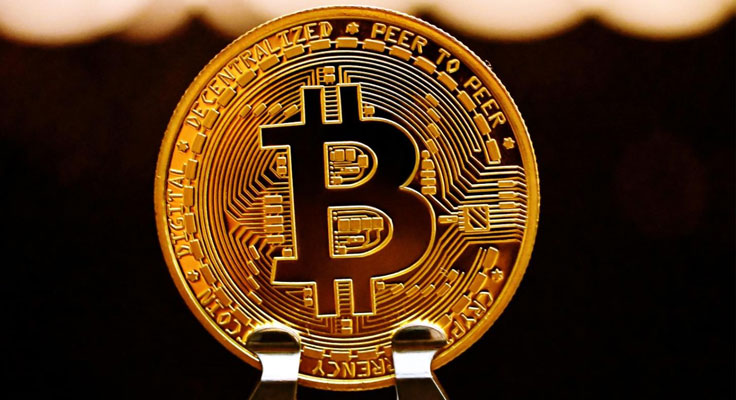
The crypto ecosystem is always changing and evolving, with the prices shifting considerably, sometimes in the span of as few as twenty-four hours. The market has become more predictable over the last couple of years, and investors believe that the world of digital assets will continue to enter the mainstream. If you’re a trader yourself, you already know how important it is to have a strategy and stick with it no matter what. It can seem easy, but in this environment, where the fear of missing out is much higher than in the case of traditional markets, doing so can seem downright impossible at times.
Being in tune with the latest crypto news today can be incredibly helpful when you’re figuring out a game plan, so that you have a better idea of where the metrics are situated as well as where things are headed. Being 100% is not feasible, but knowing how things are will provide you with a distinct advantage nonetheless.
Joining forces with TradFi
The crypto ecosystem has been maturing and consolidating over the last few years, being closer than ever before to reaching mainstream status. Many of those who used to be skeptical are now convinced that crypto has a lot of potential and that learning how to harness it can lead to massive gains. The possibility of the blockchain replacing some of the older systems is discussed as well, and while it isn’t necessarily something new, things are different now that the market is exhibiting such strong performance.

Yet, analysts believe that, as good as it might sound in theory, the reality is quite different. The main issues with the ways in which the blockchain operates at the moment are that it doesn’t have adequate throughput yet. This issue can be addressed and remedied, but it will take time and resources. Blockchain technology and asset tokenization can create environments that operate 24/7, independent of geography and time zones, without the need for intermediaries or their permissions. However, they’re not something that you’ll be able to use in the very near future.
Validators
The crypto validators are a group of nodes, particularly those that operate with proof-of-stake systems, that can verify, propose, and vote on transaction blocks. They act as arbiters that look after network security in exchange for fees. If they act maliciously, the collateral is lost. The validators are in charge of ensuring the validity of all transactions so that double-spending doesn’t occur and the signatures are correct. They arrange the data into blocks and finally reach a consensus alongside the other nodes.
Solana, one of the most well-known blockchains with a strong presence in the meme coin environment that has been exceedingly popular over the last year, has been struggling in this department recently, as it lost almost 70% of its validator count in January 2026, the lowest level recorded in almost three years. This has raised concerns about the network’s ability to remain decentralized since the ones that are more likely to be ousted are the smaller validators.
The Nakamoto Coefficient, a metric used to measure the level of decentralization associated with a blockchain using the number of independent entities associated with it (such as miners and validators), dropped by nearly 40% during this time as well, signaling that the staked supply is much less distributed than it was in the past.
Joining forces with gold
Bitcoin is known as “digital gold” among investors, with many of them drawing parallels between the two assets (and some even believing that BTC has the potential to surpass gold someday). Recently, a new link has been created between the two. A Hong Kong-based investment services company dealing with ETFs, retail funds, and portfolio management, has announced the launch of a new product, a physically backed exchange-traded fund, as well as the option for future tokenized access to this asset.
The company will act as the custodian of the gold, which will be held in vaults in Hong Kong. The structure is designed to allow for both in-cash and in-gold creation and redemption, while retail investors can trade on secondary markets where the products will behave as ordinary shares. The tokenized unlisted units will be part of the same fund and represent ownership interests that are also recorded on the decentralized ledger. The fact that holdings such as these are beginning to be seen as a good idea by large institutions is a very good sign, as it shows that the market is robust and can be trusted.
The Ethereum exchange supply
Solana is not the only network that is dealing with some challenges. The validator entry queue on Ethereum is also quite congested, with almost 4 million coins lined up to be staked. The forecasted waiting period is over 60 days long. The number of ether coins on exchanges has steadily dropped over the last six months as the prices have remained fairly steady. The long-term holders continued to prioritize staking as well.

As this trend continues, the number of ETH coins on the platforms will most likely continue to decrease. Add to that the fact that the markets are expected to continue moving sideways for the foreseeable future, and another aspect that will impact the supply and strengthen the existing conditions. The Ethereum network has a designated limit on the number of validators that can enter and exit staking in order to protect stability, and the total amount right now is around 40 million, or nearly 30% of the total supply.
Unstaking is unlikely because it is viewed as a sign that the validators are looking to free Ethereum up for sale. Staking, on the other hand, signals that investors are confident since it means that the holdings are locked up.
When taking all these things into consideration, it could seem that the market isn’t doing very well. It is true that the ecosystem will have to undergo some challenges, but the same can be said for the larger economic world. Everyone will need to be a little more careful when it comes to their purchases and expenses for the foreseeable future, regardless of the market where they take place.