
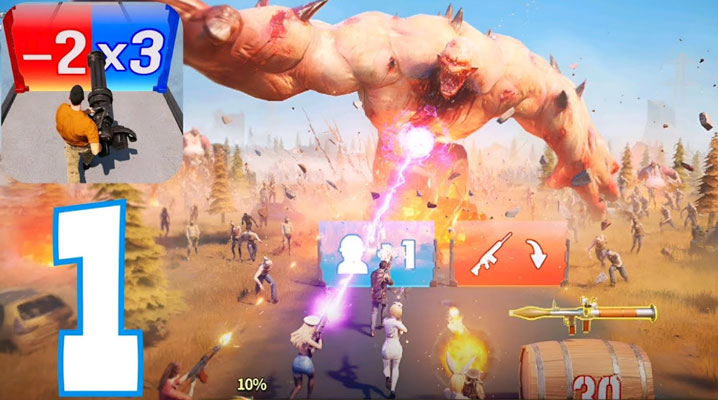
Survival games have a way of convincing players they need things they don’t — and Last Z is no exception. The tension of low resources, the hunger to upgrade faster, the fear of falling behind other players — all of it quietly pushes spending decisions that, more often than not, don’t deliver the value they seem to promise.
So here’s a no-fluff look at what’s actually worth buying, what to skip, and where to go when the Last Z Shop isn’t giving the best deal.
The Problem With Most In-Game Stores
Most mobile survival games run the same playbook. They structure their stores so the most useful items are the most expensive, bundle things together so players can’t buy just what they need, and reset pricing just often enough that it’s hard to know when a “deal” is actually a deal.
Last Z follows a similar pattern. That doesn’t mean the store is useless — far from it — but walking into it without a plan is a reliable way to spend more than intended and come away with less than expected.
Knowing which item types genuinely hold value, and which ones are priced to exploit urgency rather than reward smart spending, changes the entire experience.
Breaking Down the Item Categories
Premium Currency — The One That Matters Most
Everything in Last Z eventually connects back to its premium currency. Draws, exclusive gear, upgrade acceleration, limited-time content — it all runs through that single resource. This makes how and where it’s purchased one of the most financially significant decisions a player makes repeatedly throughout their time with the game.
Buying currency in small amounts is almost always a mistake. The per-unit cost on small bundles is noticeably worse than on larger ones, and players who buy reactively — grabbing a small pack whenever they run short — end up spending considerably more over time compared to those who wait and buy in bulk during promotional windows.
The Last Z Shop does offer bonus currency on select bundles, but these offers rotate unpredictably. Players who don’t time their purchases well miss them entirely.
Resource Packs — Useful Early, Overpriced Later
Food, water, building materials, and medical supplies — the backbone of early survival. During the first week or two of play, these packs carry genuine value. Progress is slow, resources are scarce, and a well-timed resource bundle can save hours of grinding.
Past that phase, the math changes. Experienced players develop farming rhythms that cover basic needs without spending. Buying resource packs in the mid or late game is mostly paying for convenience, which is fine, but only at the right price point. Standard pricing on these packs rarely justifies the cost when the same resources can be earned through consistent gameplay.
Gear and Equipment — Situational at Best
There’s a certain appeal to buying gear outright, especially when a player hits a progression wall and needs a specific item to push forward. But the pricing on direct equipment purchases is usually steep relative to what’s available through crafting, drops, or in-game events.
The exception is exclusive equipment — items that genuinely can’t be obtained through gameplay. These tend to have actual long-term utility or rarity value, making them worth considering if the game is being played seriously. For everything else, crafting is almost always the smarter route.
Booster Packs — Buy Bundles or Don’t Buy at All
Speed-ups and XP multipliers get surprisingly little attention in most comparisons, but they’re among the more practical purchases for active players. The catch is that individual boosters are absurdly overpriced relative to what they deliver. Bundle versions — where multiple boosts are packaged together — drop the per-unit cost significantly and make the math work.
For players who log in daily and want to make each session count, a well-chosen booster bundle purchased during a promotion can provide real, tangible value over two to three weeks of play.
Limited-Time Event Items — The Hidden Gems
This category is probably the most underrated. Seasonal and event-exclusive bundles tied to specific content windows tend to combine rare crafting materials, unique cosmetics, and bonus currency at rates that are genuinely competitive. The time pressure is real, but so is the value — particularly for players who are already engaged with the event content.
Missing these is one of the more common ways dedicated players leave value on the table.
Why Smart Players Look Beyond the Native Store
Here’s something worth knowing: the Last Z Shop isn’t the only place to buy in-game currency. Third-party game top-up stores have grown significantly in recent years, and one that consistently comes up in player communities is LootBar.

LootBar operates as a legitimate game top-up shop, offering currency for Last Z and dozens of other titles at prices that regularly undercut standard in-app purchase rates. The discounts aren’t marginal — depending on active promotions, players report saving anywhere from 10% to 30% on the same currency they’d otherwise buy directly through the game.
What separates LootBar from less trustworthy alternatives is the transparency. Pricing is clear, delivery is reliable, and the store has built up a solid reputation among the kind of players who do their research before spending money on games. There are no hidden fees, no vague bundle descriptions — just straightforward transactions at consistently competitive rates.
For anyone spending regularly on Last Z, running a quick comparison on LootBar before committing to an in-app purchase has become a habit worth building. The time cost is minimal. The savings, over months of play, are anything but
A Practical Approach to Spending in the Last Z
A few principles that hold up regardless of where purchases are made:
Patience is worth more than most players give it credit for. Both the Last Z Shop and external stores like LootBar run sales cycles. Buying currency or bundles outside of these windows means paying full price for something that regularly goes on sale.
Currency is almost always a better purchase than direct items. Buying premium currency and making deliberate choices about how to spend it in-game gives far more control than buying bundled packs that include unwanted items alongside useful ones.
Impulse purchases are the enemy of good value. The game is designed to create moments of urgency — a tough fight, a resource shortage, a limited-time counter ticking down. Recognizing those triggers and not reacting to them is worth real money over time.
Event windows are worth planning around. If an event is being played seriously, the limited bundles tied to it are usually the best-value purchases available during that period. Saving budget for those moments is smarter than spending it on standard currency mid-rotation.
The Bottom Line
Last Z rewards players who think before they spend. The in-game store has its strengths — event bundles and starter packs in particular — but it’s not always the best option for regular purchases, especially premium currency.
LootBar fills that gap well. As a dedicated game top-up shop with a solid track record and consistently discounted rates, it’s become a genuinely useful part of how informed players manage their budget in games like Last Z. Combining smart item selection with strategic timing and a willingness to shop outside the native store is the closest thing to a reliable strategy for getting real value out of money spent on this game.