

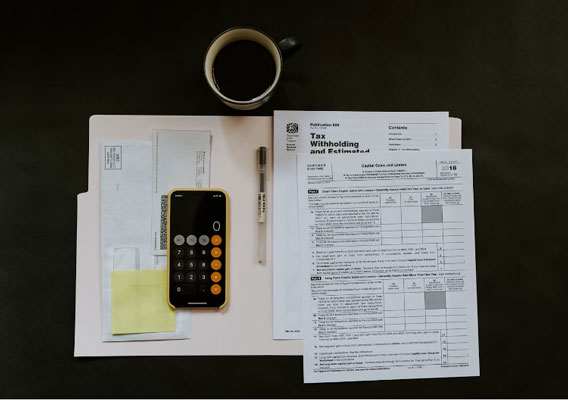
Businesses must track project costs with precision if they intend to receive the highest possible tax credits. Government programs frequently require specific evidence regarding how a company distributes funds across various project phases. If a company lacks a structured method to monitor costs, it may fail to include qualifying expenses or submit incomplete documentation – these errors are likely to decrease the total credit value and cause delays in the receipt of funds. A consistent system for monitoring expenses ensures that every qualifying amount is documented and supported by evidence.
Establishing Cost Tracking Framework
A reliable system for monitoring costs starts with a clear plan that defines how a company records expenses from the beginning of a project. Companies are encouraged to create uniform categories for employee time, materials, subcontractors plus administrative costs – this organization prevents the mixing or misclassification of expenses, which is a frequent problem that causes errors in tax credit submissions.
Staff must apply this framework consistently across every department once it is established. It is helpful for teams to record their hours and expenses as they occur instead of using estimates at the end of the project – this practice lowers the chance of data loss and creates a financial record that is dependable for reporting.
Categorizing Eligible Expenses
The classification of expenses is a primary factor when a company tracks costs for tax credits. Because only specific expenses qualify for government incentives, businesses must separate costs that meet the criteria from those that do not – this separation ensures that applications are correct but also makes changes during the review process less likely.
Guidance from external firms, like G6 Consulting, is often helpful for businesses to identify which expenses are suitable for specific tax credit programs – this specialized knowledge is useful for projects that are complicated and have rules that are difficult to understand. Precise categories also simplify the preparation of documents for programs like SR&ED, which require specific cost details to meet legal requirements.

Using Digital Tools For Accuracy
Software is a significant factor in making project cost tracking more accurate. Accounting programs, expense management systems, and project platforms allow businesses to log costs immediately – these digital tools lower the number of human errors as well as provide a single location for all project financial data.
Reporting remains consistent when businesses use the automation features within these systems. Time tracking software is able to assign labor costs to specific projects automatically, while expense platforms can sort receipts during the upload process – these functions lower the amount of administrative work and ensure that information is current when a company prepares tax credit applications.
Preparing Records For Submission And Review
Businesses must organize their records for tax authorities after they have tracked all project costs – this process involves arranging financial data to show that the company followed program rules. Supporting items, like invoices, payroll documents, or contracts, are most effective when they are easy to find and connected to specific reported costs.
Verification of the completeness and consistency of all records is important during this phase. Records that are incorrect or have missing information are often the cause of delays or smaller credit amounts. Many organizations choose to have advisors who are familiar with SR&ED consulting review their documents before they submit them – this review identifies potential problems to increase the chance that the government will approve the application.
Strengthening Long-Term Cost Management Practices
The tracking of costs is useful for general financial management as well as for tax credit applications. Companies that create strong tracking habits have a clearer view of project results and earnings – this clarity allows managers to make choices about future spending and where to place resources based on data.
Confidence in planning new projects grows over time when cost tracking is consistent. Businesses are able to create budgets plus forecasts that are more accurate by studying past spending, which reduces financial risk and helps a company grow in a planned manner. Cost tracking is a helpful part of a business strategy when it is supported by organized systems and advice from experts like G6 Consulting.