

Communities do not become friendly to cyclists because of one trail, one event, or one new sign. They get there when public spaces, practical infrastructure, and local habits begin to support biking in everyday life. In the Gila Valley, that matters because cycling can serve many purposes at once: recreation, family time, fitness, and a simple way to enjoy the outdoors while connecting neighborhoods, parks, and local destinations.
That progress also depends on confidence. Riders and families feel more comfortable when routes are visible, expectations are clear, and reliable support exists if questions come up. In that sense, access to a national network of bicycle crash lawyers can complement local progress by showing that dedicated, professional guidance is available when people want clear information about bicycle rights and responsibilities.
Why connected routes matter
A park is valuable, and a shared-use path is valuable too. However, the biggest benefits appear when those assets connect to the places people already use. The CDC describes activity-friendly routes as bicycle and pedestrian networks that link people to parks, schools, shops, and other common destinations. That idea is especially useful for smaller Arizona communities, where a few strong connections can make biking feel practical instead of occasional.
The Federal Highway Administration also emphasizes that connected walking and biking networks help create more accessible and livable communities. In other words, the goal is not simply to add amenities, but to make movement easier and more welcoming for people of different ages and abilities.

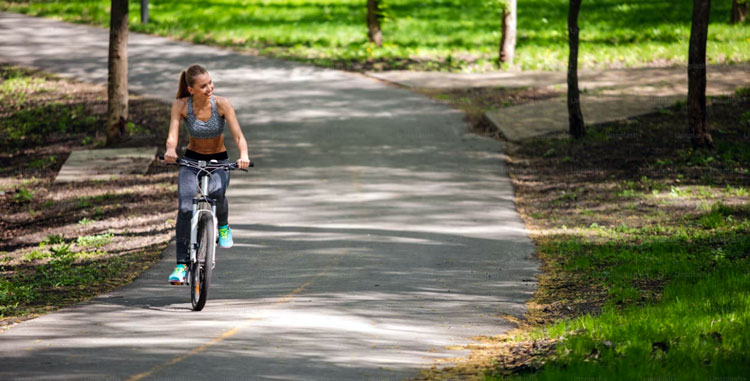
Paths make riding easier to choose
Shared-use paths often begin as recreation spaces, yet their value goes further. Gila Herald reported on the reopening of Safford’s shared-use path as a positive development for walkers and cyclists, showing how even one local route can strengthen outdoor activity and community use. A path like that gives residents a low-stress place to ride, walk, or spend time outdoors without needing a major trip or a special occasion.
Parks help create a welcoming culture
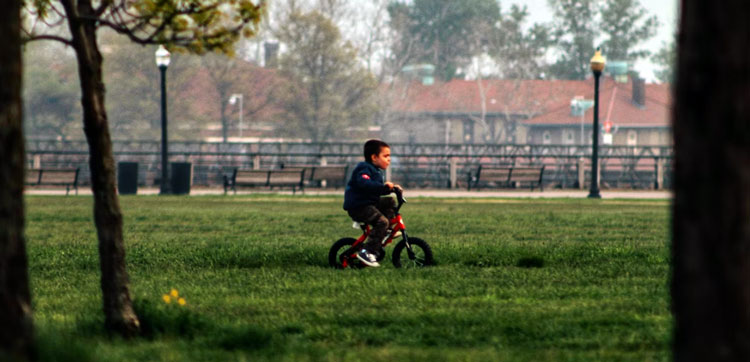
Parks matter for a different reason: they make biking visible. When people regularly see children learning to ride, families using open space, and adults including bikes in normal routines, cycling feels familiar rather than specialized. That visibility helps build a culture in which biking is seen as part of community life, not a narrow hobby.
What bike-friendly communities usually have in common
Strong bike-friendly communities often share a few practical features:
- Connected shared-use paths or low-stress routes
- Parks and open spaces that welcome all ages
- Clear signage and crossings
- Local events that make biking visible and social
- Easy access to reliable information on rules and etiquette.
These elements work best together. A path encourages movement, a park invites families, and clear expectations help people feel comfortable returning again.
Community events turn infrastructure into culture
Infrastructure gives people a place to ride, but events give them a reason to participate. In the Gila Valley, community races and recreation events help make cycling more public, social, and approachable. Gila Herald’s coverage of the Tri-Community Tri shows how local events can bring together different ages and experience levels while highlighting biking as part of a broader community identity.
There is also a wider national context behind that local opportunity. According to the U.S. Department of Energy, using Federal Highway Administration travel data, Americans took about 2.2 billion bike trips in 2022, and 52 percent of those trips were for social or recreational purposes. That statistic matters because it shows biking is already a meaningful part of American life, which makes local events a smart way to increase participation and enthusiasm.
Events build confidence for new riders
Local events do more than entertain. They help new riders imagine themselves participating. They also create a positive setting for local organizations, families, and businesses to support active outdoor life. As a result, parks and paths become more than facilities; they become part of a shared local experience.
A practical framework for the Gila Valley
| Community feature | What it offers | Why it matters |
| Shared-use paths | Comfortable space for riding and walking | Encourages regular use |
| Parks and trailheads | Welcoming starting points | Supports families and beginners |
| Community events | Social motivation and visibility | Builds participation |
| Signage and education | Clear expectations | Helps people share space smoothly |
This framework is useful because it keeps the conversation practical. Instead of asking whether a place is bike-friendly in theory, communities can look at whether these pieces are working together in real life.
Small improvements can have lasting value
The Gila Valley does not need to copy a major city to support biking well. It can move forward through realistic local steps, such as:
- Improving links between existing parks and paths
- Supporting more family-friendly rides and outdoor events
- Sharing clear information on riding etiquette and local rules.
Those actions are modest, but together they can make biking easier to start, easier to enjoy, and easier to see as part of community life.
Conclusion
A bike-friendly Gila Valley is not just about cyclists. It is about building a stronger community through connected paths, welcoming parks, visible events, and everyday awareness. When those pieces work together, biking becomes more accessible, more enjoyable, and more naturally woven into local life. That is how communities grow stronger: not through one isolated feature, but through steady improvements that help more people take part.