


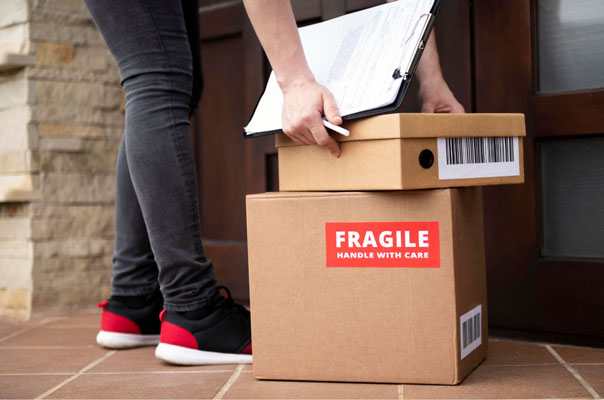
Sending glassware, electronics, ceramics, or family keepsakes overseas requires more than placing them in a box. A reliable international shipping company reduces the risk of damage by combining suitable packaging, careful parcel handling, accurate labeling, and shipment tracking. Each step helps fragile contents withstand movement during pickup, sorting, transport, customs processing, and final delivery.
Before packing, the sender should inspect every item for loose parts, sharp edges, or existing cracks. Batteries, cables, lids, and removable accessories should be secured separately when appropriate. This check prevents components from shifting and damaging the item during transit.
Packaging Methods That Reduce Damage
Fragile parcels need protection from impact, pressure, vibration, and sudden movement inside the box. Effective preparation includes several protective measures:
- sturdy outer boxes — strong corrugated cardboard helps the parcel maintain its shape when handled or stacked;
- individual wrapping — bubble wrap, foam sheets, or soft packing material prevents items from striking one another;
- empty-space filling — paper, air cushions, or foam limits movement and keeps contents centered;
- reinforced seams — durable packing tape strengthens the bottom, corners, and opening of the box;
- clear identification — fragile labels alert handlers that the parcel requires extra attention;
- moisture protection — sealed bags or inner liners help protect sensitive items from humidity and minor leaks.
The finished parcel should not rattle when moved gently, because internal movement increases the chance of breakage. It should also remain compact enough to avoid excessive empty space while leaving room for cushioning on every side.
For delicate objects, double boxing can provide a protective layer. The inner box is cushioned inside a larger container, creating separation from pressure and impact in transit.
Careful Handling Throughout the Shipping Process
Protection continues after the parcel leaves the sender. Shipping teams use established handling procedures to move packages through collection points, sorting facilities, transportation hubs, customs, and local delivery networks.
Accurate parcel information also matters. A detailed customs declaration helps prevent unnecessary inspections or delays, while the correct recipient details reduce the risk of rerouting. For electronics or unusually delicate goods, customers may benefit from phone guidance before packing and dispatch.
Door-to-door delivery can reduce the number of transfers between the sender and recipient. Fewer handoffs may lower the risk of drops, incorrect sorting, or exposure to unsuitable storage conditions. Reliable tracking also allows customers to follow the parcel at each stage and respond quickly if delivery details need attention.
Why Tracking and Delivery Planning Matter
Predictable transit is especially important when a parcel contains gifts, purchases, souvenirs, or items that are difficult to replace. Tracking provides visibility from acceptance through final delivery, helping both the sender and recipient understand where the package is and when it may arrive.
Delivery planning is equally important for parcels sent from the United States to Poland. Clear documentation, suitable service selection, and realistic preparation help reduce customs complications and protect the contents from avoidable delays.
Express options can be useful when timing matters, while standard parcel services suit less urgent deliveries. In both cases, professional support helps customers understand packaging requirements, complete declarations, and choose a practical delivery method.
With door-to-door service, shipment tracking, customs assistance, and expert guidance for parcels traveling from the United States to Poland, Polonez helps families send fragile gifts, electronics, purchases, and keepsakes with greater confidence.