

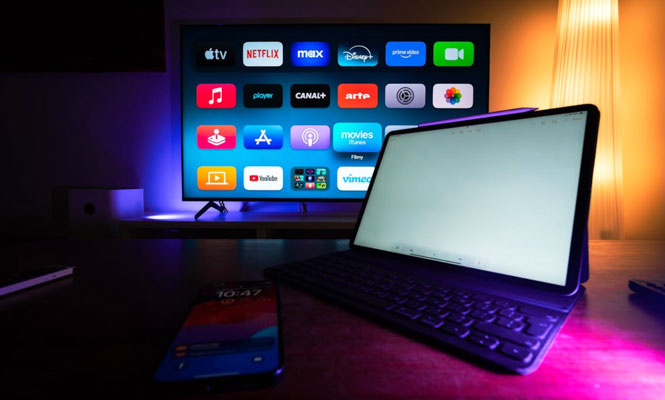
There was a time when Friday night meant finding something good on television and hoping nothing else was on at the same time. The remote had a few buttons, the choices were limited, and somehow that was enough.
Today, the passive version of entertainment has quietly faded, replaced by more interactive experiences. This shift didn’t happen overnight; it developed through years of gradual changes that have reshaped how people spend their downtime. Increasingly, audiences expect to take part in what they consume rather than simply observe it.
Where live experiences fit into modern entertainment
The rise of live, interactive digital content reflects a broader shift in how people engage with entertainment. Audiences are no longer satisfied with simply watching something unfold from a distance.
This is visible across streaming, gaming, live shopping, creator-led broadcasts, and interactive events. Viewers comment in real time, vote on outcomes, join live chats, react to unfolding moments, and expect platforms to respond instantly. The appeal comes from presence: the sense that something is happening now, and that the user is part of it.

Live online casino experiences also sit within this wider movement. They have evolved from static digital formats into real-time, interactive environments where timing, presentation, and user input all matter. Rather than simply observing a fixed piece of content, users engage with a live system that responds instantly.
That focus on participation has become one of the defining trends in modern entertainment. Technology enables this through live video, low-latency streaming, responsive interfaces, and real-time data, but the deeper driver is behavioral. People want digital experiences that feel less passive and more immediate.
The result is a new entertainment standard: audiences expect access, interaction, and feedback simultaneously. Platforms that deliver that sense of presence are better positioned to hold attention because they do not just show users content; they involve them in the experience.
The move away from passive watching
Television built its audience on a simple model: sit down, press a button, and let content come to you. The viewer had little control, and schedules dictated what could be watched and when.
Streaming platforms changed how people access and consume content. Viewers gained control over timing, but the more important shift was in the relationship between audiences and content.
Today’s entertainment platforms increasingly focus on real-time interaction. Audiences can influence outcomes, join live broadcasts, and engage as events unfold. Social media has further blurred the line between watching and participating, turning entertainment into a shared experience.

Why interactivity keeps winning
The appeal of interactive platforms comes down to participation. People want to be part of the experience rather than simply watch it.
Streaming now accounts for over 40 per cent of TV viewing in the U.S., according to Nielsen, surpassing broadcast and cable. What stands out is that the most successful platforms are interactive, allowing users to shape and participate in content.
Live streaming expands this further. Viewers can vote, chat, and influence outcomes in real time. Creators respond instantly, adapting content based on audience input. Each session feels different because participation continually reshapes the experience. That unpredictability is part of its appeal.
Gaming has also played a major role in this shift. Interactive entertainment has moved beyond niche appeal and now serves as a primary way people connect online. This is especially true for those who grew up expecting to participate rather than passively consume. For many, simply watching is no longer enough. They expect involvement across everything they engage with, from music to sports to news.
The friction of too many choices
One consequence of having endless on-demand options is decision fatigue. With so much content available, choosing what to watch can become a task in itself. Research indicates that viewers often spend several minutes browsing before making a decision, with many abandoning the search if nothing captures their attention quickly.
This is where interactive and live content offers a different advantage. There is no catalog to sort through. The experience is already happening, and the choice is immediate. Join or skip. This simplicity reduces the friction of navigating large content libraries.
This effect is even more noticeable among younger audiences. Viewers aged 18 to 24 tend to disengage quickly if content fails to capture their attention within the first few seconds. Interactive formats meet this expectation by offering instant engagement.

What this means for how we spend our time
The shift from passive to interactive entertainment has changed what people expect from their free time. Involvement is now a key measure of value. Experiences are judged not just by what is watched, but by how much participation they allow.
Passive content still has its place. Watching a film or series remains a popular way to relax. However, for many people, participation is becoming the default. They want to respond, make choices, and connect with others while engaging with content.
Platforms that recognize this are growing, while those relying only on traditional, passive formats are finding it harder to retain attention. The direction of change is clear and unlikely to reverse.
A new era of engagement
Entertainment today is shaped by interaction. As platforms prioritize participation, audience expectations will evolve. The most successful experiences will be those that invite people to take part, creating a sense of involvement rather than distance.