Want to launch your own sports apparel brand?
The activewear industry is growing faster than ever, and now is the time to get involved. Starting a sports apparel clothing line is work, but it pays off big time.
Just look at the numbers…
According to recent industry data, the sports apparel market is valued at $283.66 billion in 2026 and is expected to continue rising. That’s BILLION with a B, a lot of potential money.
But here’s the thing:
Nine out of ten clothing brands don’t survive their first year in business. They try to jump ahead without learning the fundamentals.

Here is a step-by-step guide to launching a sports apparel clothing line that sells.
Time to get into it…
What’s inside:
- Why The Sports Apparel Market Is Exploding
- Designing Your Sports Apparel Line
- Picking The Right Production Method
- Launching Your Brand The Smart Way
Why The Sports Apparel Market Is Exploding
The sports apparel market is one of the fastest-growing industries on the planet.
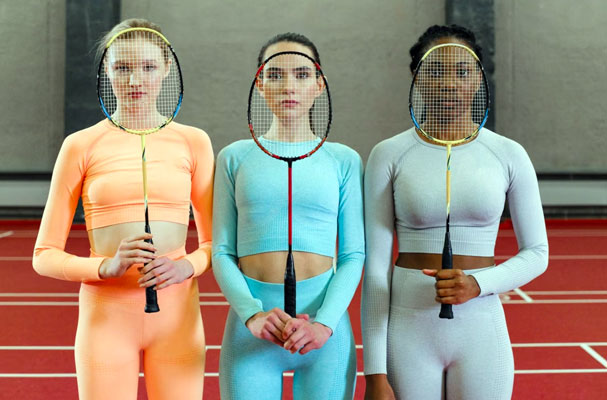
Consumers are no longer purchasing athletic apparel only for the workout. Many are purchasing activewear for casual wear as well.
Here is why this matters for new brands:
- More people are buying activewear than ever
- Customers want fresh designs and new brands
- Big brands can’t satisfy every niche
Research found that millennials lead athleisure consumption at 39% weekly. That’s a huge market craving new products.
The demand is there. You just need to give people something worth buying.
Designing Your Sports Apparel Line
Building a sports apparel clothing line starts with one thing: great design.
You want your designs to be unique in a saturated market and functional for your athlete. This can seem like a difficult task, but it is completely achievable with the proper mindset.

Nail Your Niche First
Don’t attempt to cater to everyone. Successful sports brands focus on a niche market and own it.
Examples of strong niches include:
- Crossfit gear
- Yoga apparel
- Running shorts
- Compression wear for cyclists
- Team uniforms for local sports clubs
Choose a vertical that has an identifiable market and need. After you’ve done that, designing becomes much simpler.
Source Quality Materials
The fabric makes or breaks sports clothing. Athletes need gear that:
- Wicks sweat away
- Stretches in every direction
- Breathes well in hot conditions
- Lasts through many washes
Polyester blends, nylon, and spandex are ideal for activewear. Cotton blends are better used for casual athleisure garments. Consider what the customer is looking for.
Ok moving on to the printing methods… This is where you will either save or spend thousands of dollars.
When ordering small or medium runs of custom sportswear, direct to film printing is one of the most cost-effective methods around. New clothing companies will love how it produces bright colors that last through washing cycles and can be printed on nearly any type of sportswear fabric. Setup fees for screen printing can break the bank when ordering short runs.
For larger production runs consider screen printing or sublimation. Screen printing vs sublimation depends on how much you are ordering and how detailed your graphics are.
Picking The Right Production Method
You have your designs locked in. Now you need to actually produce the gear.

There are three main ways to do this, and each has pros and cons.
Print On Demand
Print on demand is the easiest way to start.
You send your designs to the service. They print, package, and ship every order. No risk of inventory. No upfront investment.
However… There are downfalls to it. Margins are slim, and quality varies. Good way to prototype ideas but unsustainable.
Small Batch Manufacturing
Small batch production is partnering with a factory to produce small quantities of your goods.
This is great because:
- You control the quality
- Margins are much better
- You can offer cut-and-sew custom pieces
The downside? You have to pay up front for the production runs. You’ll need to spend a couple thousand dollars for your initial order.
Full Scale Manufacturing
Full scale manufacturing is for established brands with serious demand.
You manufacture thousands of units at once with foreign or domestic factories.
The margins are the best but it requires:
- A big budget
- Reliable demand forecasting
- Strong supply chain management
Begin with minimal setup, then expand. Don’t go into full production until you have evidence of demand.
Launching Your Brand The Smart Way
Creating a great product is only part of the equation. Convincing people to purchase it is the other.
Build A Strong Brand Identity
Sports apparel is so much more than just wearing apparel. Consumers purchase brands that they believe in.
Your brand needs:
- A clear story and mission
- A distinct visual style
- A voice that speaks to your customer
Consider Lululemon or Gymshark. They created tribes around their products. It’s more than just a logo on a hoodie.
Use Social Media The Right Way
Social media is where athleticwear brands succeed or fail. Platforms like Instagram, TikTok, and YouTube showcase products best.
A few tips:
- Post real athletes wearing your gear
- Share behind-the-scenes content
- Partner with micro-influencers in your niche
- Run user-generated content campaigns
Embrace community. Winning brands build communities.
Set Up A Solid Sales Channel
Where are you going to sell? Most upcoming sports apparel brands open with a Shopify store of their own.
You can also expand into:
- Amazon
- Local boutiques
- Pop up shops at sports events
- Wholesale to gyms and yoga studios
Whichever route you choose, keep your site streamlined, speedy and simple to purchase from. Mobile responsiveness is a must due to the nature of most consumers purchasing on their mobile devices.
Test, Learn And Iterate
The brands that win are the ones that test relentlessly. Try different:
- Designs
- Price points
- Marketing messages
- Sales channels
Pay attention to what your customers are saying to you. They will tell you what is working and what is failing. Facts don’t lie.
Final Thoughts
Developing a sports apparel clothing line is challenging. However, it is most definitely possible. There’s a massive market for these types of clothes; the demand is there, and there’s room for new brands to make it.
To quickly recap:
- Pick a clear niche and own it
- Design for both performance and style
- Choose a production method that fits your budget
- Use the right printing tech to keep costs low
- Build a brand people connect with
- Test everything and keep improving
The athleisure industry isn’t slowing down anytime soon. Consumers are purchasing athleisure products more than ever. It’s time you take advantage.
Start small. Stay focused. And keep iterating until you find what works.
That’s how you build a sports apparel clothing line that actually wins.