

Along with locking your doors and checking your smoke detectors, good renters insurance goes a long way towards keeping your home and belongings secure. We’ve spent thousands of hours researching and vetting the best renters insurance providers and coverage across Arizona. We’ve evaluated the most comprehensive policies from top insurers, including Lemonade, USAA, and American Family.
Our top picks for renters insurance plans
- Lemonade – Best Overall
- USAA – Best for Military Families
- American Family – Best for Traditional Insurance Experience
- State Farm – Best for Agent Network Access
- Liberty Mutual – Best for Customization Options
Best Overall: Lemonade
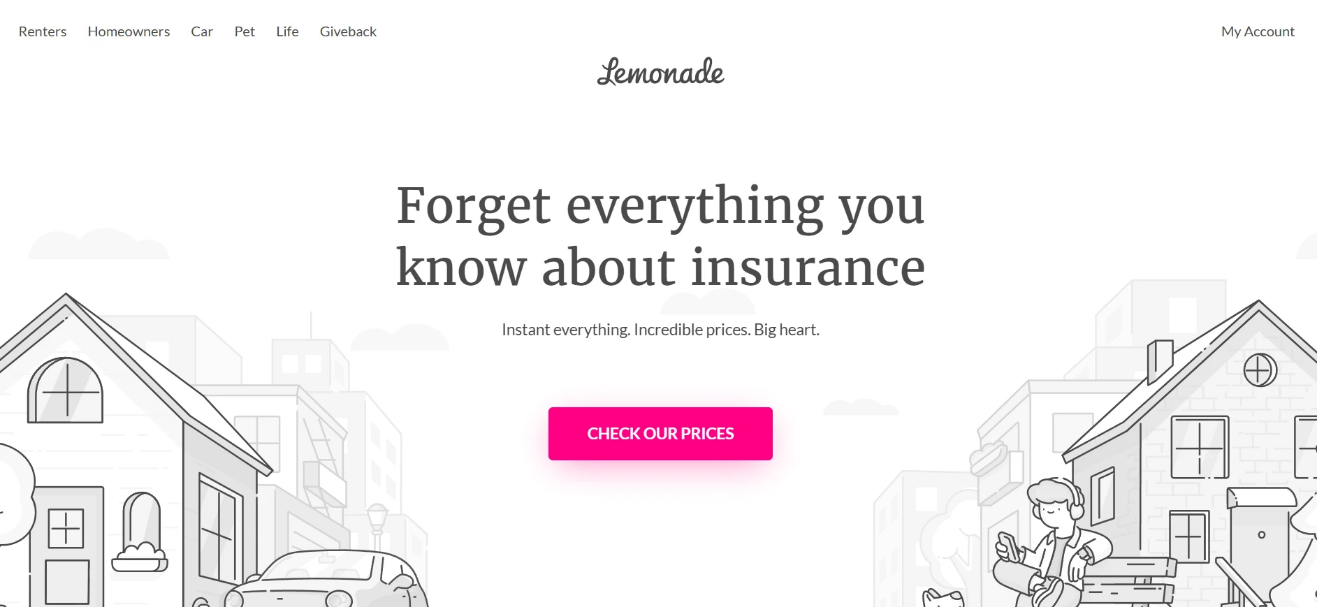
Why we chose it: We chose Lemonade as our best overall renters insurance because of its seamless digital experience, transparent pricing, and incredibly fast claims process.
Lemonade stands apart from traditional carriers through technology-driven insurance that prioritizes speed and transparency. The company uses AI-powered underwriting and claims processing, translating to faster policy setup and claims resolution compared to legacy carriers stuck in agent-based workflows. Many straightforward claims are approved almost instantly, and because its AI handles these quick resolutions so efficiently, Lemonade’s team is freed up to dedicate more time and resources to managing complex claims effectively.
Pricing is competitive, starting from $5/month for basic coverage, though most Arizona renters with standard protection pay between $15 and $20 monthly. Your actual cost depends on coverage limits, deductible choice, and location. The transparency around pricing sets Lemonade apart—there are no hidden fees or agent commissions driving up costs.
The Live Policy feature lets you adjust coverage instantly through the app, particularly useful after making big purchases.
Best for Military Families: USAA
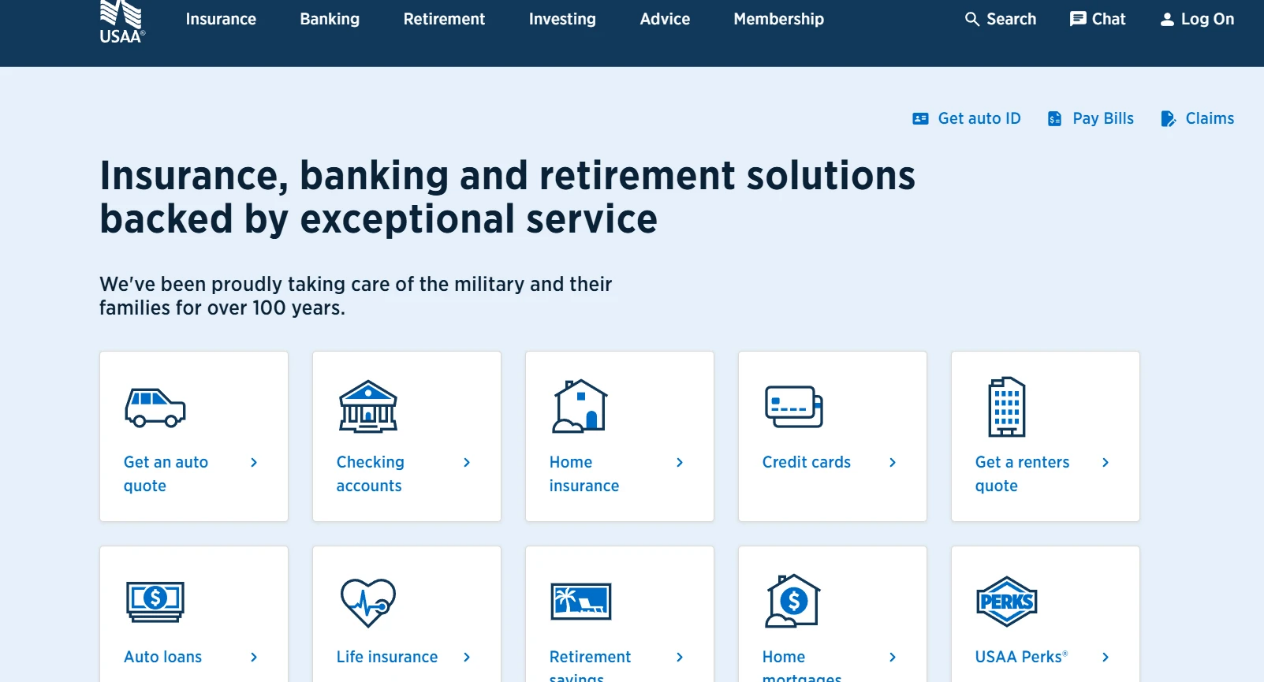
Why we chose it: USAA designs its renters insurance specifically for service members and military families, offering competitive rates, substantial discounts, and coverage endorsements addressing real military life situations.
Military housing residents can save up to 28% on premiums. If military gear gets damaged in a covered claim, USAA waives the deductible entirely, a significant benefit for active-duty personnel. The limitation is strict eligibility: only military members, veterans, and certain family members qualify, excluding most Arizona renters.
While USAA maintains a strong service reputation, customer reviews on Trustpilot and the Better Business Bureau reveal that claims processing times vary considerably.
Best for Traditional Insurance Experience: American Family
Why we chose it: American Family provides standard renters coverage with add-ons for electronics and bicycles, appealing to those who prefer the traditional insurance model with agent support and familiar processes.
Policyholders can adjust deductibles and combine renters coverage with auto insurance for premium discounts. However, this traditional approach involves significant trade-offs. Policy changes and claims processing move substantially slower than digital-first competitors.
For Arizona renters with a claims history, American Family averages around $28 per month compared to the state average of $20. The price difference reflects the carrier’s risk assessment approach and the cost of maintaining a traditional agent network.
Customer complaints we’ve analyzed from the Better Business Bureau show recurring issues. Multiple BBB reviews from early 2026 highlight claim denials, poor communication, and perceived underpayment.
Best for Agent Network Access: State Farm
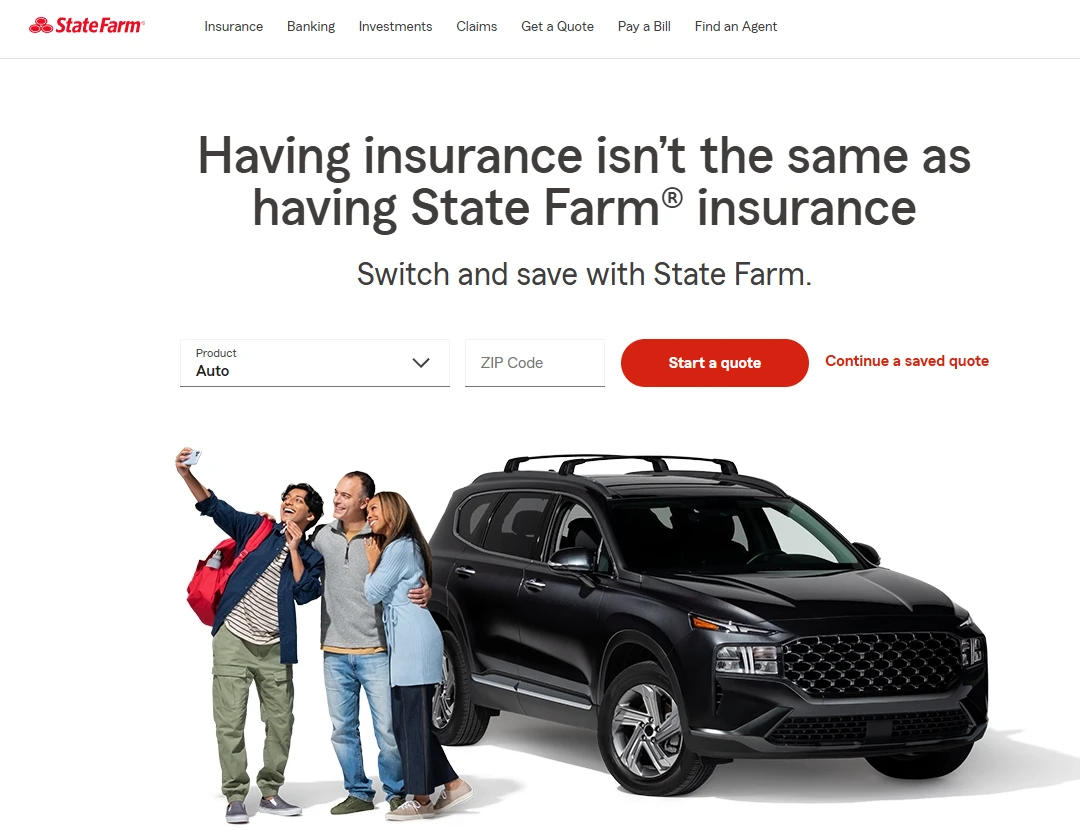
Why we chose it: State Farm maintains a large agent presence across Arizona, making in-person service readily available for renters who prefer face-to-face policy reviews.
Their renters policy covers standard protections: personal property, liability, and loss of use. Coverage limits are adjustable, and bundling with auto insurance reduces overall premium costs. The extensive agent network represents State Farm’s primary advantage.
The trade-off comes in speed and price. State Farm averages around $22 monthly in Arizona, with some renters paying up to $24. Policy changes typically require phone calls rather than instant app updates. Claims move at agent speed rather than digital speed.
More concerning are the customer service issues surfacing in recent reviews. According to MarketWatch’s 2026 analysis, while 97% of customers report satisfaction, complaints center on claim rejections and coverage issues.
Best for Customization Options: Liberty Mutual
Why we chose it: Liberty Mutual offers renters insurance with standard protections and provides flexibility in coverage customization, allowing renters to build policies matching their specific needs.
Policyholders can customize deductibles and explore bundling discounts when combining with auto insurance. A mobile app facilitates basic policy management, though the overall digital experience doesn’t match app-first insurers.
The real concern with Liberty Mutual lies in its claims handling. Despite an A+ BBB accreditation, the company has a customer rating of just 1.09 out of 5 stars based on over 1,100 reviews. The most common complaints focus on claim handling. Policyholders say claims are frequently denied or reduced, reimbursements come in lower than expected, and payouts take an unusually long time.
Why renters insurance is important in Arizona
Arizona presents unique challenges for renters that make insurance coverage essential rather than optional. While the state enjoys over 300 days of sunshine annually, its extreme weather patterns can cause sudden, devastating property damage.
During the summer monsoon season, intense microbursts and torrential downpours frequently lead to flash flooding and roof leaks that can destroy electronics, furniture, and personal belongings within minutes. Additionally, the extreme summer heat puts immense strain on plumbing and HVAC systems, increasing the risk of burst pipes and water damage in apartment complexes.
Beyond weather, property crime remains a significant concern in major metropolitan areas like Phoenix, Tucson, and Mesa. According to recent data, property crime rates in several Arizona cities sit above the national average. If your apartment is burglarized or your car is broken into while parked at a local trailhead, your landlord’s insurance provides zero protection for your stolen items.
Finally, liability risks are ever-present. If a guest slips by your apartment complex pool or gets injured inside your unit, you could be held personally responsible for their medical bills and legal fees. Renters insurance provides a crucial financial safety net against these unpredictable Arizona-specific risks, ensuring a single unexpected event doesn’t derail your financial future.
What you need to know about renters insurance
The cost of replacing your belongings varies widely. Routine items like clothing and small appliances might cost a few hundred dollars to replace. But more complex setups like high-end electronics, specialized sports equipment, and designer furniture can run into the thousands of dollars. Renters’ insurance is particularly useful in lowering the cost of these expensive replacements.
In this section, we’ll explain how renters insurance works, what is covered, how much it costs, and how to choose a policy. By the end, you should have all the information in order to make an informed decision on renters’ insurance in Arizona.
How does renters insurance work?
A renters insurance policy covers expenses for replacing personal property, liability claims, and additional living expenses if your rental becomes uninhabitable.
Providers are regulated at the state level, meaning plan availability, benefits, and rates may vary per state.
What is covered by renters insurance?
Standard renters policies in Arizona protect your personal property against covered perils, including theft, fire, vandalism, smoke damage, and specific types of water damage like burst pipes.
When your laptop gets stolen from your Tempe apartment or a kitchen fire damages your furniture in your Mesa rental, your renters insurance covers replacement costs up to your policy limits minus your deductible. Your personal property coverage extends beyond your apartment walls, protecting items stolen from your car at the grocery store or taken from a hotel room while traveling.
Liability protection activates when someone gets injured in your apartment or you accidentally damage someone else’s property. A guest slips on your wet kitchen floor and breaks their arm? Your liability coverage helps with medical costs and legal expenses that could otherwise devastate your finances.
Loss of use coverage pays for temporary housing, meals, and related expenses if your apartment becomes uninhabitable due to a covered event like fire or severe weather. During Arizona’s monsoon season, when flash flooding or wind damage can make apartments temporarily unlivable, this coverage keeps you housed without draining your savings.
What isn’t covered by renters insurance?
Flood Damage
Flooding from natural sources requires separate flood insurance, which is not included in standard policies. This is a critical distinction for renters in flood-prone areas near washes or low-lying neighborhoods in Tucson and Phoenix.
Roommates’ Belongings
A renters policy covers only individuals specifically listed on that policy. Your roommate needs their own separate renters’ insurance to protect their belongings. This commonly misunderstood aspect leads to coverage gaps that can devastate roommates who assumed they were protected. Each person in the apartment should carry individual coverage.
How much is renters insurance?
Renters insurance is generally very affordable. Pricing starts from $5/month for basic coverage with providers like Lemonade, though most Arizona renters with standard protection pay between $15 and $24 monthly. Cost varies per provider, coverage level, deductible choice, and location.
The plans with the lowest premiums often have higher deductibles. On the other hand, the plans with the highest premiums tend to have lower deductibles and higher coverage limits.
Additional costs to consider
Policyholders pay monthly premiums for their coverage, but that’s not the only expense to keep in mind.
Deductibles
A deductible is the amount you pay before your insurance coverage kicks in. Higher deductibles lower your premium, but increase out-of-pocket costs when filing claims. We typically recommend a $500 deductible as the sweet spot, balancing affordable monthly costs against manageable claim expenses.
How to get renters insurance
Getting renters insurance is easy if you follow these guidelines to pick the best plan provider:
Identify your coverage needs
Start by inventorying your possessions and calculating replacement costs. Walk through your apartment and list everything you own: electronics, furniture, clothing, kitchen items, sports equipment. The cheapest policy won’t help if you’re underinsured when you need to replace a $4,000 tech setup and $3,000 worth of furniture. Your coverage limits should match your actual property value, not what seems like a low monthly payment.
Consider how you prefer managing insurance
Some renters prioritize instant claims and complete mobile control, making digital-first options like Lemonade ideal. Others value in-person consultations and traditional customer service, steering them toward agent-based carriers. Be honest about your preferences.
Check bundling opportunities
If you have auto insurance, multi-policy discounts can significantly reduce overall costs, though verify you’re actually saving versus purchasing separate policies from different carriers. We’ve seen cases where bundling saves 15%, but the base rates were already 20% higher than competitors’, resulting in no real savings.
Best Renters Insurance FAQ
Does renters insurance cover theft in Arizona?
Yes, theft coverage is standard in renters insurance policies across Arizona. Whether theft occurs inside your apartment or outside your home, such as a stolen backpack from your car or a bicycle taken from a bike rack, your policy covers it up to your coverage limits minus your deductible. When using a provider like Lemonade, you can file theft claims directly through their app and receive payment within minutes for straightforward cases.
Does renters insurance cover water damage in Arizona?
Sudden and accidental water damage gets covered under standard Arizona renters’ policies. If a pipe bursts in your Phoenix apartment or the upstairs neighbor’s bathtub overflows into your unit, you’re covered. However, flood damage from natural flooding requires separate flood insurance.
Is renters insurance required in Arizona?
Arizona law doesn’t mandate renters insurance. However, many landlords throughout Phoenix, Scottsdale, Tempe, Tucson, and other Arizona cities require coverage as a lease condition. If your lease specifies insurance requirements, you’ll need proof of coverage before moving in. Digital-first carriers like Lemonade generate proof of insurance instantly through their mobile app, making lease compliance simple.
How much renters insurance do I need in Arizona?
Your coverage needs depend on your belongings’ total value and desired liability protection. Create a home inventory listing all possessions and their estimated replacement costs. Most Arizona renters need between $15,000 and $30,000 in personal property coverage. We recommend $100,000 in liability coverage as a baseline, though you can increase this if you have significant assets to protect.
What happens if I file a claim with my renters insurance?
When you file a claim, you’ll pay your deductible first, then your insurance covers the remaining costs up to your policy limits. Claims processing speed varies dramatically by provider. With digital-first companies like Lemonade, many claims get approved and paid within minutes. Traditional carriers often take days or weeks, requiring multiple phone calls, documentation, and agent reviews.
Methodology
We reviewed plans offered by multiple insurance providers across Arizona. We considered costs, digital experience, claims processing speed, customer satisfaction, and coverage flexibility.
To rank the best renters insurance plans, we evaluated:
- Claims processing speed and approval rates – We prioritized companies that pay out legitimate claims quickly and efficiently, as insurance that doesn’t pay out when you need it isn’t insurance at all.
- Digital experience and policy management – We evaluated how easy it is to get a quote, adjust coverage limits, and file claims.
Customer satisfaction – We reviewed complaint ratios from state agencies, the Better Business Bureau, and reviewed platforms like Trustpilot to gauge real customer experiences.