
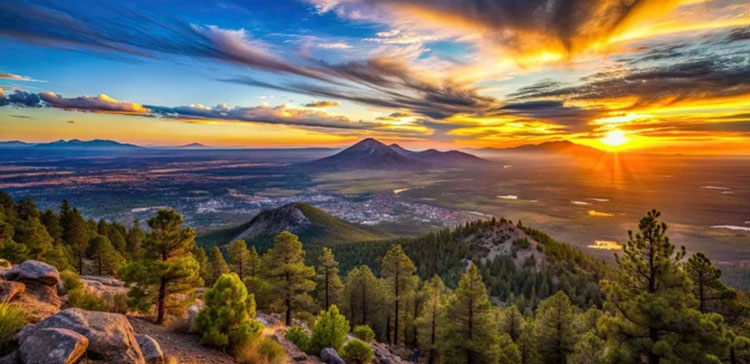
For years, a bumper sticker has circulated in Flagstaff. “Don’t PHX FLG.” The message was simple: do not let Flagstaff become Phoenix. It once sounded like a local joke. Now, as rents rise and extreme heat makes northern Arizona more attractive, it reads more like a warning.
Phoenix’s heat helps explain the pressure. The city recorded 113 straight days at or above 100 degrees in 2024. A year earlier, Maricopa County confirmed 645 heat-associated deaths. Flagstaff, about two hours north and 7,000 feet above sea level, offers a much cooler alternative. For Phoenix residents who can afford to relocate, the contrast is hard to ignore. They arrive, however, with financial resources that many local buyers cannot match.
Why Phoenix Buyers Outbid Local Workers

These newcomers are not showing up with Flagstaff salaries. Many of them are remote workers or retirees who carry equity from a Phoenix home sale. This allows them to outbid residents without hesitation. Flagstaff also has nowhere to grow. The city is ringed by the Coconino National Forest, so the supply of houses barely moves while demand keeps arriving.
The numbers tell the rest. Median household income in Flagstaff is around $71,512, about 13% below the national figure, per Census data. Housing costs 53% more than the national average, according to PayScale. A 2024 Heritage Foundation report calculated that it now takes more than 100% of the median after-tax income to afford a median-priced home in the area. In plain terms, the typical local paycheck no longer buys the typical local house.
Why a $700,000 Home Exceeds Local Budgets
So what does that house cost? As of April 2026, the median sale price was around $710,000, down 3.3% year over year, and roughly 79% above the national median, as per Houzeo.
This economic weight doesn’t fall on the wealthy newcomers; it lands squarely on the teachers, nurses, and line cooks who keep the city’s tourist economy running. Flagstaff first declared a housing crisis in December 2020, years before Phoenix reached its record-breaking high temperature of 118 to 122 degrees. The crisis has only deepened since then.
How Second Homes Reduce Local Supply
In 2018, Flagstaff’s mayor estimated that second homes made up about 25% of the city’s housing. A newer city count adds context to that concern. Flagstaff had about 600 short-term rentals at the start of 2021. By February 2025, that number had risen to 1,142. Short-term rentals are not the same as second homes, but both can keep properties out of the year-round housing market. That leaves local renters and buyers with fewer choices. On platforms like Houzeo, buyers can see the practical result: a limited pool of available homes and strong competition for properties that fit a local household’s budget.
HUD’s market analysis found 58% of the lowest-income renters are severely cost-burdened, compared with 47.9% nationwide. The city’s own 10-Year Housing Plan report puts a number on the pain: a family of four pays $824 more per month to reside in Flagstaff than that same family would pay in Phoenix.
Why Flagstaff Homes Sell Faster
Flagstaff’s housing market has cooled, but buyers still face a difficult market. Through the three months ending May 2026, the median home price fell 1.5% year over year to $714,500. Homes also sold in 31 days, compared with 40 days a year earlier. The faster pace does not contradict the price decline. It suggests that lower or more realistic prices helped well-positioned homes attract buyers sooner.
If you browse Flagstaff homes for sale today, you’ll find a market that is adjusting, not collapsing. Buyers have more choices than they did during the pandemic, but desirable homes can still sell quickly. Lower prices have opened a few doors, yet affordability remains the main barrier for local families.

Why Affordability Pressure Will Continue
Even though the market has adjusted lately, the affordability gap is not going away. A retiree from Phoenix and a local nurse might both start their search on the same app, but the retiree is much more likely to present a competitive cash offer. Meanwhile, the nurse still struggles to find a home that actually fits a local budget.
Extreme heat was not the original cause of this housing crisis, but it certainly continues to drive the migration patterns we see today. As more people with the financial means to relocate head north to escape the heat, demand will likely stay strong. This keeps the pressure on affordability for many people who have lived in Flagstaff for generations.
Despite these challenges, the city’s appeal is rooted in its long-term strengths. The quality of life and access to the outdoors are major draws that keep buyers interested even as the market evolves. For those who take the time to understand the local dynamics and plan their moves carefully, Flagstaff remains one of the most sought-after places to live in the American West.