
Arizona’s summer heat pushes pests indoors seeking shade and moisture at exactly the moment monsoon rains create new breeding conditions outdoors. Together, they produce the state’s sharpest seasonal pest spike, with specific desert species requiring specific preparation. This piece covers what drives the summer surge, the species that matter most in Arizona, and what to do when one turns up inside.
What Actually Drives Arizona’s Summer Pest Spike?
Two forces converge during Arizona summers in a way that does not happen in most other regions. Extreme heat drives pests toward any available shade and moisture, and homes offer both more reliably than the exposed desert outside. At the same time, monsoon season brings sudden moisture to an environment that spends most of the year without it, creating breeding conditions for species whose populations would otherwise stay naturally suppressed by drought.
Homeowners dealing with this seasonal surge often look to established pest control providers for both prevention and response. PestAside is one option among several serving Arizona homeowners through this exact seasonal challenge, offering products suited to the specific species and timing described below.
| Driver | What it does |
| Extreme heat | Pushes pests toward shaded, moisture-rich indoor spaces |
| Monsoon moisture | Creates sudden breeding conditions for otherwise drought-suppressed species |
| Irrigation and landscaping | Provides a consistent water source that sustains pest populations near the home |
That combination explains why Arizona’s pest season concentrates so heavily into a specific summer window rather than spreading evenly across the year, as it might in a more temperate climate.

Which Species Actually Matter in Arizona Specifically?
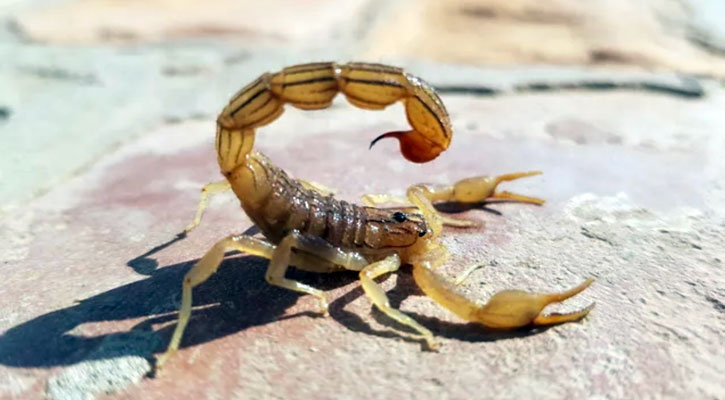
Generic summer pest advice misses the species that actually matter most in Arizona, and getting this wrong wastes preparation effort on the wrong threats. Bark scorpions deserve particular attention, since Arizona is home to the only scorpion species in the United States capable of delivering a medically significant sting, and they are drawn indoors during summer heat more than most other desert pests.
Arizona State Parks’ guide to scorpions covers identification and behavior in detail, which matters since accurate identification changes how seriously a sting should be treated. Beyond scorpions, summer brings increased activity from ants seeking water sources, termites during their post-monsoon swarming period, and rodents drawn indoors by the same heat and shade pressures affecting insects.
Correctly identifying which of these is actually present matters more than generic pest prevention, since the effective response differs meaningfully between a scorpion problem, a termite swarm, and a rodent issue, even though all three might show up in the same summer window.
What Pre-Season Preparation Actually Works, and When Should It Happen?
Timing matters as much as the actions you take, since preparation done too late misses the window when it would be effective. Sealing exterior gaps and cracks works best done before the heat intensifies in late spring, since scorpions and other pests seek entry points once outdoor temperatures become genuinely inhospitable. Reduce standing water and irrigation runoff near the foundation ahead of monsoon season, since this prevents moisture-driven breeding conditions from forming close to the home in the first place. Trimming vegetation away from exterior walls removes both shade and a physical bridge many pests use to reach entry points.
This guide to safeguarding homes against sudden weather shifts covers related seasonal preparation from a broader perspective, useful context alongside the pest-specific timing above since monsoon season brings weather-related home risks beyond pests alone.

Homeowners who wait until pests are already visible indoors have missed the window for effective prevention and shift into reactive response, which tends to be more expensive and less thorough than preparation done ahead of the season.
What Should a Homeowner Actually Do When They Find One Indoors?
For scorpions specifically, because a bark scorpion sting can be medically significant, the response differs from general pest encounters. A sting to a healthy adult typically causes significant local pain but is rarely dangerous, though children, elderly individuals, and anyone with a severe reaction should seek medical attention promptly rather than waiting to see how symptoms develop.
For other common summer pests, containment and identification come first, followed by addressing the entry point that allowed access rather than only removing the pest you find. A single scorpion or ant indoors is rarely an isolated incident. It usually signals an entry point or attractant that will cause repeat encounters until you address it directly.
FAQ
Why do pest problems spike specifically during Arizona summers rather than year-round?
The combination of extreme heat driving pests indoors and monsoon moisture creating new breeding conditions concentrates the state’s pest pressure into a specific summer window, unlike more temperate climates where pest activity spreads more evenly across the year.
Are bark scorpions actually dangerous, or is the concern overstated?
Bark scorpions are the only US scorpion species capable of a medically significant sting. A sting typically causes significant pain in healthy adults without lasting danger, but children, elderly individuals, and anyone with a severe reaction should seek prompt medical attention.
When should pre-season pest preparation actually start?
Sealing entry points works best before late spring heat intensifies, while reducing standing water and irrigation runoff should happen ahead of monsoon season specifically, since timing preparation to precede each driver matters more than doing it all at once.

What should someone do if they find a pest indoors during summer?
Correct identification comes first, since the appropriate response differs between species, followed by addressing the entry point that allowed access rather than only removing the pest found, since a single sighting usually signals a repeat issue if left unaddressed.