


Column By Blaine Bandi, CEO, Wesley Community & Health Centers, and Jean Kalbacher, CEO, UnitedHealthcare Community Plan of Arizona
While healthcare continues to evolve, many families still face challenges that make affordability and accessing care far more complex than simply scheduling a doctor’s appointment.
Accessing healthcare for many families often means finding reliable transportation, taking time off work, navigating language barriers, and arranging childcare. These barriers may look different from one household to another, but the result is often the same: forgoing medical care to make ends meet.
That is why community health centers are so critical.
Across Arizona, federally qualified health centers (FQHCs) and community-based clinics serve as trusted access points for children, adults and families who might otherwise struggle to receive timely, affordable care. Arizona is home to 23 federally qualified health center organizations operating more than 250 sites statewide and serving more than 870,000 patients each year, roughly one in nine Arizonans.
These health centers are deeply rooted in the communities they serve, providing far more than primary and preventive care. They connect patients with dental services, behavioral healthcare, maternal health support, nutrition assistance, insurance enrollment support, transportation resources and other essential services that address the social and economic factors influencing overall health.
By meeting people where they are and addressing the whole person, community health centers help improve health outcomes while strengthening communities across our state.
Improving access to care requires strong collaborations among health plans, community health centers and local organizations. Each plays an important role in helping individuals and families navigate the healthcare system. Health plans can support care coordination, outreach and connections to benefits, while community health centers provide trusted, local care from providers who understand the unique needs of the communities they serve.
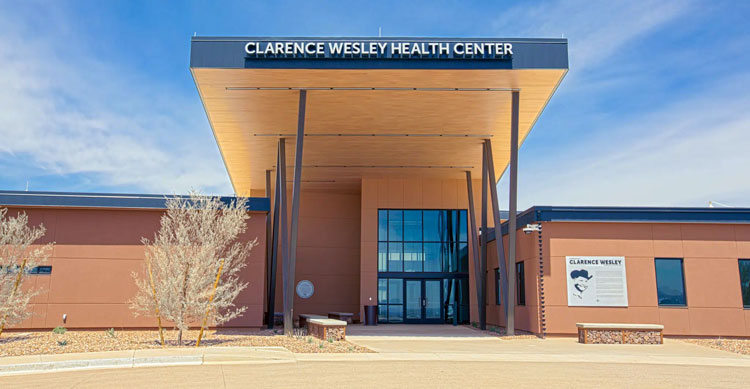
One example of cross-sector collaboration is the Mary Rose Wilcox Center for Healthcare and Innovation, currently under development by Wesley Community & Health Centers in central Phoenix. UnitedHealthcare Community Plan of Arizona has provided funding to support the center, which is poised to expand access to care by increasing the number of people receiving primary medical and behavioral health services from Wesley annually. Once open, it will serve as a hub for community wellness, bringing healthcare and supportive services closer to families across the region.
These collaborations are especially important when it comes to expanding access for people facing the greatest barriers, including children, expectant mothers and families managing complex health needs. By bringing services closer to where people live and connecting patients with the right resources at the right time, these collaborations may help more people receive preventive care, manage chronic conditions and access support before health concerns become crises.

Preventive care is one of the clearest examples. A well-child visit, dental screening or blood pressure check may help identify more complex health concerns early, support healthier habits and reduce the likelihood of more serious complications later. For families, preventive care visits may also help build a trusted connection to the healthcare system, making it easier to stay engaged with routine care, navigate health concerns and access support throughout the year.
Community health centers are also uniquely positioned to address the social factors that influence health. A provider may identify a health concern in the exam room, but a patient’s ability to follow through may depend on whether they have transportation, stable housing, food access or support understanding next steps. That is where coordinated collaborations among health plans, providers and community organizations become essential.
When these organizations work together, they can help close gaps that no single entity can solve alone. Community health centers provide care where people live. Health plans help connect members with services and resources. Nonprofit and public sector organizations address needs that extend beyond the clinic. Together, these efforts create a more connected system — one designed around the needs of the people it serves.
This work is especially important for children and families. Good health in childhood affects school attendance, learning, development and long-term well-being. When families have reliable access to preventive care, oral health services, behavioral health support and community resources, they are better positioned to thrive.
But access does not happen by accident. It requires sustained investment, collaboration and a shared commitment to meeting people where they are.
Strengthening community health centers, supporting care teams and building stronger bridges between health plans, local providers and community-based organizations must remain a priority.