

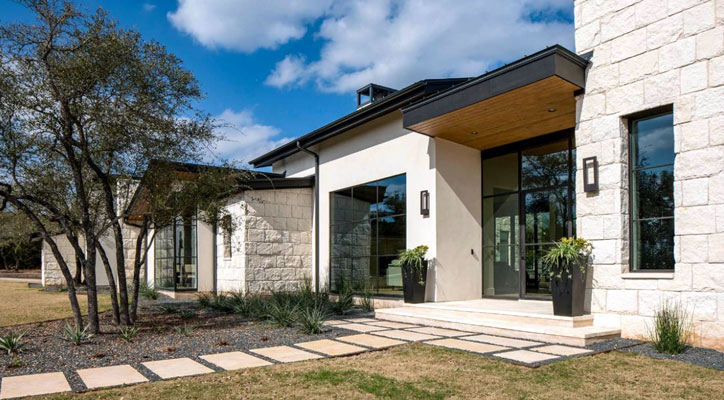
If you own a home in Dripping Springs, Texas, you already know that Hill Country living comes with a lot of advantages: beautiful views, larger lots, custom homes, quiet neighborhoods, and a little more breathing room than you’ll find in the middle of Austin. But those same benefits often come with electrical demands that are very different from a typical suburban home.
In Dripping Springs and the surrounding Hill Country, homeowners are often dealing with powerful summer thunderstorms, lightning activity, long utility runs, private wells, gated entrances, outdoor lighting systems, detached garages or workshops, and larger HVAC loads. Add in remote work, smart home systems, pool equipment, and the cost of replacing modern appliances, and it’s easy to see why more homeowners are starting to think beyond basic electrical service.
That’s where whole-home surge protection and backup power planning come into the conversation.
For many families in communities like Belterra, Headwaters, Caliterra, and properties near Driftwood, Fitzhugh Road, Hamilton Pool Road, and Ranch Road 12, electrical planning is no longer just about “having power.” It’s about protecting the home, avoiding costly damage, and making sure essential systems stay operational when Texas weather or utility issues cause disruptions.

Why surge protection matters so much in Dripping Springs
When homeowners hear the word “surge,” they often think of a power strip under a desk protecting a laptop or TV. But that’s only a small part of the picture. A whole-home surge protection strategy is designed to protect the entire electrical system of the home from sudden voltage spikes that can damage or shorten the life of expensive equipment.
And in Dripping Springs, there are several reasons surge protection is especially important.
1. Summer storms and lightning are a real risk in the Hill Country
Central Texas storms can be intense, especially in the spring and summer. A thunderstorm rolling through Dripping Springs can bring lightning, wind, and utility interruptions all in the same evening. Even when lightning doesn’t strike your home directly, nearby strikes can create power surges through the utility system or through grounded systems around the property.

Those surges may only last a fraction of a second, but that’s all it takes to damage sensitive electronics and electrical components.
Items at risk can include:
- HVAC systems and thermostats
- refrigerators and freezers
- ovens and microwaves
- washers and dryers
- televisions and entertainment systems
- computers and networking equipment
- smart home devices and security systems
- garage door openers and gate operators
- pool control panels and automation systems
In a larger custom home, the number of systems tied into the electrical panel can be significant. One strong surge event can create expensive problems quickly.
2. Utility fluctuations can affect homes even without a major storm
Power problems aren’t always dramatic. In some homes, the bigger issue is smaller fluctuations over time—brief voltage spikes, inconsistent utility power, or disturbances that happen when service is interrupted and restored.
Homes on larger lots or in more rural parts of the Dripping Springs area may have longer utility runs or more complex electrical layouts than a standard neighborhood tract home. That doesn’t automatically mean there’s a problem, but it does mean electrical planning matters more. If a home has well equipment, detached structures, extensive outdoor circuits, and multiple subpanels, there are simply more systems that can be affected by unstable power conditions.

Whole-home surge protection helps create a first line of defense at the panel level, reducing the chance that one event damages expensive equipment throughout the property.
3. HVAC systems are too expensive to leave unprotected
In Dripping Springs, HVAC systems work hard. Summers are long, temperatures stay high, and many homes have a lot of square footage to cool. Some properties have multiple air conditioning systems or zoning equipment to handle larger floorplans.
Those systems are among the most expensive mechanical components in the home. They also contain sensitive electrical boards, motors, capacitors, and controls that can be vulnerable to surges.
If your air conditioner, mini-split system, or heat pump is essential to keeping your home comfortable through a Hill Country summer, protecting it should be part of the electrical plan—not an afterthought.
4. Modern Texas homes have more electronics than ever before
Even homes that don’t feel “high-tech” usually have a surprising amount of sensitive equipment built into daily life. Wi-Fi systems, routers, smart TVs, home office equipment, gaming systems, refrigerators with control boards, smart ovens, alarm systems, irrigation controllers, EV chargers, and app-controlled thermostats all depend on clean, stable power.
In communities like Headwaters, Belterra, and Caliterra—where many homes are newer and often include upgraded appliances, home offices, and integrated technology—surge protection makes even more sense. It’s a relatively small investment compared to the cost of replacing multiple damaged devices or troubleshooting intermittent issues after a surge event.
Why larger custom homes and ranch-style properties often need stronger electrical planning

Not every home in Dripping Springs, Texas is the same. Some are located in planned communities with newer construction, while others sit on larger parcels with gates, wells, detached buildings, and more rural infrastructure. That matters because the electrical needs of those homes are often much more complex than a standard city lot.
A larger custom home may have:
- multiple HVAC systems
- larger electrical panels or multiple subpanels
- outdoor kitchens and entertainment areas
- landscape lighting throughout the property
- pool and spa equipment
- gate operators and long driveway lighting
- well pumps and water treatment systems
- detached garages, workshops, barns, or guest houses
- dedicated circuits for office equipment, gym equipment, or EV chargers
The more systems your property depends on, the more important it becomes to think about protection and continuity of power. If one surge or outage affects not just your kitchen but also your gate, internet equipment, well system, detached office, and pool controls, the disruption can be much bigger than most homeowners expect.
That’s one reason many people turn to a Trusted Electrician In Dripping Springs, TX when they want to evaluate the entire property—not just the main panel in isolation.
Outdoor electrical systems are a major factor in Dripping Springs, Texas homes
One of the biggest differences between a Hill Country property and a more compact suburban home is the amount of outdoor electrical equipment involved. Outdoor systems add convenience, security, and curb appeal, but they also increase the need for proper installation, grounding, and protection.
Common outdoor electrical systems in Dripping Springs include:
Automatic gates
Gated entrances are common on larger properties and homes with long driveways. Gate operators depend on reliable power and often include control boards, sensors, intercoms, keypads, and smart access systems. These components can be vulnerable to electrical surges and storm-related issues.
Well equipment
Many homes outside denser utility areas rely on private well systems. A well pump is not optional when it’s your water source—it’s essential. If an outage or electrical issue takes that system offline, the inconvenience is immediate. Backup power planning is especially important for homes that depend on well equipment for everyday living.
Landscape lighting
Path lighting, accent lighting, security lighting, and lighting around patios, driveways, and outdoor entertaining spaces are common upgrades in Dripping Springs homes. These systems can involve transformers, timers, smart controls, and extensive low-voltage or line-voltage runs that should be designed and protected properly.
Pool and spa equipment
Pool pumps, heaters, automation panels, lighting, and water features all depend on electrical systems working correctly. If you’ve invested heavily in an outdoor living space, it makes sense to protect that equipment from surges and evaluate whether certain components should be tied into backup power planning.
Detached workshops, guest houses, and outbuildings
A detached workshop or guest house often has its own feeder, subpanel, lighting, receptacles, and possibly HVAC equipment. That creates more opportunities for electrical issues if the property isn’t planned carefully. It also raises questions about which structures or circuits matter most during an outage.
Why backup power planning is becoming more important in Dripping Springs
Whole-home surge protection helps protect equipment from voltage spikes, but it doesn’t keep the lights on during an outage. That’s where backup power planning comes in.
For many Dripping Springs homeowners, backup power used to be seen as a luxury. Today, it’s increasingly viewed as practical infrastructure—especially for households that work from home, rely on strong internet, or simply have too many essential systems to be without power for long.
Home office and remote work needs have changed the equation
If someone in the household works remotely, even a short outage can shut down:
- internet and Wi-Fi
- desktop computers and monitors
- routers and network switches
- printers and charging stations
- security systems and smart home hubs
- phone chargers and communication devices
For a family that depends on reliable connectivity for work, school, or business, losing power for several hours is more than an inconvenience. It can interrupt meetings, billing, customer service, scheduling, and productivity.
That’s why more homeowners are asking whether they should plan for:
- a portable generator with a safe transfer setup
- a standby generator for automatic backup power
- selective backup for critical circuits only
- backup for internet, office, refrigeration, and well equipment
- future expansion if the property’s electrical needs grow
A good electrical plan doesn’t have to mean powering every square foot of the home during an outage. Sometimes it means identifying the systems that matter most and building around those priorities.
What surge protection and backup planning can work together to accomplish
The best approach usually isn’t “surge protection or backup power.” It’s understanding how the two work together.
Whole-home surge protection helps protect:
- HVAC equipment
- appliances
- electronics
- smart home systems
- pool controls
- gate systems
- well pump controls
- office equipment
Backup power planning helps keep key systems running during outages, such as:
- refrigeration
- selected lighting and receptacles
- internet and office equipment
- security systems
- garage doors or gates
- well pumps
- septic or water systems where applicable
- one HVAC system or other priority loads, depending on the setup
For many homes in Dripping Springs, the smartest move is to look at the property as a whole and decide where the vulnerabilities are. A family in Belterra may prioritize home office reliability and HVAC protection. A property near Hamilton Pool Road may care more about well equipment, gate access, and detached structures. A larger custom home near Fitzhugh Road may need a broader strategy that includes multiple systems and future load planning.
Can a handy homeowner install surge protection or backup power equipment as a DIY project?
This is the question many homeowners eventually ask: Is this something I can do myself if I’m comfortable with tools and basic home projects?
For simple plug-in surge strips inside the home, sure. Those are basic consumer products. But whole-home surge protection, transfer equipment, generator interlocks, standby generator connections, subpanel work, and critical-load backup planning should not be treated like a casual do-it-yourself project.
Here’s why.
1. The work happens at the electrical panel
Whole-home surge protection devices are typically installed at or inside the electrical panel. Backup power planning may involve transfer switches, interlock kits, load calculations, breaker changes, grounding considerations, and evaluating service capacity. That’s not cosmetic work—it’s panel-level electrical work where mistakes can damage equipment, create shock hazards, or cause code violations.
2. Every property’s electrical setup is different
A home with a well, detached guest house, gate system, and pool equipment is not the same as a 1,600-square-foot suburban home with one panel. The right approach depends on panel brand, service size, existing load, grounding, outdoor equipment, and which circuits need protection or backup. Guesswork is not a good strategy when essential home systems are involved.
3. Incorrect installation can create safety and utility problems
Improper generator connections and transfer methods can be dangerous. Incorrect work can risk damage to the home, the generator, connected appliances, and in serious cases create backfeed hazards. It can also lead to failed inspections or insurance headaches later if something goes wrong.
4. A licensed electrician can design the system instead of just “adding parts”
The value of hiring a professional isn’t just labor—it’s planning. A licensed electrician can evaluate the panel, identify the loads that matter most, recommend surge protection options, determine whether backup power should cover the entire home or only essential circuits, and make sure the installation is done safely and correctly.
For that reason, this is one of those upgrades that is best left to a Texas-licensed electrical professional rather than a DIY weekend project. If you’re investing in protection for HVAC equipment, electronics, office systems, gates, pumps, and major appliances, it makes sense to have the work done properly the first time by Texas licensed Electricians in Austin, TX natives trust—especially when they also serve nearby Hill Country communities like Dripping Springs.
What homeowners should ask before moving forward
If you’re thinking about surge protection or backup power planning, it helps to start with a few practical questions:
- Do you have expensive HVAC equipment, smart appliances, or home office electronics you want to protect?
- Does your home rely on a well pump, gate operator, or detached building that would be a problem during an outage?
- Have you experienced flickering lights, storm-related outages, or power issues after thunderstorms?
- Do you work from home and need internet and office equipment to stay online?
- Are you planning to add a pool, workshop, guest house, or EV charger in the near future?
- Is your electrical panel already near capacity, or has it not been evaluated in years?
The answers can help shape whether your home needs basic surge protection, a more advanced panel upgrade and protection strategy, or a backup power solution that keeps the essentials running when the weather doesn’t cooperate.
Final thoughts for Dripping Springs homeowners
Dripping Springs homes often have more electrical complexity than people realize. Between summer storms, lightning, larger custom homes, long utility runs, outdoor systems, well equipment, and the increasing importance of reliable internet and home office power, it makes sense that more homeowners are taking surge protection and backup planning seriously.
This isn’t about fear-based marketing or overbuilding a system you don’t need. It’s about matching your electrical planning to the way Hill Country homes are actually used. If your home includes valuable HVAC equipment, outdoor infrastructure, a home office, or systems that can’t easily go offline, proactive planning can save money, reduce frustration, and protect the way your property functions day to day.
If you’re not sure where your home stands, a Trusted Electrician In Dripping Springs, TX can evaluate your panel, property layout, and priority systems to help you decide whether whole-home surge protection, backup power planning, or both make sense for your home. And if you own a larger property in Belterra, Headwaters, Caliterra, Driftwood-adjacent areas, or along Fitzhugh Road, Hamilton Pool Road, or Ranch Road 12, it’s worth looking at your electrical system before the next major storm does it for you.