Pool cleaning often takes longer than homeowners expect. The actual vacuuming is only one part of the job. Before that, there may be hoses to connect, baskets to check, poles to carry, and leaves to skim from the surface. Afterward, there may be filters to rinse, tools to store, and walls or steps that still need brushing.
For busy families, time matters. A pool may need to be ready before weekend guests arrive, before kids swim after practice, or before friends come over to watch a game. In hot and dusty areas, one windy afternoon can leave the water looking messy again.
That is why many homeowners compare a traditional vacuum with a robotic option. The question is not only which one cleans better. Which one saves more hands-on time in a normal weekly routine?
How a Traditional Pool Vacuum Works
Manual Vacuums Need More Hands-On Time
A traditional manual vacuum is simple and familiar. The homeowner usually connects a vacuum head to a telescopic pole, attaches a hose, primes the hose with water, and connects it to a skimmer or suction port. Then the vacuum is moved slowly across the pool floor.
It can work well, especially for spot cleaning. If there is a small patch of sand near the steps or dirt in one corner, a manual vacuum gives the owner direct control. It is also usually cheaper upfront than a robotic cleaner.

The drawback is time. Manual vacuuming requires the owner to stay with the job from start to finish. Moving too quickly can stir fine debris back into the water. Walls, steps, and the waterline often need separate brushing. For a homeowner who only has a short window before guests arrive, the setup and cleanup can feel just as annoying as the cleaning itself.
Suction Vacuums Rely on the Pool System
Suction vacuums reduce some manual movement, but they still depend on the pool’s pump and filtration system. They connect to the skimmer or suction line and move through the pool using the water flow created by the pump.
This can be helpful for routine floor debris, but there are trade-offs. Because suction models use the pool’s filtration system, leaves, sand, and dirt may add more load to the filter and baskets. After cleaning, the homeowner may still need to empty baskets, check filter pressure, and backwash or rinse the filter if needed.
Suction cleaners can save some effort, but they are not fully independent. They also may not handle walls, waterline buildup, or shallow areas as well as homeowners expect.

How a Robotic Pool Vacuum Saves Time Differently
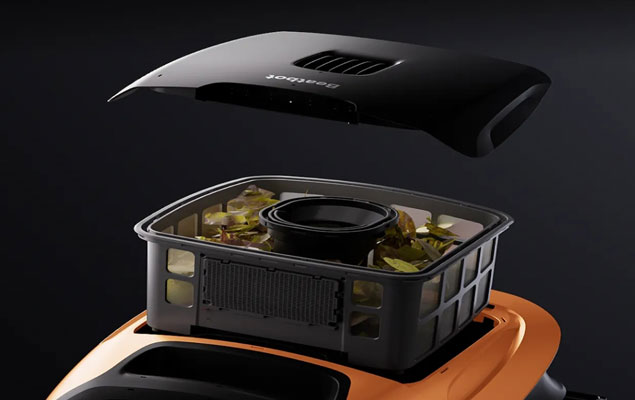
A robotic cleaner saves time in a different way. It does not need the same hose setup as a manual or suction vacuum. Many robotic cleaners have their own motor, brushes, debris basket, and cleaning movement. The owner places the cleaner in the pool, starts the cycle, and lets it do much of the physical work.
That does not mean the owner can ignore the pool. The basket still needs to be emptied. Filters still need rinsing. Water still needs testing. Large branches or heavy debris should still be removed manually first.
The time saving comes from reducing repeated hands-on cleaning. Instead of guiding a vacuum across the floor for every full clean, the homeowner can handle other tasks nearby: checking pH and chlorine, cleaning the patio, getting food ready, or setting up chairs before guests arrive.
A pool vacuum robot is most useful when the pool needs regular cleaning, not just one quick spot fix. The more often the pool collects dirt, sunscreen residue, sand, and fine debris, the more valuable that saved hands-on time becomes.
Where Traditional Vacuums Still Make Sense
Traditional vacuums still have a place. They are useful for small pools, tight budgets, and quick spot cleaning. If a small amount of sand collects in one area, it may be faster to grab a manual vacuum than to run a full robotic cycle.
They are also useful as backup tools. If a robotic cleaner is charging, unavailable, or not suited for a very specific corner, a manual vacuum or brush can still solve the problem.
After storms or heavy winds, manual removal is often the first step. Large leaves, branches, and sharp debris should be removed before any cleaner runs. A robot is not meant to chew through everything that lands in the pool after rough weather.
So the fair answer is not that traditional vacuums are outdated. They can save money up front and work well for certain jobs. They simply do not always save time when the whole pool needs regular cleaning.
Where Beatbot Robotic Cleaning Fits Into Daily Pool Care
For homeowners comparing a traditional vacuum with a robotic option, the Beatbot Sora 30 is a practical example because it focuses on the cleaning zones that usually require the most effort. Beatbot Sora 30 is designed for both above-ground and in-ground pools, with coverage for the floor, walls, waterline, and shallow areas. That matters because a traditional vacuum may handle the pool floor, but homeowners often still need separate brushing for the walls and waterline. If the goal is to save time across a normal weekly routine, broader cleaning coverage matters more than simply replacing one vacuum head with another tool.
In a real backyard routine, a homeowner could skim large debris first, check the water, then let Beatbot Sora 30 handle much of the settled dirt and wall or waterline buildup. This can be useful before weekend guests, after kids have used the pool, or during dusty and windy weeks. For anyone comparing an automatic pool vacuum, the useful question is whether it reduces the chores that usually take the most repeated effort.
The wording should stay realistic. Beatbot Sora 30 does not replace water testing, chemical balancing, filter care, basket emptying, or occasional manual brushing in tight corners. It is best positioned as a time-saving cleaning support tool, not a complete replacement for all pool maintenance.
Which One Saves More Time in Real Life?
The answer depends on the job.
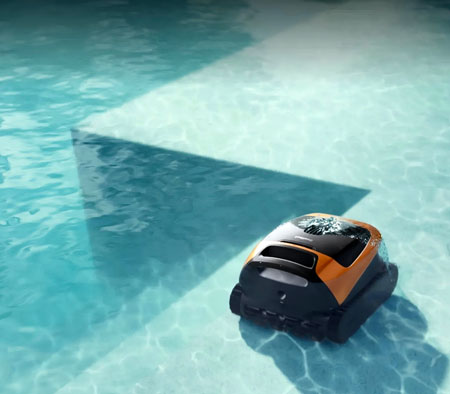
For one small dirty spot, a traditional vacuum may be faster. The homeowner can clean the area directly and move on. For a full weekly clean, a robotic cleaner usually saves more hands-on time because it reduces the need to guide a vacuum across the entire floor.
For walls and the waterline, a robotic cleaner with the right coverage can save even more time. These areas often require extra brushing after traditional vacuuming. If the cleaner can support those zones, the weekly routine becomes easier to repeat.
For storm debris, manual cleaning still comes first. Large debris should be removed with a net before any vacuum or robot runs. For busy families, the biggest time-saving usually comes from consistency. A cleaner that is easy to start is more likely to be used before the pool gets badly behind.
Beatbot Robotic Pool Vacuum vs Traditional Pool Vacuum Comparison
| Factor | Traditional Pool Vacuum | Beatbot Robotic Pool Vacuum |
| Setup time | Usually needs hose, pole, and connection | Usually place in pool and select mode |
| Hands-on effort | High for manual vacuuming | Lower during cleaning cycle |
| Pool floor cleaning | Good with careful use | Good for routine debris |
| Wall and waterline care | Usually needs separate brushing | Supported on Sora 30 |
| Filter impact | Suction models use pool filter | Uses onboard debris basket |
| Best for | Spot cleaning and tight budgets | Regular cleaning with less manual effort |
| Still requires | Brushing, water testing, filter care | Basket cleaning, water testing, filter care |
The best setup may include both. A robotic cleaner can handle regular cleaning, while a manual vacuum or net can stay available for quick fixes, large debris, or unusual spots.
Choosing the Right Cleaning Plan for Your Pool
Choose a traditional vacuum if your pool is small, debris is light, and budget is the top concern. It can be simple, affordable, and effective for owners who do not mind doing the work by hand.
Choose robotic cleaning if weekly vacuuming and brushing take too much time. This is especially true if the pool gets regular use, collects dust or sand, or needs attention around the walls and waterline.
No cleaner removes every responsibility. Water chemistry, filtration, circulation, and safety checks still matter. The cleaner that saves the most time is the one that matches how the pool actually gets dirty and how often the household can keep up with maintenance. For many homeowners, that means using a robotic cleaner for the regular work and keeping traditional tools nearby for quick touch-ups.