

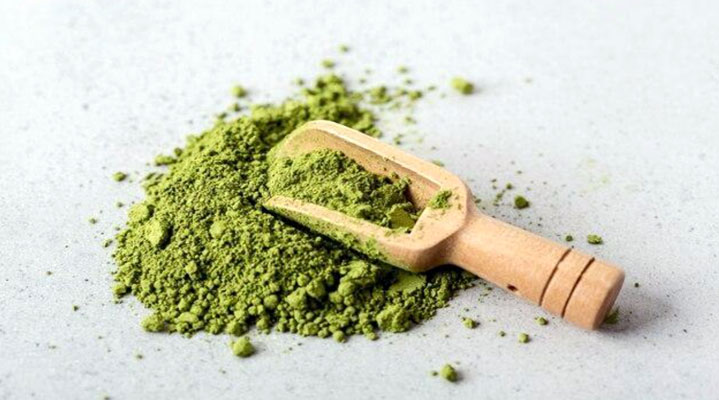
Kratom is often marketed as a natural product. That word can make it sound harmless. It is not that simple.
Derived from the leaves of Mitragyna speciosa, a tree native to Southeast Asia, kratom is sold in powders, capsules, extracts, and drinks. Some people use it for energy, pain relief, or to ease opioid withdrawal symptoms. Others take it recreationally. What gets lost in the marketing is that kratom acts on the brain in ways that can lead to dependence, withdrawal, and addiction in some users.
If you are wondering whether kratom is addictive, the short answer is yes, it can be. The risk is not the same for every person, and not everyone who uses kratom develops a substance use disorder. Still, the idea that kratom is automatically safe because it is plant-based does not hold up to what clinicians and public health agencies have been seeing.
How kratom affects the brain
Kratom contains active compounds, including mitragynine and 7-hydroxymitragynine, that interact with opioid receptors in the brain. According to the National Institute on Drug Abuse, these compounds can produce effects similar to both stimulants and opioids, depending on the dose.
At lower doses, some people report feeling more alert or sociable. At higher doses, kratom can cause sedation, pain relief, and euphoria. That mix is part of what makes it appealing. It is also part of what makes repeated use risky.

When a substance changes mood, energy, pain perception, or emotional state in a reliable way, the brain can start to rely on it. Over time, that can lead to tolerance, meaning a person needs more to get the same effect. It can also lead to physical dependence, where stopping suddenly causes withdrawal symptoms.
Yes, kratom can be addictive
Addiction is not just about using a substance often. It is about loss of control, cravings, continued use despite harm, and difficulty stopping, even when someone wants to. The Substance Abuse and Mental Health Services Administration describes substance use disorders as conditions that can range from mild to severe, depending on how much a person’s life is being affected.
Kratom can fit that pattern. Some people begin using it occasionally and end up taking it daily. What started as a way to manage pain, anxiety, low mood, or opioid withdrawal can turn into something they feel unable to function without.
Researchers are still studying kratom, and there is more to learn. But the current evidence and clinical experience point in the same direction: kratom has abuse potential, and dependence is real.
Signs that kratom use may be turning into a problem
Not everyone recognizes the shift right away. Kratom use can become normalized because it is sold openly online and in smoke shops. A person may tell themselves it is just a supplement or that it is safer than other drugs and miss the warning signs.

- Using more kratom than planned or taking stronger products over time
- Cravings or feeling preoccupied with the next dose
- Withdrawal symptoms when trying to cut back
- Needing kratom to feel normal, not just to feel good
- Continuing to use it despite problems at work, home, or in relationships
- Mixing kratom with other substances, especially alcohol, benzodiazepines, or opioids
The U.S. Food and Drug Administration has also raised concerns about contamination, misleading labeling, and serious adverse effects linked to some kratom products. That matters because a person may not even know exactly what they are taking or how potent it is.
What kratom withdrawal can look like
Withdrawal does not always look dramatic from the outside. Sometimes it looks like restlessness, irritability, poor sleep, sweating, and a growing sense that something feels off. In heavier or long-term use, symptoms can be more intense.
Reported kratom withdrawal symptoms include:
- Muscle aches
- Insomnia
- Nausea or stomach upset
- Anxiety
- Depressed mood
- Irritability
- Runny nose
- Tremors
According to the CDC, kratom has been involved in overdose deaths, often alongside other substances. That does not mean every use leads to a medical emergency. It does mean kratom should not be treated casually, especially when it is being used in high amounts or mixed with other drugs.
Why are some people more vulnerable
Kratom addiction risk is not only about the substance itself. It is also about what a person is carrying before they start using it. Someone dealing with chronic pain, trauma, anxiety, depression, or a history of opioid use may be more likely to lean on kratom in a way that becomes hard to stop.
This is where dual diagnosis matters. When substance use and mental health symptoms show up together, treating only one side rarely works for long. A person may stop using kratom briefly, then return to it because the anxiety, insomnia, trauma symptoms, or depression that drove the use in the first place never got addressed.
When professional treatment makes sense
If kratom use is causing withdrawal, cravings, secrecy, or a cycle of stopping and starting, it may be time for professional help. Treatment can be especially important when kratom use overlaps with other substances or with mental health conditions.
Programs that treat both addiction and underlying psychiatric issues tend to be better equipped for this kind of picture. Seasons in Malibu is one example. It is a dual-diagnosis treatment center in California that treats substance use alongside depression, anxiety, trauma, and other co-occurring conditions. That kind of setting can matter when kratom is not the only issue on the table.
The most useful question is often not “Is kratom natural?” but “What is it doing to your life?” If it has become something you need just to get through the day, if stopping brings on withdrawal, or if it is covering pain that keeps returning in a different form, that is worth taking seriously. People do recover from kratom dependence, and the process usually starts with naming the problem clearly.