
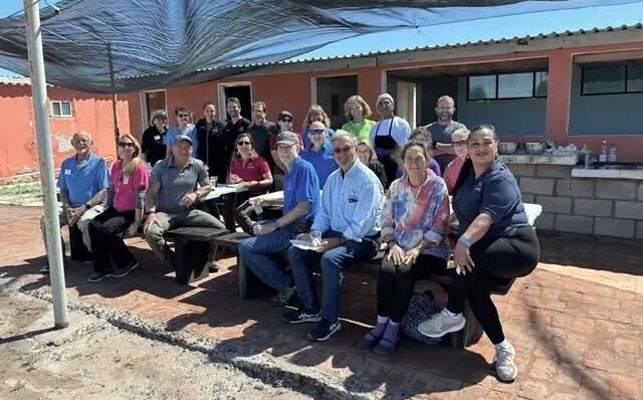
PHOENIX – Nearly every month, members of the Flying Samaritans’ Phoenix chapter fly down to Baja California Sur, where they offer volunteer medical services to the small fishing cannery community bordered by the Pacific Ocean and the Sea of Cortez.
At a small clinic in Puerto Adolfo López Mateos, they provide a wide range of services for hundreds of patients per visit, including primary care, gynecology, chiropractics, and dentistry. But costs are rising, and fewer volunteers can afford the $500 trips, said Bonnie Lassen, the chapter’s president.
In small, personal planes flown by volunteer pilots, volunteers travel to the peninsula, making stops at Mexican customs and small towns to refuel along the way.
The rural healthcare gap
Gail Brown, the group’s medical coordinator since 1996, said the organization helps to fill existing gaps in coverage by working with other local medical institutions and the country’s government. This area is particularly rural and poverty-stricken, she said, so chronic diseases like hypertension and diabetes are common.
“A lot of it is educating the patients on changes in diet, changes in lifestyle. But when you’re poor, and you only have access to certain things, it makes it much more difficult,” Brown said.

That’s the landscape in Puerto Adolfo López Mateos. The situation is similar across the rural United States, where communities largely lack programs that help people manage chronic illnesses.
In Mexico, diabetes was the second-most common cause of death in 2024, according to the National Institute of Statistics and Geography, the country’s census system. Baja California as a whole ranked among the top five states for overall mortality rates.
Volunteering’s expensive price tag and an aging roster
“The hotels in Mexico are getting more expensive. The cost of the visa is getting more expensive. When I started out, I think the visas for our stay there were well below $30; we’re now paying $72,” Lassen said.
“It’s a 10-hour trip over three days by flying. We burn about 110 gallons of fuel,” said Paul Rowley, a volunteer pilot for Flying Sams. “It’s roughly $800 or $900.”

The organization does “fuel-sharing,” meaning that everyone on the plane pays an even share of the gas to balance costs. However, fuel costs have been steadily increasing over the past few years, and especially in recent months.
This past year, fuel costs in North America have increased by roughly 82% to 92%. According to the U.S. Department of Transportation, the average cost per gallon of jet fuel for U.S. airlines rose 30.9% in March compared to February of this year.
The organization has a fund to help fill gaps for volunteer providers, Lassen said, but there is no guarantee for full coverage.
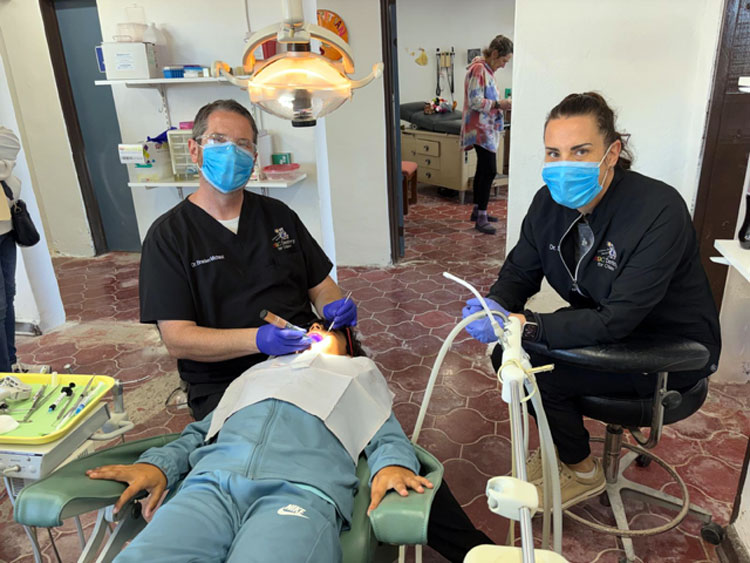
Volunteers often need specialized skills because the clinic is about an hour away from the nearest medical hub. For example, in Mexico’s universal healthcare system, dental services aren’t covered, so the group is always on the hunt for hygienists, Lassen said.
There’s also the issue of finding people who are able to give up an entire weekend – flying down on a Friday, working all day Saturday, and returning on Sunday, she noted.
Brown said a lot of the volunteers are aging out. Medical providers who donate their time are retiring, and others have died. But the group continues to offer the services they can and bring on new help wherever available.
Years ago, Lassen recruited Allan Markus, the founding program director of Creighton University’s East Valley campus. It took her years to get him on board, but since 2008, Markus has traveled to Baja California Sur about 30 times.
“It’s much more than volunteering. Volunteering means you’re going there and you’re giving up your time. In this case, you’re paying to volunteer,” he said.
For more stories from Cronkite News, visit cronkitenews.azpbs.org.