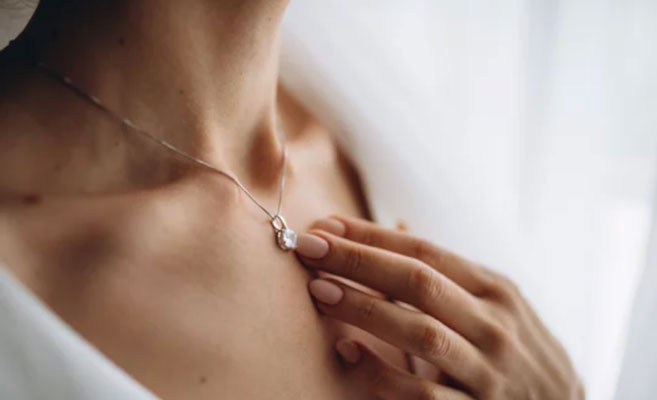
Jewelry is an important part of personal style – The metals people choose are influential to their appearance. Mixing metals sometimes creates interesting combinations, but using many different tones often results in a lack of harmony. Silver and rose gold each have specific visual qualities. If these are not balanced, the final appearance is often disorganized. People who understand how metals interact are able to create a look that is refined and unified.
Maintaining Visual Harmony In Styling
Visual harmony is a primary reason to avoid mixing too many metals. If many contrasting tones are together without a plan, it is difficult to find a focal point – this lack of structure makes jewelry appear less professional. Unified metal choices are beneficial because accessories support each other instead of competing. A smoother appearance is the result of this coordination.
Daily styling makes this effect especially visible when accessories are part of a full outfit. Metals that are consistent or balanced are helpful to the clothing. As an example, earrings, necklaces, or nose rings in a single tone create a clean aesthetic. Using too many different metals is often disruptive to this balance and reduces the quality of the look.
The Importance Of Personal Style Consistency
Consistency in metal choice is helpful for a defined personal style. It is difficult to identify a clear aesthetic when someone uses a mix of competing tones without a structure. A consistent approach is better for building a style that is intentional – this principle is true for all accessories, including daily pieces and body jewelry.
Styling decisions are easier when a metal palette is consistent. It is simple to select pieces that work together naturally – this method is effective at reducing uncertainty and increasing confidence during dressing. Consistency over time creates a collection of accessories that are connected, which makes a polished appearance easy to maintain.

Impact On Different Types Of Jewelry
Jewelry types react in various ways when metals are mixed – Thin chains or small earrings are often hard to see when they are next to heavy or dark metal tones – this imbalance is a reason why the overall look feels uneven. When metals are the same, each piece is able to contribute to the outfit.
Expressive accessories also show this effect – Rings, bracelets, and body jewelry are more noticeable when the metal choice is consistent. Mixing many finishes is a cause of visual distraction. Even nose rings are more effective with a focused metal selection, as they stay integrated with other accessories.
Creating Balance With Intentional Contrast
Controlled contrast is effective when there is a purpose. The difference is the use of limits. It is better to introduce one secondary tone in a careful way instead of combining many competing metals – this method creates interest without ruining the balance.
Intentional contrast is most successful when one metal is dominant. The secondary tone is there to support the primary metal – this approach is a way to be creative while keeping a structure. It ensures that accessories are connected even when two metals are present. The result is a balanced appearance that is thoughtful for different occasions.
Conclusion
Clarity and intention in personal style are the goals when avoiding too many competing metals. Appearance is more cohesive when jewelry choices are balanced – this does not mean creativity is limited, but rather that it is refined so each piece is part of a unified look.
Practical styling is also a result of a focused approach to metals. It is a way to lower uncertainty and build an aesthetic that works with different outfits. Metal harmony is useful for both subtle nose rings and body jewelry – this practice leads to a style that is polished and confident.