
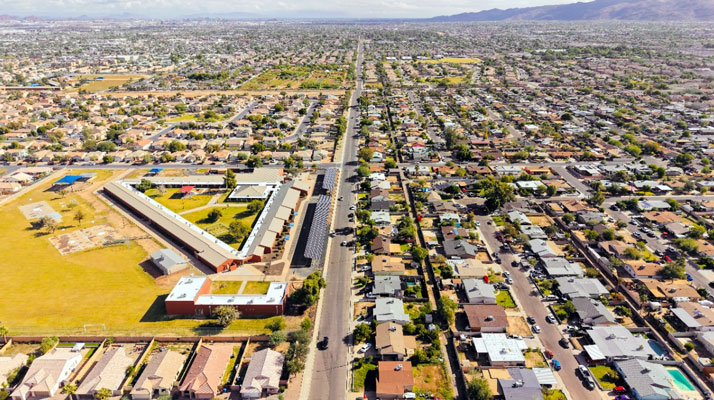
Distance and fuel costs play a central role in shaping how companies operate and grow. This article explores how these factors influence daily decisions, long-term planning, and overall economic activity in the region.
The Geography Factor and Its Business Impact
One of the defining features of rural Arizona is distance. Towns are often spread far apart, and major urban centers like Phoenix or Tucson can be hours away. For businesses, this geographic reality affects everything from supply chains to customer access. Transportation is not just a logistical detail; it is a core part of operations.
Fuel costs amplify this challenge. When business owners consider an oil prices forecast, they are not just thinking about abstract market trends. They are trying to anticipate real expenses that directly impact their bottom line. A rise in fuel prices can quickly increase the cost of delivering goods, sourcing materials, or even commuting to work sites.

This means that businesses in rural Arizona often need to be more strategic than their urban counterparts. They may consolidate shipments, adjust delivery schedules, or even limit service areas to manage costs effectively. Over time, these adjustments shape how businesses grow and compete.
Supply Chains and Operational Costs
In rural areas, supply chains are longer and more complex. Goods often travel significant distances before reaching their final destination. Whether it is a small retail store waiting for inventory or a construction company relying on materials, transportation is a constant factor.
Fuel costs directly influence these supply chains. When prices rise, suppliers may pass on the additional costs to businesses, which then face a difficult choice. They can absorb the cost, reduce their margins, or increase prices for customers. None of these options is ideal, especially in smaller communities where customers are often price-sensitive.
Some businesses respond by sourcing locally whenever possible. This reduces transportation costs and can also strengthen local economies. However, rural areas do not always have the same level of resource availability, so this approach has its limits.
Pricing Strategies in a High-Cost Environment
Distance and fuel costs also shape how businesses price their products and services. In rural Arizona, pricing is not just about competition. It is about survival. Businesses must carefully calculate how much of their cost structure is tied to transportation and fuel.
For example, a service provider that travels to clients, such as a repair technician or contractor, must factor in travel time and fuel expenses. This can lead to higher service fees compared to similar businesses in urban areas. While customers may understand the reasons, it can still affect demand.
Retail businesses face similar challenges. Higher transportation costs can lead to slightly higher prices on everyday goods. Over time, this can influence shopping habits, with some customers choosing to travel longer distances to larger towns in search of lower prices. Ironically, this creates even more fuel consumption and reinforces the cycle.
Workforce and Commuting Challenges
Employees in rural Arizona often travel long distances to reach their workplaces. This makes fuel costs a significant concern not just for employers, but also for workers. When fuel prices increase, commuting becomes more expensive, which can affect job satisfaction and retention.
Businesses may need to adapt by offering flexible schedules, remote work options where possible, or even fuel allowances. In some cases, companies may choose to hire locally to reduce commuting challenges, though this depends on the availability of skilled workers in the area.
These workforce dynamics can shape hiring decisions and influence how businesses structure their teams. Over time, they contribute to a distinct labor market that differs from urban environments.
Innovation and Adaptation
Despite these challenges, businesses in rural Arizona are not simply reacting to circumstances. Many are finding creative ways to adapt. Technology plays a growing role, helping companies optimize routes, manage inventory more efficiently, and reduce unnecessary travel.
Some businesses are also exploring alternative energy options. Electric vehicles, for example, are slowly becoming more viable, especially as charging infrastructure expands. While adoption is still limited in rural areas, it represents a potential way to reduce dependence on traditional fuel.
Collaboration is another key strategy. Businesses may share transportation resources or coordinate deliveries to cut costs. These partnerships can create efficiencies that would be difficult to achieve individually.
Long-Term Economic Implications
The combined effect of distance and fuel costs extends beyond individual businesses. It shapes the broader economic landscape of rural Arizona. Areas that are more accessible or closer to major highways may attract more investment, while more remote regions face additional hurdles.

At the same time, these challenges can foster resilience. Businesses that succeed in this environment often develop strong operational discipline and a deep understanding of cost management. This can make them more adaptable in the face of changing economic conditions.
Looking ahead, factors such as energy prices, infrastructure development, and technological advancements will continue to influence how businesses operate in rural Arizona. While distance is unlikely to change, the ways in which businesses manage it will continue to evolve.
In the end, distance and fuel costs are not just obstacles. They are defining elements of doing business in rural Arizona, shaping strategies, decisions, and opportunities in ways that are both challenging and uniquely rewarding.