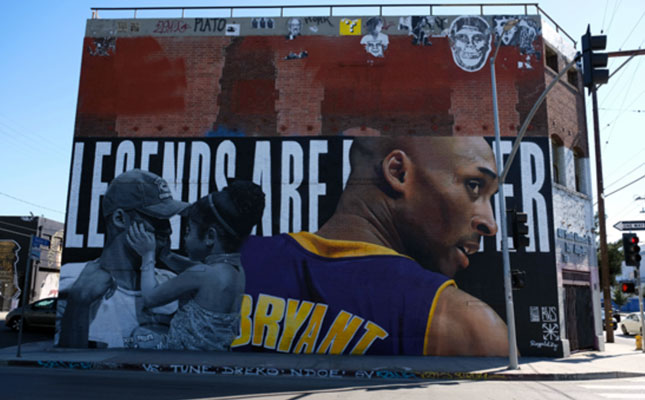
It’s been a few years now since Kobe Bryant passed, but the way people talk about him hasn’t really gone quiet—it just changed a bit.
It’s less about counting rings or replaying highlights, and more about the smaller things he left behind. One of those things, oddly enough, is still something people wear almost every day.
You still see it on courts, in gyms, even just walking around.
More Than Just a Signature Line
Back then, basketball shoes weren’t designed the way they are now.
Most models leaned toward high tops, heavier builds, and that “more support = better” mindset. It was the standard, and nobody really questioned it.
Kobe did.
When the Kobe 4 dropped, the idea of a low-top performance shoe felt off to a lot of players. Guards especially weren’t expected to trust something that light in actual games.
But Kobe wasn’t trying to follow what was already working—he was trying to change how the game felt on foot.
Less weight, more movement. Less restriction, more control.
That shift stuck longer than people expected.
Even now, a lot of players still gravitate toward that same setup. Not really because of nostalgia, but because it simply works. That’s why people still look into different Kobe signature shoes today—it’s not just about the name, it’s about how they actually perform.
What Changed After 2020
After 2020, things didn’t slow down—they actually got a bit harder to follow.
Pairs became more difficult to find. Some releases barely stayed available before disappearing, and certain colorways just never seemed to restock.
At first glance, it looked like a supply issue. And part of it was.
But something else shifted too.
The shoes started to carry a different kind of meaning. They weren’t just something you wore to play in anymore—they felt more personal. For some people, it became about connection. For others, it was about mindset, or just a reminder of how Kobe approached the game.
At the same time, the line didn’t freeze in place. Older models came back, newer versions showed up, and somehow it didn’t feel forced. It just kept moving forward, in a quieter way.
The Pricing Question
Prices are a different story.
Some pairs that used to sit at regular retail levels now show up with much higher resale tags. In some cases, way higher than people expected.
But it’s not only hype pushing that.
There are still players buying them because they trust how they feel on court. And there are others who see them as something worth keeping, not just wearing.
That mix—performance and meaning—makes pricing unpredictable. It’s not always rational, but it’s also not completely random.
Why People Still Wear Them
What’s interesting is that Kobe’s shoes didn’t turn into something people just collect and never use.
They’re still being worn.
You’ll see them in pickup games, in training sessions, and even outside of basketball. That doesn’t usually happen when something becomes tied to legacy—it usually gets taken off the court.
But here, it stayed.
Part of that is design. Part of it is habit. And part of it is probably something harder to explain.
Final Thoughts
Kobe’s influence was never just about stats or moments—it showed up in how he approached things, how he trained, how he paid attention to details most people ignored.
That same mindset ended up reflected in the shoes.
And years later, you can still see it—not in headlines, but in everyday choices. What people wear, how they move, what they expect from their gear.
That part didn’t fade. It just became quieter—and maybe more lasting.