

Between managing work deadlines, school drop-offs, and an endless list of household chores, dinner time for a busy mom can feel like a high-stakes race against the clock. When you’re rushing to get a healthy meal on the table before soccer practice or evening homework, it’s completely natural to take a few shortcuts.
However, when speed takes over the kitchen, critical food safety steps often slip through the cracks. According to the CDC, millions of foodborne illnesses occur in homes every year, mostly due to minor, avoidable mistakes during preparation and cooking.
The good news? Keeping your family safe doesn’t require extra hours in the kitchen or complex culinary techniques. Here are seven common food safety mistakes busy moms often make, along with effortless, time-saving solutions to keep your meals delicious, healthy, and stress-free.
Thawing Frozen Meat on the Kitchen Counter
You forgot to take the chicken out of the freezer last night, so you leave it on the counter at 8:00 AM before heading to work so it thaws in time for dinner. Bacteria multiply rapidly in the “Danger Zone”, temperatures between 40°F and 140°F (4°C to 60°C). The outer layer of your meat warms up to room temperature while the inside remains frozen, creating a breeding ground for harmful pathogens like Salmonella and E. coli.
How to Fix it:
Plan ahead by transferring frozen meat to the refrigerator 24 hours before cooking. Need a quick thaw? Submerge the leak-proof wrapped meat in a bowl of cold tap water, changing the water every 30 minutes, or use your microwave’s defrost setting right before cooking.

Washing Raw Chicken in the Sink
You want to rinse off any residual juices from raw poultry before seasoning it, assuming it makes the meat cleaner. Washing raw chicken under running water doesn’t remove bacteria; instead, it sprays micro-droplets of contaminated water up to three feet away, landing on your clean counters, dish racks, and ready-to-eat foods.
How to Fix it:
Skip the sink entirely. Unpack raw chicken directly onto your cutting board, pat it dry gently with paper towels to ensure a good sear, and throw the paper towels straight into the trash.
Relying on “Visual Cues” Instead of Internal Temperature
Cutting open a chicken breast or burger patty to see if it’s “no longer pink,” or poking a steak to check if the juices run clear. Color and texture are notoriously unreliable indicators of doneness. Chicken can turn white inside before it reaches a safe internal temperature, while ground beef can remain brown even if it hasn’t reached the temperature required to kill pathogens. The result? Either undercooked meat that risks food poisoning, or overcooked, rubbery dinners your kids refuse to eat.
How to Fix it:
Use a reliable wireless cooking thermometer. It is the only scientifically proven way to verify that meat is safe to eat.
Cross-Contaminating Cutting Boards and Utensils
Using the same cutting board to chop raw chicken breast, wiping it down quickly with a sponge, and then slicing salad tomatoes on it. Raw meat juices contain invisible bacteria that penetrate porous surfaces and cling to knives. Wiping a board with a damp kitchen towel simply spreads the bacteria around.

How to Fix it:
Use a color-coded board system: keep a dedicated plastic or composite board strictly for raw meats and seafood, and a separate wooden or plastic board for produce and ready-to-eat items.
Overcrowding the Pan or Baking Sheet
Dumping all the chicken cutlets into one skillet at once to finish dinner faster. Packing too much food into a pan traps moisture, causing the meat to steam rather than sear. This lowers the cooking temperature drastically, leading to unevenly cooked meat where some parts reach safe temperatures while others remain undercooked.
How to Fix it:
Cook in two quick batches, or use two baking sheets in the oven. Giving your food breathing room ensures even heat distribution and speeds up total cooking time.
Letting Leftovers Cool Completely on the Counter
Leave the dinner pot on the stove for hours after eating so it cools down completely before putting it in the fridge. Perishable food left at room temperature for more than two hours (or one hour if ambient temperatures are above 90°F) enters the bacterial danger zone rapidly.
How to Fix it:
Follow the two-hour rule. Divide large portions into shallow containers so they cool quickly, and store them directly in the refrigerator.
Guessing Cooking Times and Constantly Opening the Oven
Opening the oven door every 10 minutes to check on a roast, or staying glued to the stove to make sure meat doesn’t burn. Every time you open the oven door, heat escapes, dropping the internal temperature by 25°F to 50°F. This extends your overall cooking time, dries out the meat, and makes heat distribution unpredictable.
How to Fix It:
Let modern technology do the monitoring for you so you can step away from the kitchen and handle other household tasks.
How to Make Stress-Free Dinners
If you want to eliminate the guesswork of meat safety without standing over a hot stove, a smart wireless meat thermometer is the ultimate kitchen upgrade for busy parents.
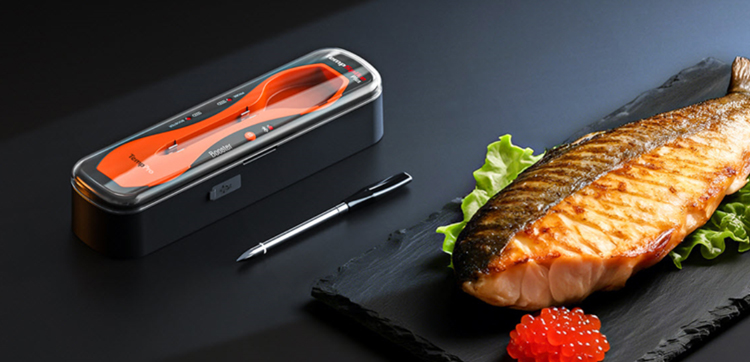
The TempPro TempSpike TP970 Wireless Meat Thermometer is engineered specifically to save time while guaranteeing perfectly cooked, safe meals every single time. ThermoPro has officially become TempPro. Although its name is changing, its products, quality standards, warranty, and commitment to customer service remain unchanged.
Why the TempPro TempSpike TP970 is Perfect for Busy Moms
l Multitask with Total Confidence: Thanks to its long-range Bluetooth connection, you can insert the stainless-steel probe into your roast or chicken breast, close the oven door, and walk away. You can help your kids with homework in the living room or fold laundry upstairs while tracking the real-time cooking progress on your smartphone.
l Truly Wireless for Easier Cooking: The TempSpike TP970 uses a wire-free probe, helping keep your cooking setup simple. This can be especially convenient when you’re cooking in an oven, on a grill, or using a smoker.
l Never Serve Dry or Undercooked Meat Again: The dual sensors measure both the internal temperature of the food (up to 212°F/100°C) and the ambient temperature inside your oven or grill (up to 572°F/300°C). The companion app alerts you the exact second your food reaches USDA-recommended safety thresholds.
l Hassle-Free Cleaning: Kitchen cleanups need to be fast. The TempPro TP970 probe features an IP67 waterproof rating, meaning you can rinse it under running water.
The TempPro TempSpike TP970 is a 100% truly wireless Bluetooth meat thermometer designed to monitor food while it cooks. It offers Bluetooth 5.2 connectivity with a monitoring range of up to 600 feet. It can be used for grilling, smoking, roasting, and oven cooking. By helping you monitor your food while you handle everything else on your to-do list, it can make it easier to serve meals that are not only safely cooked, but also juicy, flavorful, and enjoyable for the whole family
FAQs about Cooking Safety Mistakes
Q1. What is the safest internal temperature for cooked poultry and ground meat?
According to USDA food safety guidelines, ground meats (beef, pork, turkey) should reach an internal temperature of 160°F (71°C). All poultry (whole birds, breasts, thighs, and ground chicken) must reach 165°F (74°C) to ensure all bacteria are eliminated.
Q2. Can I leave a wireless thermometer probe in the meat while it cooks in an air fryer?
Yes. The TempPro TempSpike TP970 is 100% wire-free and built with heat-resistant materials designed to handle high ambient heat, making it perfectly safe for air fryers, ovens, smokers, and outdoor grills.
Q3. How do I properly sanitize my meat thermometer after use?
Wash the probe with warm, soapy water after every use, or place it in the dishwasher. Avoid using abrasive scrubbing pads that might damage the sensor housing, and ensure the probe is dry before placing it back into its charging dock.
Q4.Is it necessary to let meat rest after cooking?
Yes! Resting meat for 5 to 10 minutes after removing it from the heat source allows juices to redistribute throughout the cut, yielding tender and juicy results. Furthermore, internal temperatures continue to rise slightly during resting (known as carryover cooking), helping achieve final safety targets without overcooking.
Final Thoughts
Food safety doesn’t have to mean adding tedious steps to your dinner routine. By fixing simple habits, like thawing meat correctly and using a dedicated cutting board and relying on smart tools like the TempPro TempSpike TP970 Wireless Meat Thermometer, you can protect your family from foodborne illnesses while serving juicy, perfectly cooked meals in less time.