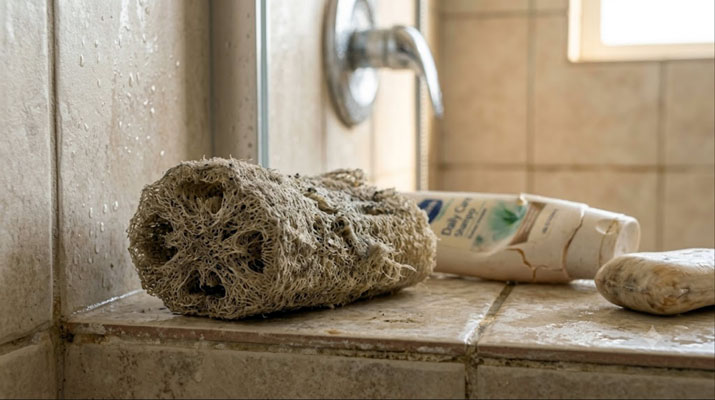
Most folks overlook how daily self-care gear impacts health. Yet brushes, razors, or facecloths touch skin constantly – sometimes too long. Even when cleaned carefully, they degrade slowly behind the scenes. Moisture hides in bristles. Tiny cracks form where eyes don’t see. Old sponges hold bacteria despite surface scrubbing. Their job gets harder after months of quiet use. Effectiveness fades before discomfort begins. Swapping them out on a loose schedule keeps routines reliable. Fresh items just work better without shouting about it. The body feels it, even if the mind doesn’t notice.
Product Wear And Daily Use
Over time, everyday handling takes a quiet toll on personal care tools. What started firm and clean might slowly lose its edge under constant routine. Tiny splits appear. Surfaces roughen without warning. Parts weaken almost unnoticed. Swapping out these tired pieces keeps things working right. Fresh ones lower the chance of hidden germs sticking around. Function stays sharp when old bits step aside.
Most items are built to wear out after some time. Because dampness, skin oils, and outside conditions slowly break things down, companies suggest swapping them out on schedule. Though they might look fine at first glance, older versions could fail to keep you clean or feel right against your body. A careful eye on how well something still works makes daily hygiene better over time.
Bacteria And Residue Buildup
Most people overlook how germs pile up on everyday self-care items. Even when cleaned often, older pieces resist full sanitization over time. Cracks too small to see hold onto dampness, plus leftover gunk lingers inside them. That hidden wetness feeds microbes instead of stopping them.

Most things we use on our bodies pick up dead skin, oil, or grime without us noticing. Even if wiped daily, traces stick around longer than expected. Because buildup happens slowly, swapping items now and then keeps gunk at bay. Comfort gets better when old leftovers aren’t part of the routine.
Maintaining Product Effectiveness
Over time, older items often fade in function, slowly losing what once worked well. When soft components harden, their comfort drops off sharply. Protective layers tend to chip or peel, leaving surfaces exposed. Movement inside devices slows down, sometimes sticking where it used to glide. Performance dips follow closely behind these shifts. What people counted on gradually slips away.
Take something like a skincare tool made for gliding over skin – once tiny scratches show up, it just does not work right anymore. When time passes, even trusted daily helpers start missing their mark, losing the ease they once offered. Out with the worn, in with the new – it keeps your habits running without hiccups.
Supporting Personal Comfort
Most people do not notice it right away, yet cleanliness ties directly to how something performs over time. When wellness tools age, small wear spots might lead to discomfort – especially if materials start breaking down. A slightly rough patch here or a softer spot there shifts the whole experience. That shift often means it is time to swap things out, simply because smooth function depends on a consistent feel.
Most items used for self-care follow this rule. Take an older lubricant, one left too long or kept somewhere damp – it just won’t feel right compared to a new bottle of lubricant. When you check how old something is or how it’s been kept, things tend to go smoother later on. A little awareness makes moments more comfortable, more sure.
Following Safety Recommendations
Most makers set how often things should be swapped out after checking how they’re built and tested. Because safety matters, these rules aim to keep usage clean and smart over time. When people skip changing them on schedule, performance might slip below what it was designed for.

Tossing out old gear matters just as much as anything else. Look at a condom – its date and wrapper need a quick once-over every single time. When directions match what you do, trouble stays further away, and cleanliness gets easier. Respect those rules closely? Health tends to follow without extra effort.
Building Better Hygiene Habits
Most people skip changing their wellness items until something feels off. Yet swapping them out early keeps things cleaner overall. A set schedule means less guesswork each time you reach for one. It just works better when done before problems show up. Things stay dependable without surprise failures later on. Regular updates make daily choices easier in the long run.
Most folks overlook how long their toiletries last until things go wrong. Yet noticing expiration dates helps spot when it is time to swap out old bottles. A quick check now then shapes smarter buys later down the line. When routines include replacing items on schedule, hygiene stays steady without effort piling up. Tiny habits done week after week add weight over the years, even if they seem light at first.
Most people think washing things is enough. Yet staying clean means knowing when to toss old items, too. Over time, gunk gathers even if you scrub weekly. That grime dulls performance, slows results, and leaves skin feeling off. Swap them out on schedule – this keeps routines sharp. A fresh item works better, feels smoother, and lasts longer under proper care. Watch how it looks, acts, and wears down week by week. Doing so shapes habits that stick without effort, piling up.