

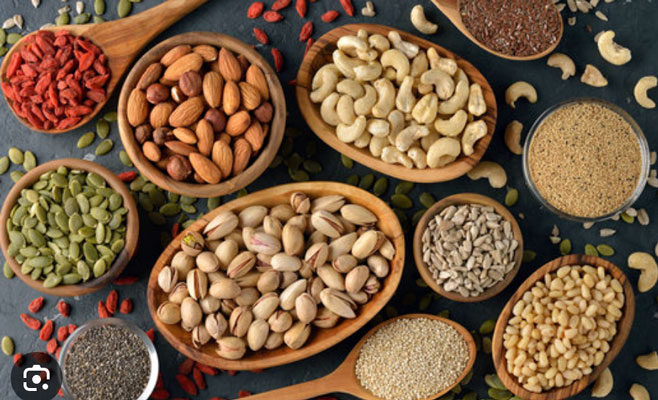
Selecting a wholesale supplier of nuts and seeds calls for more than a price comparison. Food manufacturers must examine safety systems, product specifications, storage conditions, delivery performance, and commercial terms. The right partner should fit production volumes while protecting quality and reducing avoidable waste. Buyers also need reliable records covering origin, processing, testing, and allergen control. A structured assessment gives purchasing teams stronger evidence before they approve a long-term ingredient source.
Define the Product Requirement
Before requesting quotations, procurement teams should describe the ingredient in practical terms. A wholesale nuts supplier may provide almonds, cashews, pistachios, pecans, sunflower seeds, pumpkin seeds, or mixed preparations. Each item can vary in grade, size, moisture content, treatment, and packaging. The specification should state whether the material is raw, roasted, salted, chopped, sliced, diced, or ground, as well as its intended food application and required shelf life.
Check Product Specifications
A written specification gives every candidate the same basis for quotation and approval. It should cover appearance, aroma, flavor, moisture, microbial limits, foreign material, defect tolerance, and size distribution. Terms such as “premium” often lack a consistent technical meaning. Clear measurements remove ambiguity. Buyers should also define acceptable variation between lots, because changes in color, texture, or piece size can affect processing and finished-product presentation.
Review Food Safety Controls
Food safety deserves close examination because nuts and seeds can carry allergenic and microbiological hazards. A prospective partner should provide current certifications, hazard analysis records, laboratory results, and recall procedures. Buyers should ask about Salmonella, aflatoxins, pesticide residues, metal fragments, and pest control. Testing documents should identify sampling frequency, laboratory qualifications, corrective action, and lot identification. These details show whether controls operate consistently beyond the sales conversation.
Examine Allergen Management
Allergen control must cover receiving, storage, processing, cleaning, and dispatch. Facility personnel should explain how lines are scheduled, equipment is cleaned, labels are checked, and employees are trained. Shared machinery may create cross-contact even without intentional inclusion. Declarations should address tree nuts, peanuts, sesame, and other regulated ingredients. Accurate records support compliant labels, protect sensitive consumers, and reduce the chance of an expensive product withdrawal.

Confirm Origin and Traceability
Origin records help buyers evaluate crop variation, harvest timing, and regional exposure. Documentation should identify the growing country, processor, packer, lot code, and shipping date. A traceability system should promptly connect finished cases to source records. Some manufacturers also need origin details for customer disclosures or sustainability statements. Clear documentation enables faster investigations when a quality complaint arises after delivery.
Compare Commercial Pricing
A low quotation may omit freight, customs charges, testing, storage, or specialized packaging. Buyers should request a delivered-cost calculation for every offer. The comparison should include unit price, minimum order quantity, payment terms, transport fees, insurance, and likely product loss. Market-based contracts can suit high-volume purchasers, while fixed rates simplify budgeting. The selected arrangement should reflect demand patterns, cash flow, and acceptable exposure to price movement.
Assess Packaging and Storage
Packaging shields nuts and seeds from moisture, oxygen, insects, crushing, and odor transfer. Options include lined sacks, sealed bags, cartons, and bulk containers. Each format affects handling, warehouse space, shelf life, and disposal requirements. The seller should state pack weights, pallet configuration, closure method, and recommended storage conditions. Temperature and humidity controls deserve extra attention during extended transit or warehouse holding.

Evaluate Logistics Performance
Consistent delivery relies on accurate forecasting and disciplined communication. Buyers should review order confirmation, shipment tracking, loading procedures, and records of late arrivals. Freight plans need to identify the transport mode, the delivery location, temperature requirements, and the responsibility for damaged goods. Early notice of delays gives production teams time to adjust schedules. Useful measures include on-time delivery, order accuracy, documentation quality, and complaint response time.
Review Service and Communication
Responsive service matters during shortages, specification changes, shipment delays, and quality disputes. Buyers should identify named contacts for sales, logistics, and technical matters. Useful communication includes complete quotations, current documents, dispatch updates, and written responses to complaints. Service can be assessed before any contract is signed. Slow replies or incomplete answers may indicate difficulties after purchasing begins.
Conclusion
Choosing a wholesale supplier of nuts and seeds requires evidence across safety, specifications, origin, pricing, capacity, packaging, logistics, and service. Buyers should compare documented performance rather than accept attractive claims or the lowest quotation. Samples, trial orders, and lot records provide practical confirmation. Clear requirements and measurable standards help purchasing teams secure dependable ingredients, protect consumers, control operating risk, and maintain consistent results throughout production.