

By Jon Johnson/Gila Herald
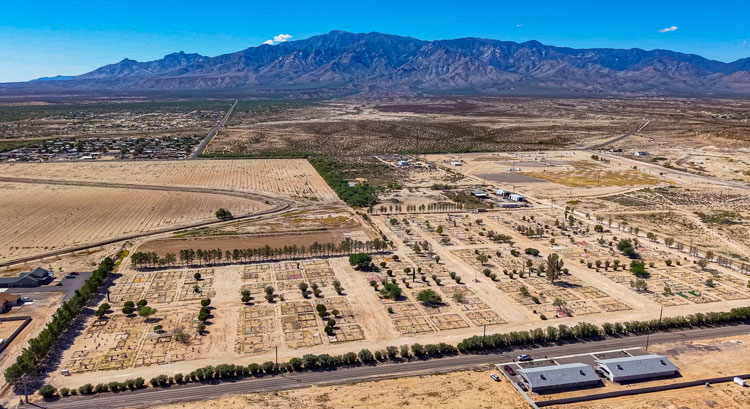
PIMA — Balancing respect for departed loved ones with the realities of budget constraints and labor shortages, the Pima Town Council tackled an ongoing dilemma at its Sept. 8 meeting: how best to maintain and manage the Pima Cemetery.
Town Manager Vernon Batty opened the discussion by noting that while the cemetery is “beautiful for a desert cemetery,” current rules and regulations printed on property deeds are outdated, largely unenforced, and at times contradict current practices.
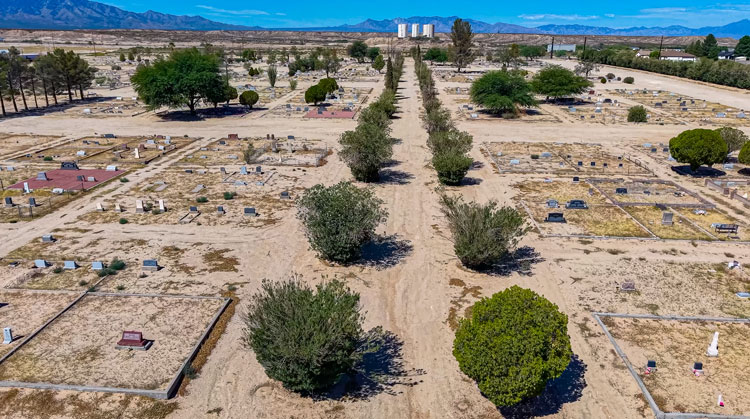
“Technically, they’re not supposed to be planting anything out there,” Batty said, noting that while deed guidelines prohibit planting vegetation or placing ornamental rock to prevent blow sand and rooted weed growth, the town still provides water hookups for citizens to use on their plots. “We have a lot of different rules and regulations here that we don’t currently enforce… I want it to be an ongoing discussion for councils to really decide and think about what we want for our cemetery, our existing and our new cemetery.”
A central hurdle facing the town is weed suppression and general upkeep. Historically, the town relied heavily on inmate labor programs to maintain the grounds.
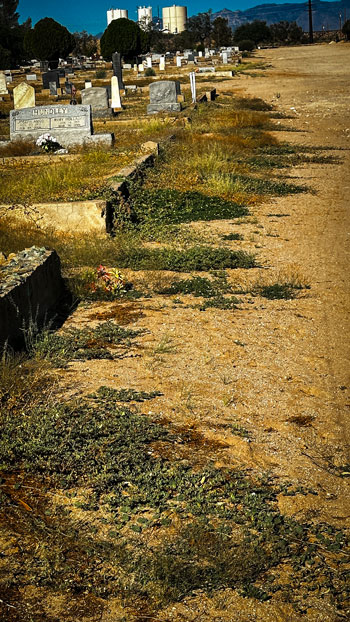
“Ten years ago, we had 20 inmates a day that we had to put somewhere, and it’s pretty easy to send them out to the cemetery and keep the weeds down,” Batty explained. “We no longer have 20 inmates a day. Some days we have none… five, seven, or zero; plenty of times it’s zero.”
To compensate over the summer, the town hired four youth workers who spent the season working at the cemetery. However, recent heavy monsoon rains triggered fresh weed growth just as the temporary crew returned to school.
Council members and staff discussed several potential pathways forward to tackle the maintenance backlog:
- Pre-Emergent Spraying: Contracting a company for chemical pre-emergent weed control. While consistent, Batty noted it is expensive.
- Part-Time Staffing: Advertising for part-time groundskeeping help. Batty referenced the neighboring community of Thatcher, where a local resident in his mid-70s began voluntarily cleaning their cemetery and was subsequently hired by the town to maintain it.
- Community Service & Volunteer Days: Coordinating youth service projects with local schools, youth groups, or church organizations. While volunteer efforts—such as a major church service project held at the cemetery last year—provide valuable help, town leaders noted they are difficult to rely on for consistent, year-round maintenance.
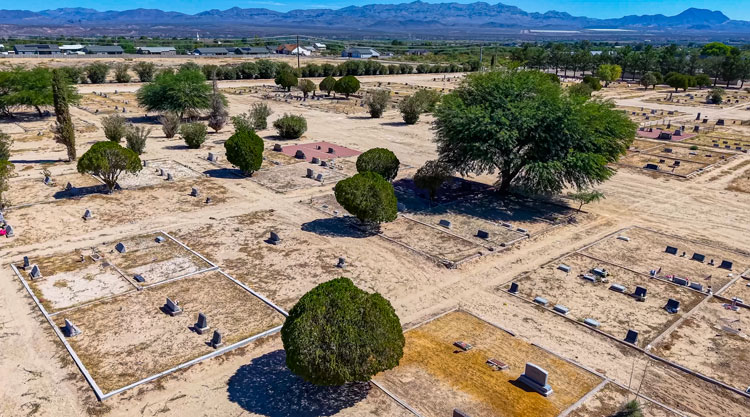
In addition to weed control, the council discussed updating the cemetery’s landscaping strategy. Salinity levels in the local water supply have made it difficult to keep certain trees alive, resulting in several dead pine trees on the west side that need removal. Public Works staff and park designers recommended transitioning toward hardier, native species—specifically desert willows—while strictly avoiding messy species like chinaberry trees.
The council also wrestled with how strictly to enforce rules regarding personal landscaping. In past years, overgrown private plantings have caused maintenance headaches, while unmaintained trees have occasionally fallen and damaged expensive headstones during severe storms.
Rather than sterilizing the entire property or imposing heavy restrictions right away, council members said they want to keep the cemetery accessible and inviting while encouraging families to take an active role in maintaining their relatives’ plots.
The Sept. 8 discussion served as a study session, with town staff set to gather cost comparisons between professional pre-emergent spraying and part-time hiring before bringing formal policy updates back for future council action.