

Americans reported losing more than $12.5 billion to fraud in 2024, a 25 percent increase over the previous year, according to the Federal Trade Commission. Online shopping ranked as the second most reported category, which points to an uncomfortable truth. A large share of the damage happens not through obvious phishing calls but through websites and apps that look perfectly ordinary right up until the money is gone.
A clean website is cheap to build. A polished logo, a padlock in the address bar, and a checkout page that accepts your card prove almost nothing about who is on the other end. Reading the signals that actually matter, before you enter a payment method, is one of the more valuable habits a modern consumer can develop.
Start with who is behind it
The first question is not whether a site looks real. It is who becomes legally responsible if something goes wrong. Legitimate operators tend to say so plainly, with a registered business name, a physical address, a support channel that is more than a contact form, and, where the sector requires it, a license number you can check against a public register.
That last point is what separates regulated industries from everything else. A licensed money transmitter, a registered broker, or a licensed gambling operator each answer to an authority you can verify on your own. When a service handles your money but stays vague about who oversees it, the vagueness is the answer.
Follow the money in both directions
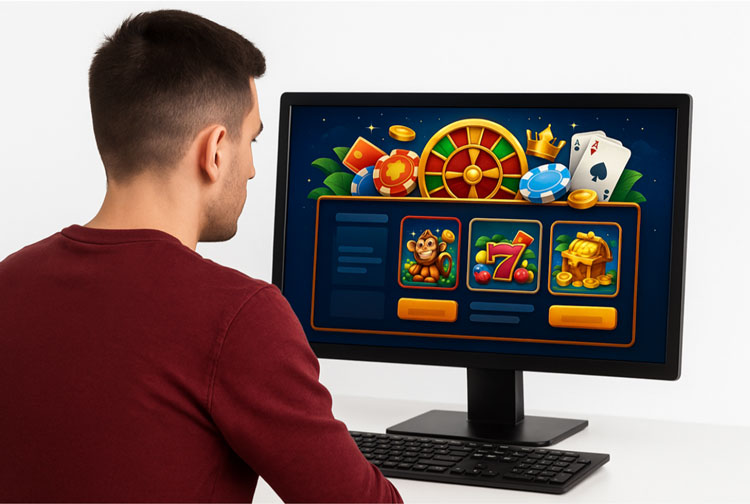
Depositing is always easy. The real test is getting your money back out. Gambling sites make a useful stress test here, because the category draws established brands and fly-by-night operations that look identical at a glance. Writing for New Game Network, iGaming reviewer Daniel Clarke breaks down how to choose New Hampshire online casinos by weighting licensing jurisdiction, withdrawal reliability, and the small print on bonuses well above flashy sign-up figures, since a state with no regulated online casinos leaves residents depending on offshore operators whose payout record is the only guarantee they have. The same discipline carries over to a marketplace, a digital wallet, or an overseas retailer: confirm how you get paid before you are impressed by what you are offered.

Payment method belongs in the same calculation. The FTC found that bank transfers and cryptocurrency together accounted for more reported fraud losses than every other payment method combined, mostly because both are difficult to claw back. Neither is unsafe by nature, but both deserve to be reserved for operators you have already checked out in full.
Read the terms, not just the pitch
Most online disputes trace back to a term the customer never read. Refund windows, restocking fees, wagering requirements, auto-renewal clauses, and arbitration language are where a business quietly defines what it owes you. Skimming is enough. Look for the parts that decide what happens when you want your money back or want to walk away. If those terms are missing, contradictory, or written to confuse, treat that as a finding rather than a nuisance.
Recognize the pressure play
Fraud runs on hurry. Scammers manufacture urgency because a rushed person skips every check above. Graham County residents saw a textbook version of this last year, when text messages posing as the Arizona Department of Transportation threatened suspended registrations and credit damage unless recipients paid at once, a scheme the Gila Herald identified as a phishing attempt. The same tactic powers fake storefronts with countdown timers, investment offers that close tonight, and prize notices that require a fee to collect. A real business is comfortable with you taking your time. Anyone who is not has told you why they want you moving fast.
The habit worth building
None of this calls for special expertise. It calls for slowing down long enough to ask four questions before you pay: who is responsible, how does the money come back out, what do the terms actually say, and why the rush. Run that check on a betting site, an electronics deal shipping from overseas, or a wallet app promising effortless returns, and the weak operators tend to expose themselves before they ever reach your card. In a year when reported losses climbed past $12 billion, that short pause is the cheapest insurance a consumer can buy.