
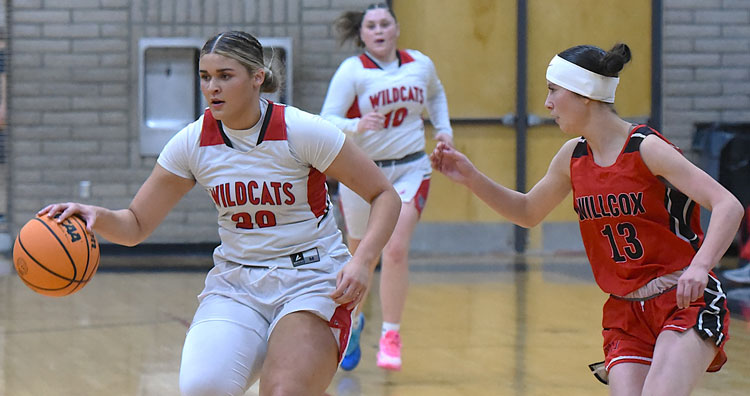
You know the scene. A Saturday morning in Graham County, coffee in hand, and a sideline full of adults screaming at a referee who is, at worst, volunteering his Saturday and getting paid in a stale donut. That’s not team spirit. That’s a grown adult having a tantrum in public. Real team spirit is quieter, weirder, and honestly, a lot more fun to watch.
This guide is about spotting the difference between genuine support and performative noise, and it’s about making sure you land on the right side of that line. Nobody wants to be the parent other parents gossip about in the parking lot. So let’s talk about what real team spirit actually looks like, how to practice it, and when to simply zip it and enjoy the game.
What Real Team Spirit Actually Looks Like (and It’s Not What You Think)
Real team spirit isn’t about volume. It’s about attention. The most supportive parents I’ve watched at youth games are the ones who are locked in on the kids’ effort, not the scoreboard. They clap when a kid hustles back on defense after a turnover. They yell encouragement to the player who just missed a shot, not instruction on how to fix their form. There’s a study-backed reason this matters beyond just politeness.
According to research compiled by youth.gov, character education programs in sports emphasize that positive reinforcement from adults directly correlates with a child’s enjoyment and continued participation. When you praise effort over outcome, you’re teaching a kid that their worth isn’t tied to a win. That’s a lesson that sticks long after the season ends. The tricky part is that praise and pressure sound similar when you shout them. “Good hustle” and “Why didn’t you box out?” come out at the same decibel level. The difference is entirely in the message. Real team spirit elevates the kid. Fake team spirit elevates the adult’s ego.
Why Your Kid’s Coach Isn’t the Enemy
Here’s a confession: I’ve been the parent who thought I could see the game better than the coach. I sat in the stands and cringed at a lineup decision, convinced my kid was being benched unfairly. Then I volunteered to coach one season, and I ate every single one of those words.

Coaching youth sports is a circus act. You’re managing playing time for kids who don’t want to be there, calming down a star player who just got fouled, and trying to remember that one drill you saw on YouTube at 6 AM. Your kid’s coach is doing all of this for a stipend that works out to about two dollars an hour. The American Academy of Pediatrics has weighed in on this dynamic. Their sports medicine resources note that youth participation in organized sports offers significant benefits, including better teamwork and self-esteem, but those benefits rely on a supportive environment.
When parents undermine the coach, that environment fractures. The coach starts coaching scared, the kids sense the tension, and suddenly the game is about adult drama instead of kid development. If you have a legitimate concern about your child’s safety or well-being, have that conversation privately, away from the bleachers. But if your gripe is about a strategic decision in a league where half the kids still can’t tie their cleats properly, let it go. Seriously. Let it go.
The Fine Line Between Encouragement and Instruction
This is the spot where most well-meaning parents trip up. You’re watching your kid dribble down the field, and you see an open teammate. “Pass the ball!” you scream. Your kid doesn’t pass. The moment passes. And you’ve just added one more voice to the dozen other parents all yelling different instructions. Here’s the thing your kid is hearing: a wall of noise.
They can’t pick your voice out of the chaos. So your amateur coaching is doing nothing except adding to their stress load. Real team spirit from the sidelines sounds different. It’s general. It’s positive. It’s about identity, not tactics. You’re not telling them what to do; you’re reminding them who they are.
Phrases like “Keep battling” or “We’re proud of you” or just a simple “Let’s go, !” create a supportive atmosphere without loading a decision onto an 8-year-old who is already trying to process four different things at once. Save the tactical analysis for the car ride home. And honestly? Even then, probably keep it to yourself unless they ask.

A Simple Sideline Code You Can Actually Use
If you want a practical framework instead of vague advice, here’s a simple four-part check I run through every time I sit down on those bleachers. – Cheer effort, not results. Praise the attempt, the hustle, the sportsmanship. Anyone can cheer a goal. It takes a real fan to cheer a good defensive stop that doesn’t show up on the score sheet. – Keep instructions to yourself.
You had your chance to coach in the driveway. On game day, your job is to be an audience, not an assistant coach. Your kid already has one coach. They don’t need fifteen more. – Respect the officials, publicly. Even if a call is bad. Especially if a call is bad. Your kid is watching how you handle perceived injustice. Model grace, not outrage. – Compliment another kid. It sounds small, but singling out a teammate for a great play when it isn’t your kid sends a powerful message about what you value.
It says you care about the team, not just your own bloodline’s stat line. I’ll be honest with you: this code is hard to follow. I’ve violated it. You will too. The goal isn’t perfection. The goal is noticing when you’re slipping and resetting before the game gets away from you. The moment you hear yourself starting to argue with a parent from the other team, or you feel your blood pressure spike over a bad call in a game that literally no one will remember in three years, that’s your cue. Just stand up, get a water, take a breath. The game will still be there.
What Real Team Spirit Does for Your Kid Long After the Season Ends
The games themselves are temporary. Your kid won’t remember the final score of that Tuesday night game in April. They will remember how they felt on the field. They’ll remember whether the stands felt like a safe place or a pressure cooker. That feeling carries weight beyond sports. Kids who experience supportive, pressure-free sports environments learn that trying hard is worthwhile even when you lose.
They learn that adults can be trusted to have their back. They learn that being part of a team means celebrating others, not just yourself. These are not athletic lessons. They’re life lessons that happen to be taught on a field. And here’s a reality check about your own role: youth sports is often the last time you get this kind of shared, structured time with your kid. Once they hit high school, they’re driving themselves to practice.
Once they hit college, they’re gone. So you can spend these weekends miserable, nitpicking every mistake, or you can spend them present, enjoying the strange, chaotic, beautiful spectacle of a bunch of kids figuring out how to work together.
When Walk Away Is the Best Play
There’s a final element to team spirit that nobody talks about, and it’s the most important one. Sometimes the best thing you can do for your kid’s team is to simply not be there for a game. Not every game. But if you are the parent who can’t control their emotions, who has been asked to tone it down, who feels that rage building every single week, take a week off. Sit in the car. Go for a walk around the park.

Talk to the other parents who made the same choice for the same reason. The team will survive without your voice. Your kid might even play better without the tension of knowing you’re watching their every move.
And you’ll get a chance to reset your own relationship with the sport. Because if your presence at a kids’ game is consistently making you angry, something has gone wrong. That’s not about the game. That’s about you, and it’s worth examining. The bleachers are a mirror, and sometimes they show us parts of ourselves we’d rather not see.
Keeping Game Day About the Kids
Next Saturday, when you settle into your seat and the game kicks off, take a moment to scan the sidelines. You’ll see a few parents already working themselves into a frenzy. You’ll see a coach trying to manage the chaos. And you’ll see your kid, looking up at the stands for a split second, just to find your face.
What do you want them to see when they look at you? A furious adult shouting about a bad call? Or someone who is just glad to be there, watching them play? You already know the answer. So choose the version of yourself that your kid will want to find in the crowd. And if you’re looking for extra guidance on creating healthier routines for the whole family, check out lionheartbehavioralhealth.com for resources that support stronger families and better communication. The whistle blows in a minute. Your kid is going to make a mistake. That’s guaranteed. The only question is what you do next. Cheer them up, not out. That’s the whole secret, and it’s simpler than we make it.