

The Gila River corridor rewards anyone willing to slow down and pay attention. Cottonwood galleries, quiet gravel bars, and the low hum of birdsong make this one of the most accessible wild stretches near the Gila Valley. A weekend on foot here does not require technical skill, but it does reward planning. The difference between a memorable trip and a rough one usually comes down to preparation done before you leave the trailhead.
Good planning is really about managing risk sensibly, the same instinct many adults apply to how they spend leisure time and money. Canadians researching evening downtime sometimes lean on resources listing trusted online gambling sites in Canada the way a careful hiker checks the forecast before committing to a route.
Reading the Corridor Before You Commit to a Route
The corridor changes character quickly, sometimes within a single kilometer. A stretch that looks like an easy walk on a map can turn into loose cobble or a flooded crossing after monsoon rain.
Mapping Your Distance and Elevation Honestly
A comfortable weekend pace for most casual hikers lands between eight and 12 kilometers per day, less if you plan to linger with binoculars. Sketch the route in advance and mark bailout points where you can turn back without doubling your effort. Rivers can drain a hike faster than mountains, since soft sand and repeated crossings tax the legs in ways a smooth trail never does.

Checking Water Levels and Seasonal Flow
Flow matters more than almost any other single factor along a river corridor. A calf-deep crossing in April can become a genuine hazard after summer storms, so consult current stream data and plan crossings for the safest, shallowest points.
The U.S. Geological Survey publishes real-time streamflow readings you can review through its National Water Information System, which helps you judge whether a fording point is reasonable that weekend.
Packing for Heat, Cold, and Everything in Between
Desert river country swings hard between midday heat and cool overnight lows. A weekend pack has to cover both without becoming a burden you resent by the second afternoon. Weight discipline early keeps your energy for the parts of the walk that actually matter.
Here is a compact list to build your kit around before you head out for two days along the water.
- At least four liters of water capacity per person, plus a filter or purification tablets for refills.
- Layers you can shed and add quickly, including a wind shell and a warm midlayer for the evening.
- Sturdy footwear that handles wet crossings, with a spare pair of socks sealed in a dry bag.
- Sun protection, a wide-brim hat, and a small first-aid kit sized for two days.
- A paper map and compass as backup, since river canyons swallow phone signal without warning.
The takeaway is simple. Pack for the coldest night and the hottest afternoon you might reasonably meet, then trim anything that does not earn its place.
Timing the Wildlife Windows Along the Water
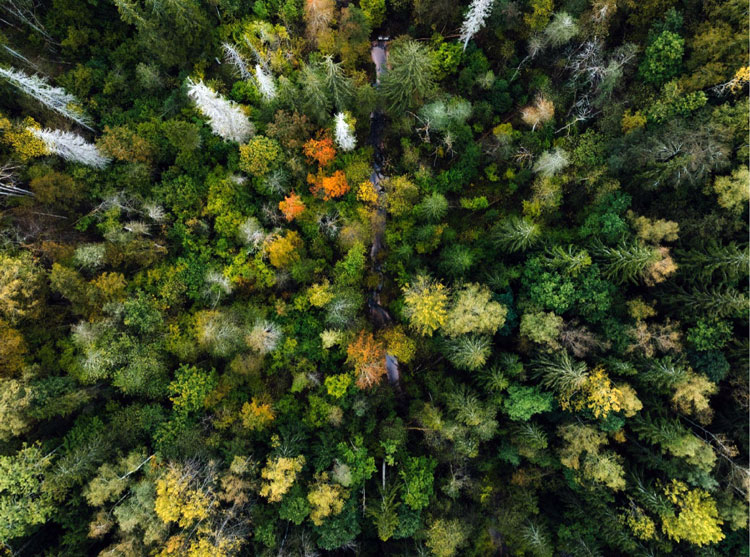
The corridor is a magnet for wildlife, and timing your walk around dawn and dusk changes what you see entirely. Riparian zones like this one draw an unusual density of birds and mammals precisely because water is scarce in the surrounding country. Move quietly, keep a respectful distance, and let the animals set the terms.
Early morning is prime time for songbirds and raptors working the cottonwoods. Vermilion flycatchers, herons, and the occasional grey hawk reward patient watchers who stay still near a good perch.
Building in Safety Margins and a Turnaround Plan
Weekend trips fail most often because the plan had no slack in it. Leave a written itinerary with someone at home, note your intended camp and exit times, and agree on when they should raise an alarm if you do not check in. This one habit does more for your safety than any single piece of gear.
Set a firm turnaround time for each day rather than a turnaround distance. A time limit accounts for slow crossings, unexpected wildlife stops, and the simple fact that the walk back always feels longer. If storms threaten, treat rising water as the deciding voice, not your schedule, because a corridor that welcomed you at dawn can close a crossing by afternoon.
Turning a Good Plan Into an Easy Weekend
The best Gila corridor trips look almost lazy from the outside because the hard thinking happened at the kitchen table days earlier. You already know your bailout points, your water sources, your night-time layers, and the moment you will turn around. That preparation is what lets you actually notice the heron lifting off the far bank instead of worrying about the map.
Treat this first weekend as a template you can refine. Note what you carried and never used, where the crossings surprised you, and which hours delivered the best light and wildlife. Do that once, and every future trip along the river gets simpler and safer.