

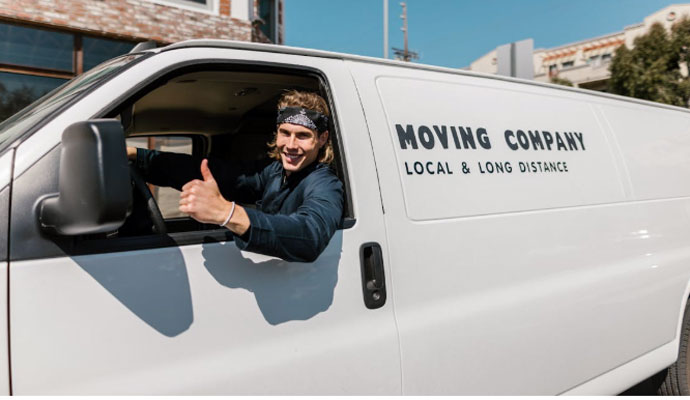
For families leaving a familiar community, the physical work of moving is only one part of the transition. Boxes get packed, and a truck gets loaded, but that’s the easy part to plan for.
It happens here too. Some Gila Valley families leave for a job in Phoenix or out of state entirely. Others move closer to grandkids, or retire somewhere with a different climate and cost of living. College students head out and don’t come back to stay. And plenty of people go the other direction, arriving in Graham or Greenlee County looking for a smaller town after years somewhere bigger. Whatever the direction, the pattern is the same: a household relocates, and a lot more than the address ends up changing.
Why People Relocate
Work, housing, family, and lifestyle considerations are among the reasons people decide to move. A new job might require it. Family circumstances can make a move necessary. Sometimes a household is chasing a lower cost of living, or more space, or just a different kind of town to raise kids in.
Millions of Americans cross state lines each year for these reasons, according to the U.S. Census Bureau, which tracks state-to-state migration flows annually. The scale varies from year to year, but the underlying reasons tend to stay familiar: a job, a housing decision, or a change in family circumstances.

It’s Not Just Boxes and a Truck
What often gets underestimated is how much of daily life is tied to a specific place. Routines are built around a specific town, not just a house. The grocery store you know the layout of. The mechanic who’s worked on your car for years. A kid’s school, their team, the friend down the street they’ve known since kindergarten.
None of that packs into a box. A move means rebuilding it, piece by piece, in a place where none of it exists yet: new schools with a different calendar, a city council you’ve never followed, a library card you have to go apply for in person.
Moving Is Often Harder Than the Checklist Suggests
Moving can be a real source of stress, particularly when it means leaving behind familiar routines, relationships, and support systems. Research summarized by the American Psychological Association has examined how residential mobility can affect well-being and social relationships, particularly when moves are frequent or disrupt established support networks.
That doesn’t mean every move is traumatic. It does mean it’s reasonable to feel unsettled for a while after landing somewhere new, even when the move itself was the right call. Getting involved in something small and recurring, a rec league, a church group, a regular volunteer shift, tends to speed up the process of a new town starting to feel like home.

The Logistics of Crossing State Lines
Somewhere in the middle of all that adjusting, there’s still a truck to book and a schedule to manage. Long-distance moves carry a different set of logistics than a move across town. Long-distance moving costs can depend on factors such as distance, shipment size or weight, services requested, and timing. Timing has to line up with a closing date or a lease start that isn’t always flexible. And for an interstate move, the mover should have the appropriate federal authority and insurance to operate across state lines.
That’s usually when people start comparing long-distance moving options and looking for a company with actual interstate experience rather than one that mostly handles moves across town. A few things are worth asking about before booking anyone: whether they hold the right interstate credentials, whether they offer packing and unpacking if you don’t want to handle it all yourself, and whether they have storage available in case your old place closes before the new one is ready. Those details matter more on a long-distance move than a local one, since there’s less room to improvise if something falls through.
Settling In, For Real
The truck eventually gets unloaded, and the boxes get broken down. Then the slower part starts.
Getting to know a new community takes longer than a weekend. It means showing up to the same farmers market more than once, introducing yourself at a school event even when it feels awkward, asking a neighbor a question instead of just looking it up. Small towns tend to notice that kind of effort, and repeated participation can make a new community feel familiar much faster.
The address changes fast. Everything else- who you know, where you shop, which grocery clerk starts recognizing your face- takes longer. But that’s usually the part that ends up mattering most once the boxes are gone.